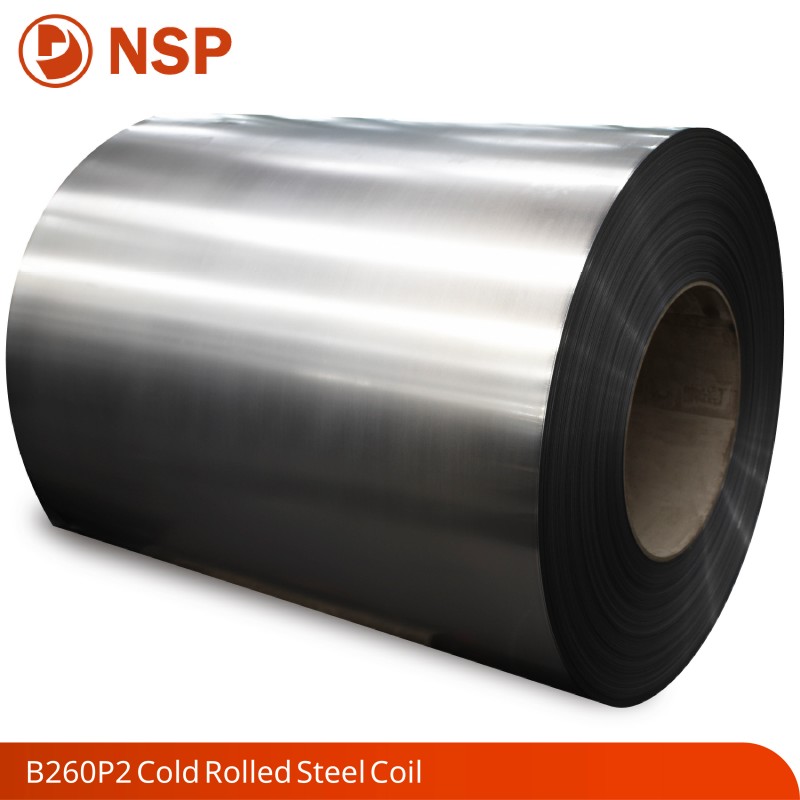
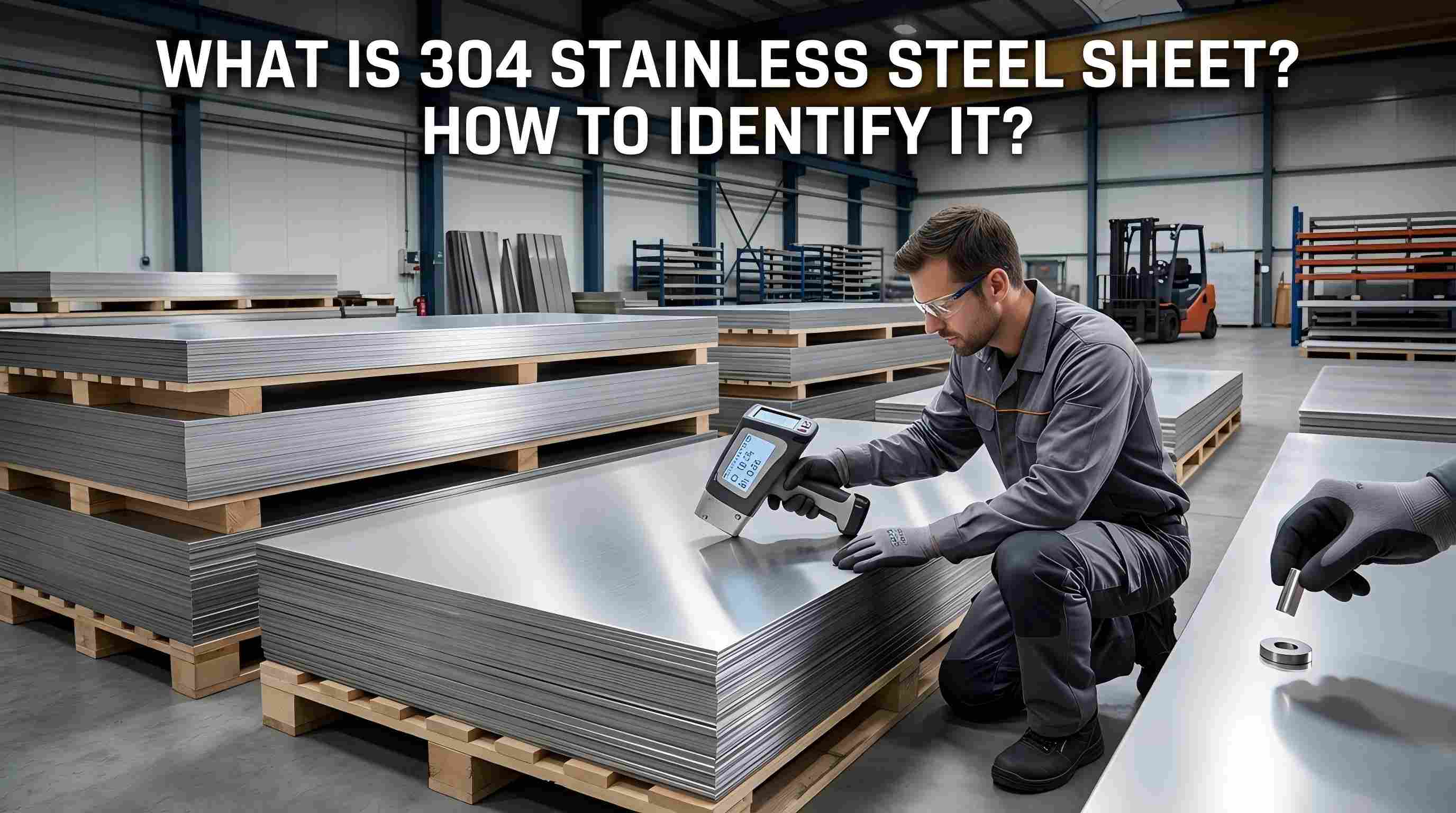
With outstanding anti-corrosion performance, galvanized steel sheets are widely applied in construction engineering, automotive parts, electrical enclosures, outdoor hardware, steel wire products and other fields. During procurement and processing, most people only focus on galvanized coating thickness and surface quality, yet overlook the significance of hardness standards for galvanized steel sheets. The hardness of steel sheets directly affects bending, stamping forming performance and structural bearing capacity. Improper material selection may lead to cracking, deformation, insufficient wear resistance and other defects. This article briefly elaborates on hardness classification, testing standards, influencing factors and material selection tips for galvanized steel.
I. Judging Principles and Classification Standards for Galvanized Steel Hardness
Hardness testing of galvanized steel is conducted on the carbon steel substrate rather than the surface zinc coating. The zinc coating is soft in texture; testing only the surface layer will result in distorted data. Formal testing requires penetrating the galvanized coating to measure the substrate hardness. Based on substrate tensile strength and Vickers hardness of zinc coating, the industry categorizes galvanized steel into three grades:
General Hardness: Substrate hardness approximately 560 MPa, zinc coating hardness 70–100 HV, balanced strength and toughness, suitable for conventional forming processing.
High Hardness: Substrate hardness over 600 MPa, zinc coating hardness 100–120 HV, markedly improved wear resistance and structural strength.
Ultra-high Hardness: Substrate hardness over 1000 MPa, zinc coating hardness 120–150 HV, applicable to severe working conditions requiring high strength and superior wear resistance.
General hardness references for sheet galvanized steel: Deep drawing sheets DX51D, DX52D, DX53D/DX54D feature HRB hardness ranging from 42 to 65, fit for bending and complex stamping; structural grade sheets S220GD, S250GD, S350GD possess higher hardness and are mostly used for load-bearing structures.
II. Mainstream Hardness Testing Standards and Methods
Common international industrial standards include European EN 10326, American ASTM A653 and Japanese JIS G3302. Hardness tolerances vary slightly among different standards, and the applicable standard shall be specified during procurement and quality inspection. Three widely adopted testing methods are listed below:
HRB Rockwell Hardness: The primary factory testing method for thin galvanized coils, highly versatile for quality inspection of construction and home appliance sheets.
HV Vickers Hardness: High testing precision, suitable for ultra-thin substrates, zinc coatings and alloy layer inspection, commonly adopted for technical re-inspection and resolution of quality disputes.
HB Brinell Hardness: Only applicable to thick-walled galvanized profiles and heavy steel structures, not for thin-walled sheets.
III. Core Factors Affecting Galvanized Steel Hardness
The hardness of galvanized steel is not a fixed parameter, mainly restricted by three key factors:
Raw Material Composition: The proportion of trace elements including carbon, silicon, chromium and vanadium in steel determines the substrate tensile strength and base hardness, serving as the root cause of hardness discrepancies.
Substrate Specification: The diameter of galvanized steel wires impacts overall strength. Appropriately increasing the diameter under standard processes can enhance strength, while toughness must be balanced to avoid brittle fracture of steel.
Processing Technology: Annealing treatment, heat treatment temperature and holding duration alter the metallographic structure of steel, directly influencing finished product hardness and ductility.
IV. Scenario-Based Material Selection Recommendations
Galvanized steel of general hardness delivers favorable toughness and low cracking risk, ideal for electrical enclosures, ventilation ducts, automotive interior panels, ordinary hardware and other conventional formed products. High-hardness and ultra-high-hardness galvanized steel boasts anti-deformation and wear-resistant properties, suited for equipment supports, road guardrails, agricultural machinery, load-bearing steel wire products and other heavy-duty scenarios.
Note that high-hardness sheets are strictly prohibited for complex deep drawing and precise bending processes, as they are prone to edge cracking, zinc coating peeling and finished product rejection.
V. Precautions for Hardness Testing
Clean zinc spangles and oxidation impurities on the surface of sheets and steel wires prior to testing to guarantee accurate data;
Testing shall focus on substrate hardness instead of solely relying on zinc coating data;
Hot-dip galvanized and electro-galvanized substrates comply with identical hardness standards; only surface characteristics differ, which will not affect hardness grade classification.
Conclusion
The hardness of galvanized steel is jointly determined by substrate material, specification parameters and processing technology, and different hardness grades adapt to differentiated working conditions. Mastering standardized hardness parameters and testing specifications helps enterprises select materials accurately, reduce processing reject rates and avoid quality disputes. In practical applications, materials shall be selected combining forming processes and load-bearing requirements to balance processing performance and structural stability of finished products.
We use cookies to offer you a better browsing experience, analyze site traffic and personalize content. By using this site, you agree to our use of cookies.Privacy Policy