News

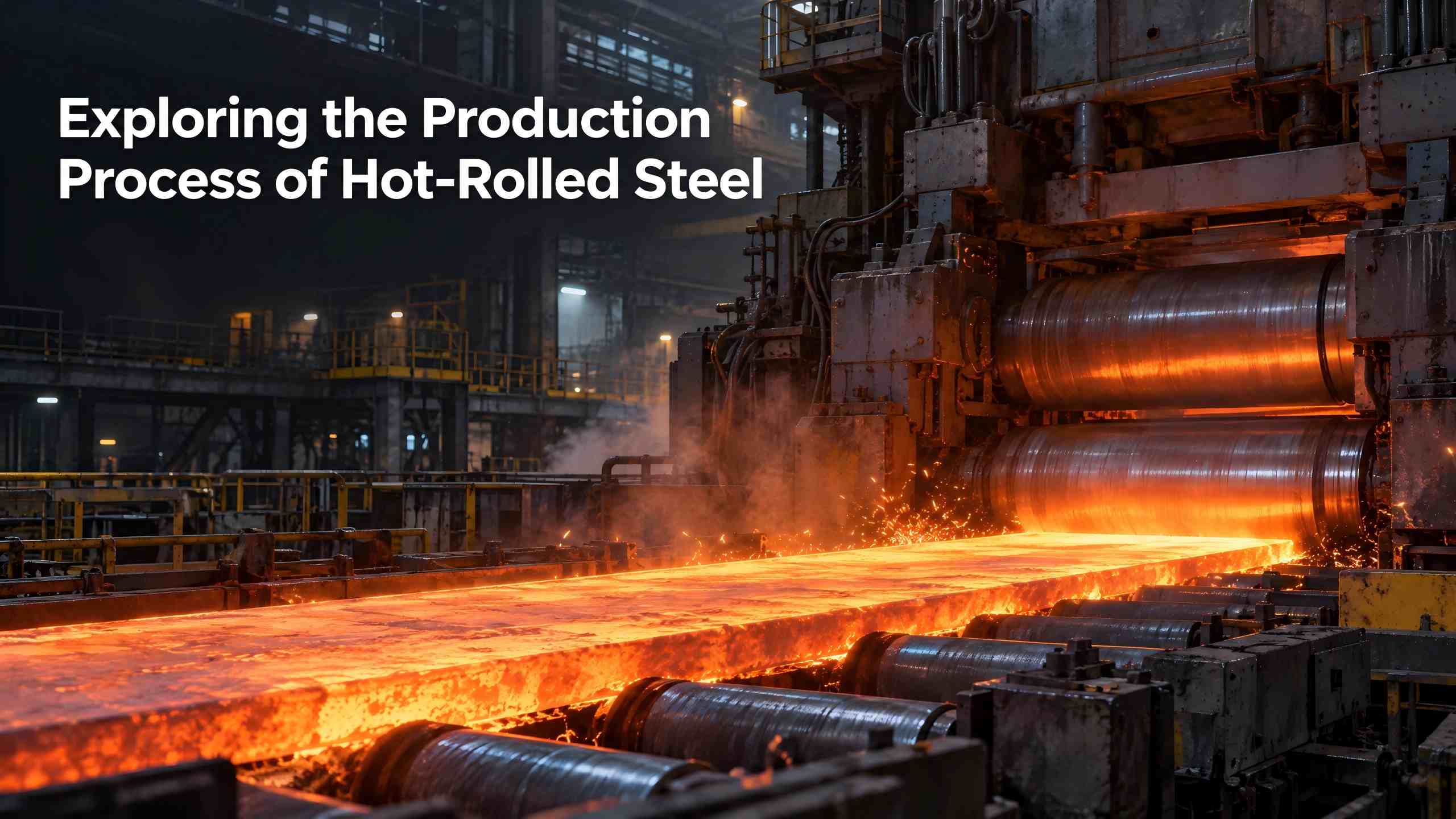
Exploring the Production Process of Hot‑Rolled Steel

2026-09-28 0 Leave me a message

As a professional steel supplier, Nature Steel recognizes that hot‑rolled steel (HRC) stands as the most fundamental and widely used steel grade in the construction, machinery and heavy‑industry sectors. It also serves as the core substrate for deep‑processed products such as cold‑rolled steel, galvanized steel and pre‑painted steel. Manufactured via high‑temperature rolling, hot‑rolled steel features high load‑bearing capacity, good ductility, easy workability and cost‑effectiveness, fully meeting the demands of large‑scale infrastructure and industrial manufacturing scenarios. The production of hot‑rolled steel follows rigorous and systematic procedures. This article provides a comprehensive analysis of its core characteristics, complete production workflow and mainstream application scenarios.

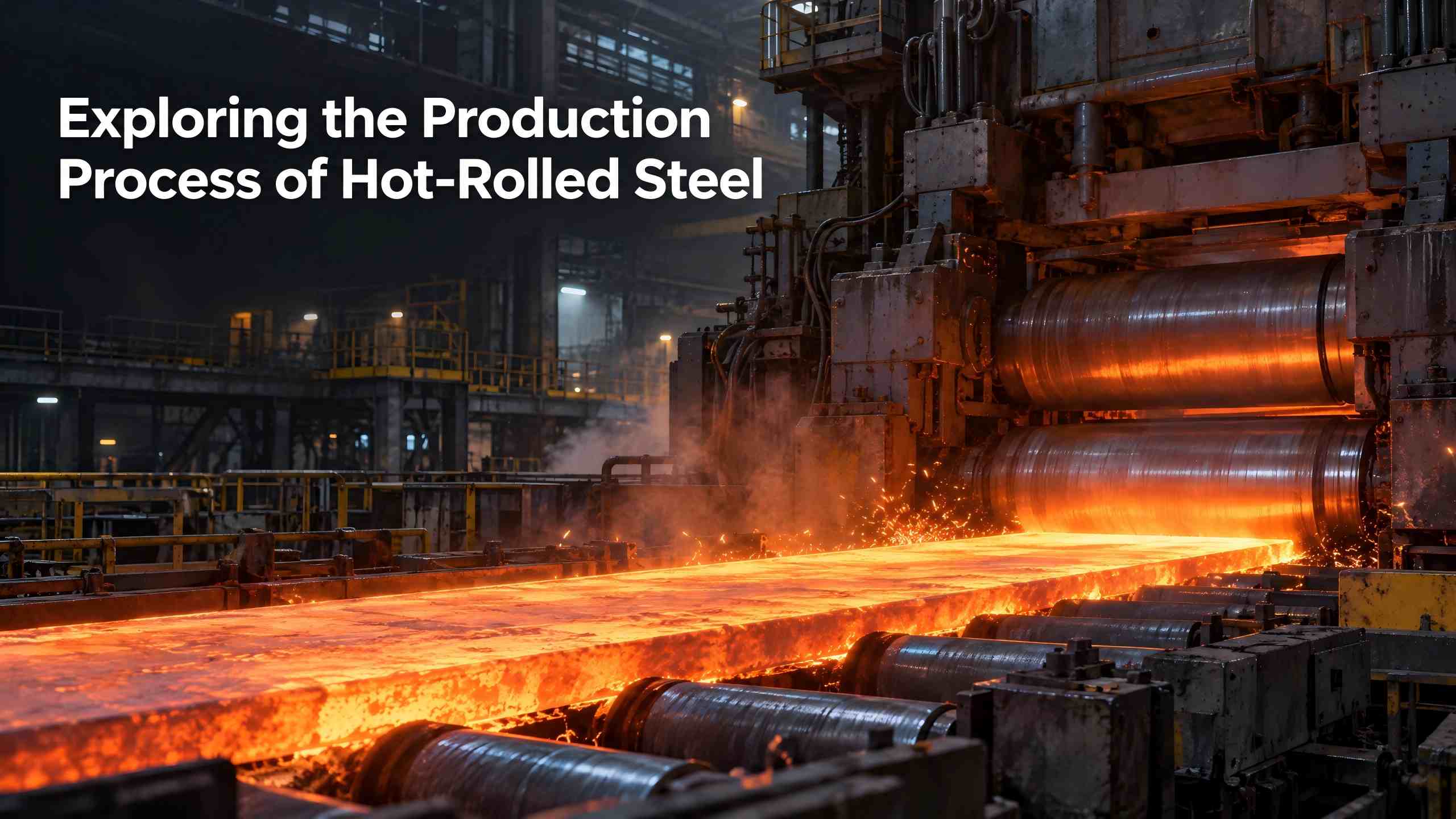
Hot Rolling Steel Mill

I. Basic Characteristics of Hot‑Rolled Steel


Hot‑rolled steel refers to steel formed by rolling at temperatures above 1000℃. High‑temperature processing greatly improves the plasticity of steel, facilitating bending, forming and welding. Its finished surface is slightly rough with a dark‑blue oxidized finish, a typical feature distinguishing it from cold‑rolled steel. Its core advantages fall into three key aspects: first, strong load‑bearing capacity and excellent tensile performance, suitable for various load‑bearing structures; second, favorable workability allowing free cutting, bending and welding to accommodate diverse design requirements; third, controlled costs thanks to well‑established processes, making it more suitable for large‑scale engineering projects compared with alloy steel and cold‑rolled steel.


II. Complete Production Process of Hot‑Rolled Steel


The production of hot‑rolled steel constitutes a standardized, continuous steel‑making workflow, consisting mainly of six core stages: raw material preparation, refining and composition adjustment, continuous casting, reheating and rolling, cooling for dimension stabilization, and surface finishing. Each procedure progresses sequentially and directly determines the dimensional accuracy, surface quality and mechanical properties of finished hot‑rolled steel.


1. Raw Material Preparation and Blast Furnace Smelting


The first step in hot‑rolled steel production is raw material preparation and smelting. Main raw materials include iron ore, coke and limestone, supplemented by recycled scrap steel to enhance resource utilization and lower production costs. After precise proportioning, raw materials are fed into a blast furnace and smelted at high temperature into molten iron, supplying pure and stable base feedstock for subsequent steel‑making procedures.


2. Molten Steel Refining and Composition Adjustment


Molten iron from blast‑furnace smelting is transferred to a converter or electric‑arc furnace for intensive refining and purification. Oxygen‑blowing operations and high‑temperature electric‑arc heating remove harmful impurities such as carbon, sulfur and phosphorus from molten steel. The chemical composition of molten steel is precisely adjusted to meet specifications for purity, temperature and steel grade, laying a foundation for manufacturing high‑quality hot‑rolled steel.


3. Continuous Casting


Qualified molten steel flows into a continuous caster. Upon cooling and solidification, standardized semi‑finished steel billets are produced. Three major types of billets are used in industrial production: square billets, slab billets and beam blanks. Square billets are primarily used to produce reinforcing bars and various sections; slab billets act as key feedstock for hot‑rolled coils, hot‑rolled plates and cold‑rolled substrates; beam blanks offer high compatibility for multiple steel production routes. As‑cast billets retain high temperatures, effectively cutting energy consumption for subsequent heating.


4. Reheating, Descaling and Hot‑Roll Forming


Prior to formal rolling, billets are reheated to 1100‑1200℃ for sufficient softening and reduced rolling resistance. High‑pressure water descaling equipment thoroughly removes surface scale to prevent quality defects such as peeling, scratches and excessive surface roughness during rolling.


After pre‑treatment, billets pass sequentially through roughing mills and finishing mills. Roughing delivers substantial thickness reduction, width setting and shape regularisation to produce intermediate slabs of uniform thickness. Multi‑pass precision rolling in finishing mills precisely controls thickness and plate profile, converting feedstock into standard steel strips, steel plates and various sections. Dedicated rolling mills are matched to different billet types for mass production of a full range of hot‑rolled products including plates, sections and wire rods.


5. Lamellar Cooling for Dimension Stabilization


High‑temperature steel strips exiting the finishing mill enter the lamellar cooling system for controlled, rapid cooling via uniform water curtains. Well‑designed cooling stabilises the internal metallographic structure of steel and relieves residual rolling stress. It ensures consistent strength, toughness and flatness across hot‑rolled steel and prevents finished‑product deformation and warpage.


6. Surface Finishing and Finished‑Product Treatment


Cooled steel strips are automatically coiled before entering final finishing procedures. Pickling removes residual surface scale to improve surface smoothness. Oil application after pickling forms an anti‑rust protective film to inhibit corrosion during storage and transportation. Subsequent trimming, levelling, non‑destructive testing and rigorous quality inspection yield finished hot‑rolled coils with stable performance and good appearance. These coils may be used directly or serve as substrates for further deep processing such as cold rolling, galvanising and pre‑painting.


III. Main Application Scenarios of Hot‑Rolled Steel


In the construction sector, hot‑rolled steel leverages its high stability and load‑bearing capacity for primary structural components including steel beams, columns and roof trusses in workshops, high‑rise buildings and bridges. It is also used for prefabricated steel frames and auxiliary on‑site steel components, improving construction efficiency and controlling project costs.


In machinery and manufacturing industries, its good weldability and formability make it widely applied in industrial‑equipment parts, automotive chassis structural components, metal shelving and metal furniture. For heavy‑industry and mining operations, hot‑rolled steel delivers impact resistance and wear resistance suited to harsh working conditions of heavy‑duty machinery such as excavators, bulldozers and mining transport equipment, and represents core material for heavy‑equipment manufacturing.


Conclusion


Hot‑rolled steel production is a standardised, high‑precision metallurgical forming system. Mature and stable manufacturing processes endow steel with outstanding comprehensive properties for infrastructure, manufacturing, heavy industry and other sectors. Nature Steel consistently adheres to strict quality‑control standards. Supported by a complete process system, we supply globally‑sourced customers with stable, cost‑effective premium hot‑rolled‑steel products.


Related News
Leave me a message
X
We use cookies to offer you a better browsing experience, analyze site traffic and personalize content. By using this site, you agree to our use of cookies. Privacy Policy
RejectAccept