News

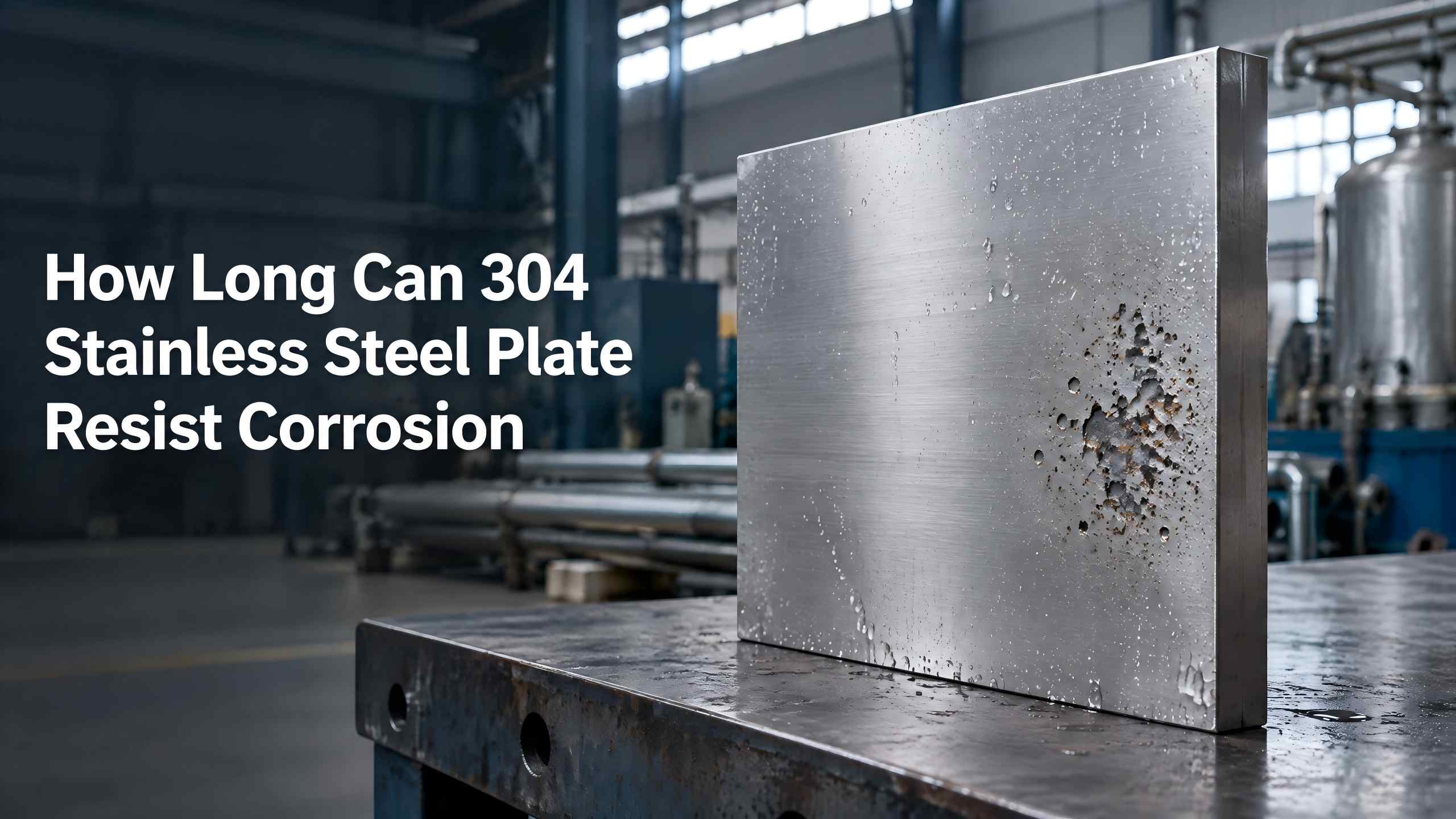
How Long Can 304 Stainless Steel Plate Resist Corrosion

2026-09-15 0 Leave me a message

In the selection of stainless‑steel plates, Nature Steel notes that 304 stainless steel plate is the most widely‑used material in civil applications, engineering and outdoor equipment sectors. The core concern for most purchasing and engineering users is: how long can 304 stainless steel plate remain free from corrosion?

304 stainless steel plate

I. Anti‑corrosion Principle of 304 Stainless Steel Plate


The excellent corrosion resistance of 304 stainless steel plate stems from its standard chemical composition: chromium content of 18‑19% and nickel content of 8.0‑8.9%. This high‑chromium and high‑nickel ratio forms a dense, stable chromium‑oxide passivation film on the plate surface, tightly covering the steel substrate to isolate erosion from air, moisture and impurities, and fundamentally prevent oxidative rusting of the plate.


Thanks to this stable compositional structure, the corrosion resistance of 304 stainless steel is several times that of 201 stainless steel plate, making it the most cost‑effective stainless‑steel material for general‑purpose scenarios at present.


II. Actual Corrosion‑free Service Life of 304 Stainless Steel Plate in Different Environments


For genuine national‑standard 304 stainless steel plate, its rust‑proof service life varies greatly across different application scenarios. Field‑measured industry service lives are as follows:


1. Dry conventional indoor environments

Applicable to indoor cabinets, equipment housings, interior decoration, kitchen‑and‑bath equipment and other scenarios with dry, non‑corrosive and salt‑spray‑free conditions. With stable environmental conditions, the passivation film is unlikely to be damaged, and the plate hardly suffers corrosion.

Corrosion‑free service life: more than 20‑30 years

2. Ordinary inland outdoor environments

In inland urban outdoor settings free of coastal salt spray and severe industrial pollution, rainwater can naturally wash away dust on the plate surface, keeping the passivation film in a stable state.

Corrosion‑free service life: no obvious corrosion for more than 15 years

3. Harsh coastal and heavily industrially‑polluted environments

In seaside settings with high salt‑spray air, environments with industrial acid‑base waste gas, polluted standing water and other scenarios, large quantities of chloride ions and corrosive substances continuously destroy the passivation film on 304 stainless‑steel surfaces, causing pitting corrosion and surface rust.

Corrosion‑free service life: around 5 years, with rust spots likely to occur

4. Strong acid‑alkali chemical environments

Under working conditions involving long‑term exposure to chemical reagents, bleaching agents and acid‑base fumes, the passivation film will suffer rapid damage, and the plate’s corrosion‑resistant capacity will drop sharply.

Corrosion‑free service life: local corrosion may occur within several months


III. Common Misconception: Rust Does Not Equal Inferior Material


Upon discovering rust on 304 stainless‑steel plates, many users directly conclude that the plates are of substandard quality, which is a one‑sided view.


No stainless steel is completely rust‑proof. The core property of 304 stainless steel is corrosion resistance rather than absolute rust immunity. In most cases, surface rust or rust spots on 304 plates do not stem from defective base‑material quality. Instead, they result from external factors such as environmental corrosion, surface iron‑powder contamination, residual standing water and inadequate subsequent maintenance. The plates can resume normal service after cleaning and maintenance.


IV. Core Rust‑resistance Differences Between 201 and 304 Stainless Steel Plates


201 and 304 stainless‑steel plates look highly similar and cannot be distinguished by the naked eye, yet their rust‑proof performance differs drastically. 201 stainless steel contains very low nickel content and features weak corrosion resistance. It may develop extensive rust within just a few months for outdoor use.


By contrast, thanks to its standard chromium‑nickel ratio, 304 stainless‑steel plate delivers far superior corrosion resistance compared with 201 plate. It is the preferred material for outdoor engineering, equipment manufacturing and residential & commercial decoration. Stainless‑steel manufacturers in the industry generally recommend prioritizing 304 stainless‑steel plate for open‑air outdoor scenarios for better service life and stability.


V. How to Identify Genuine 304 Stainless Steel Plates Accurately


Since 201 and 304 materials cannot be distinguished visually, many non‑standard, low‑content plates are sold under the name of 304 on the market. Such plates feature extremely poor rust‑proof performance and tend to rust within a short period. Two steps are recommended during procurement:

Request material composition test reports and MTC material certificates from suppliers, and verify whether chromium and nickel contents meet standards;

Conduct quick on‑site identification with special stainless‑steel test solutions to simply and efficiently verify material authenticity and avoid purchasing inferior plates.


VI. Practical Tips to Extend the Corrosion‑free Service Life of 304 Stainless Steel Plates


Keep plate surfaces dry and clean; avoid long‑term standing water and dust accumulation, and eliminate damp dead corners;

Do not clean plate surfaces with chlorine‑containing corrosive cleaners such as 84 disinfectant and bleach;

Promptly remove surface iron powder and iron filings after cutting, grinding and other processing to prevent secondary contamination and rusting;

For coastal high‑salt‑spray environments, upgrade to 316 stainless‑steel plate if budget permits for greatly improved rust‑proof performance.


Summary


Genuine qualified 304 stainless‑steel plate can stay corrosion‑free for 20‑30 years in dry indoor environments and serve for more than 15 years in inland outdoor settings. Even under harsh coastal conditions, it can operate stably for roughly 5 years. To secure long‑term rust‑proof performance, the key lies in selecting genuine 304 material, matching it to application scenarios, performing regular cleaning and maintenance, and avoiding misconceptions about materials and usage.


Related News
Leave me a message
X
We use cookies to offer you a better browsing experience, analyze site traffic and personalize content. By using this site, you agree to our use of cookies.Privacy Policy
RejectAccept