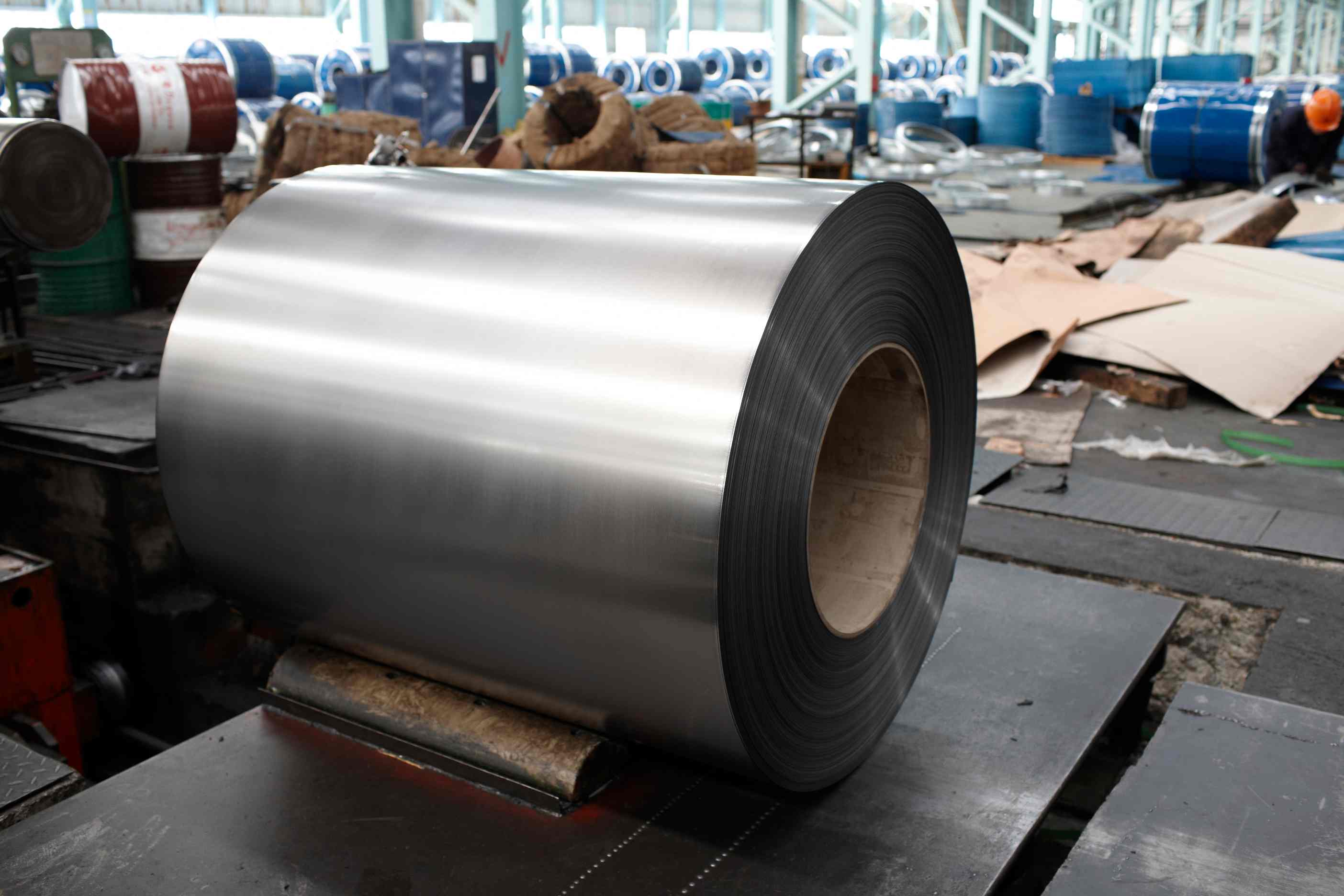
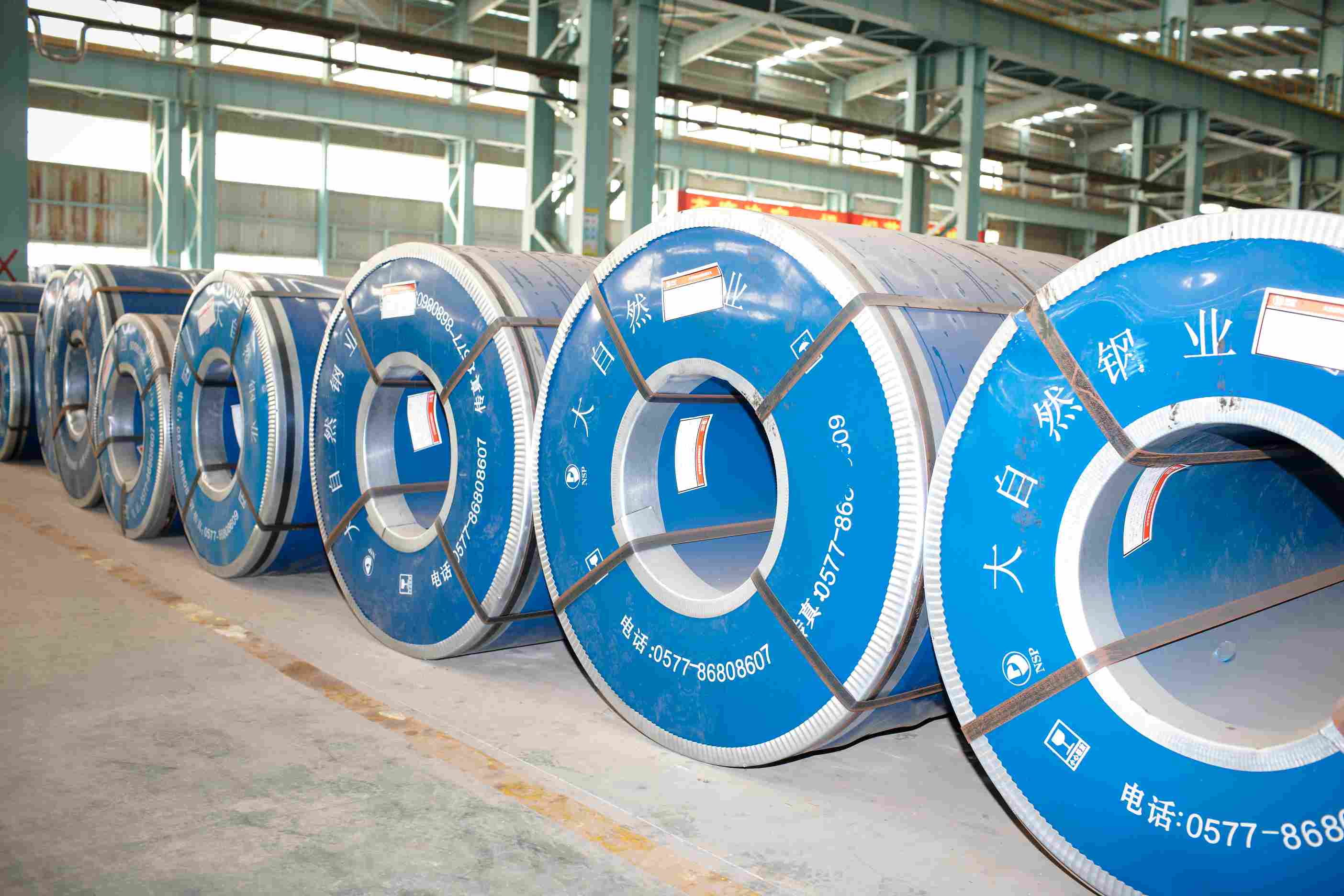
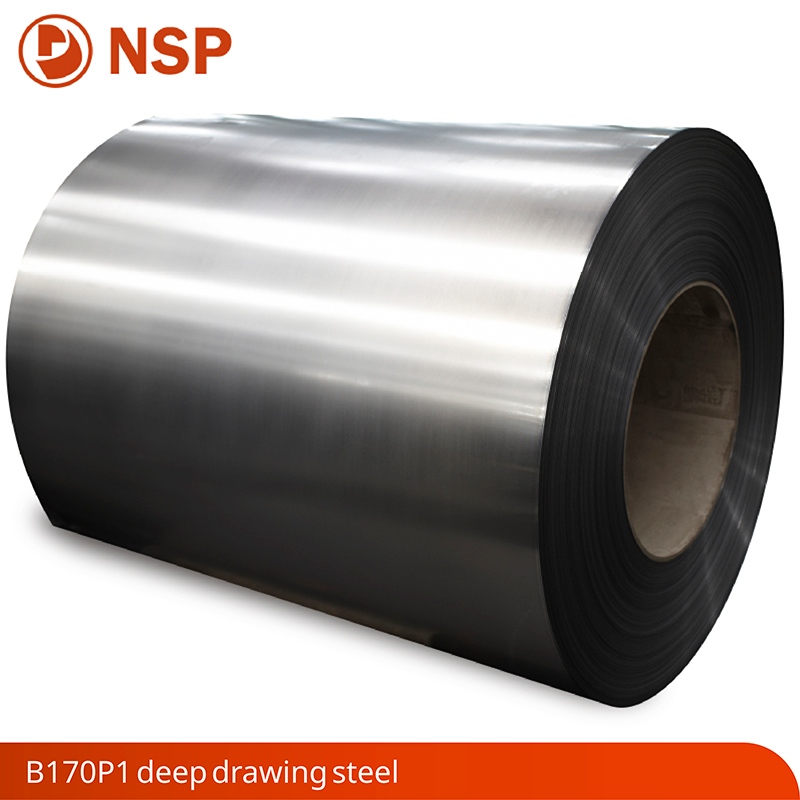
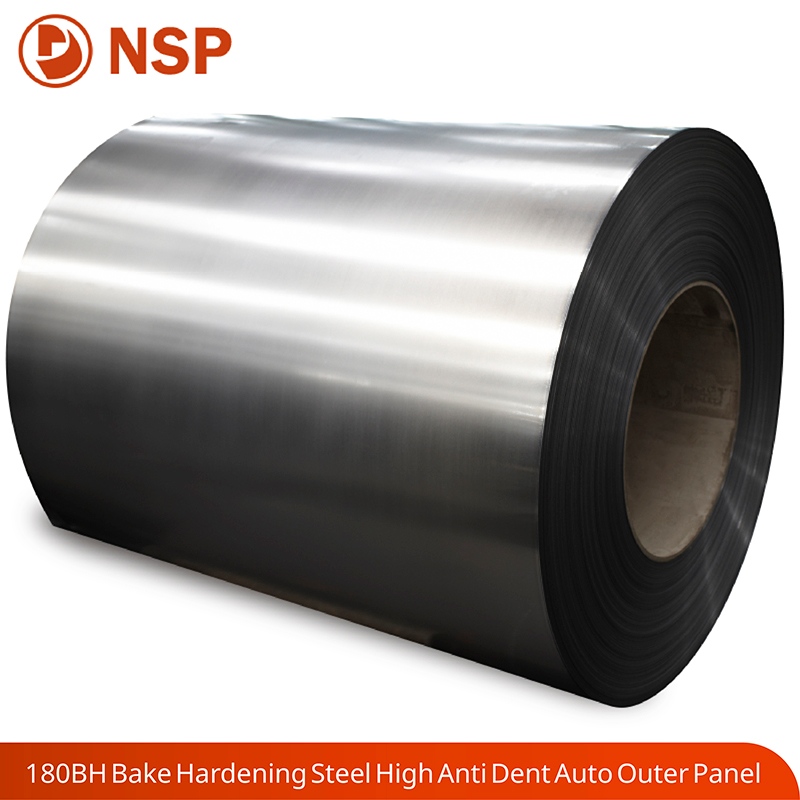
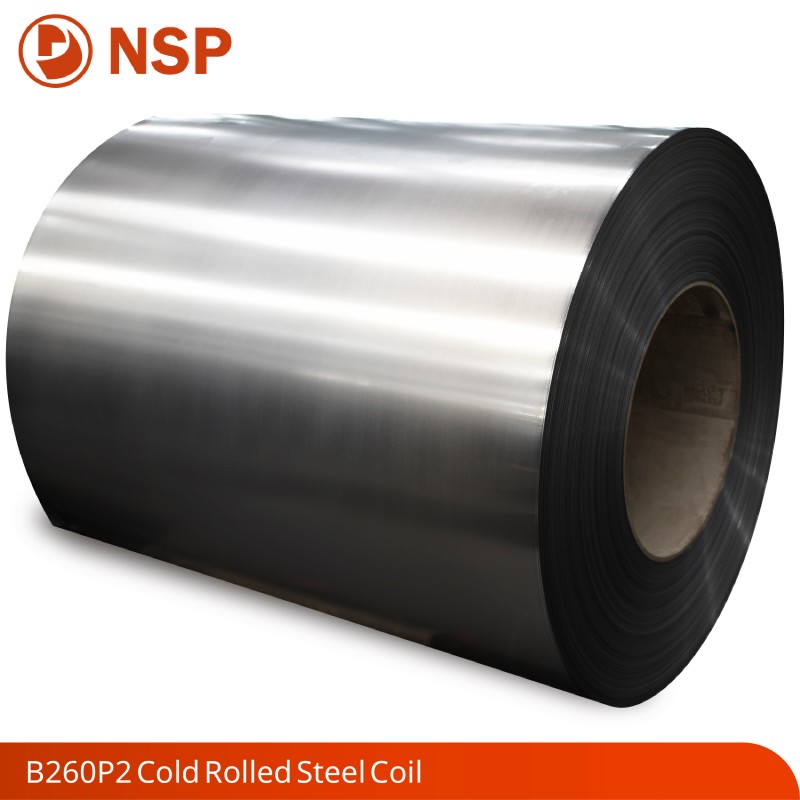
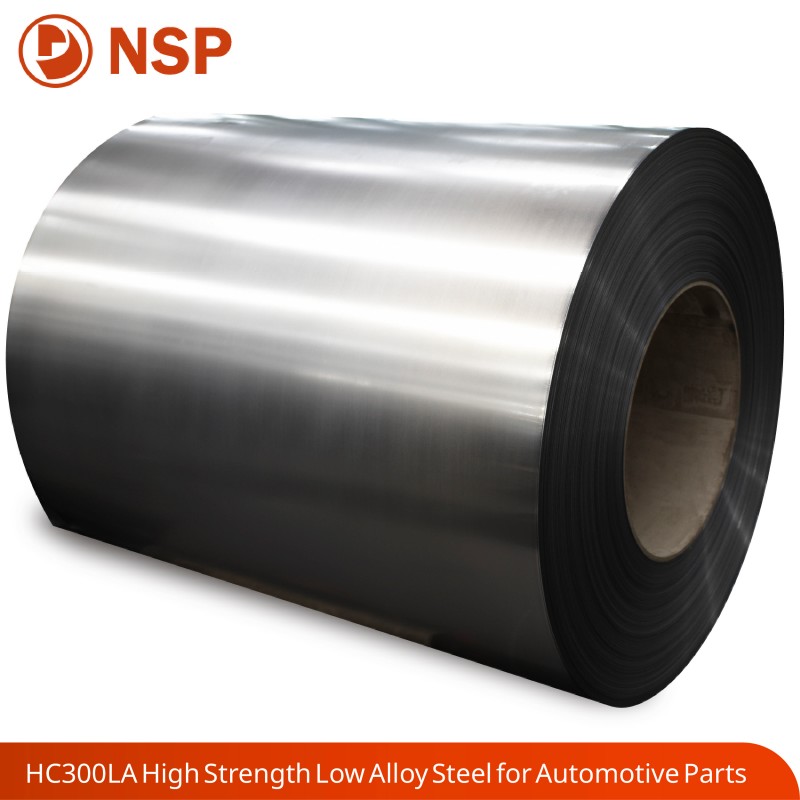
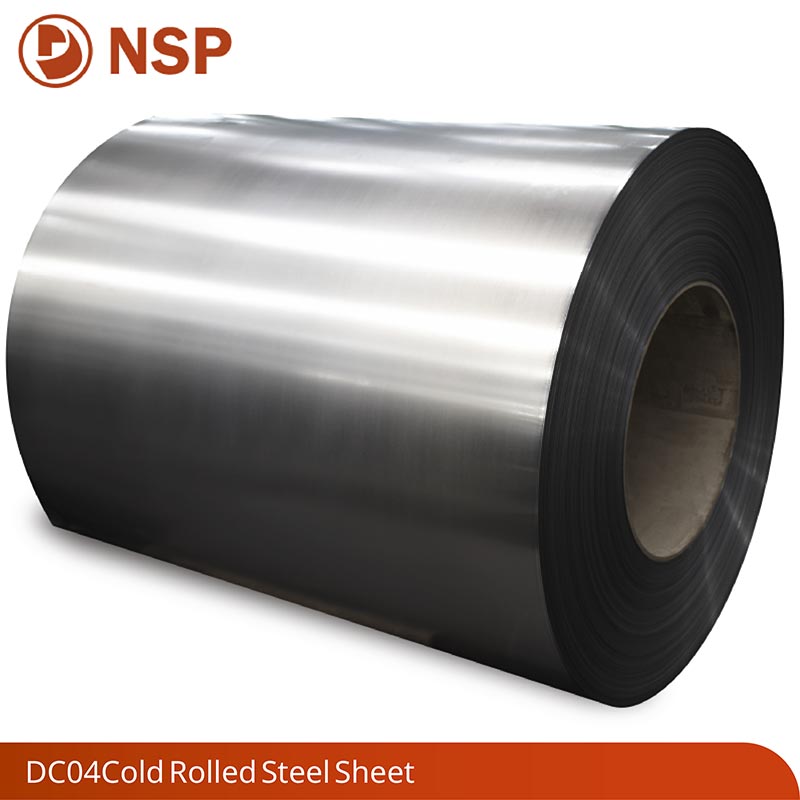
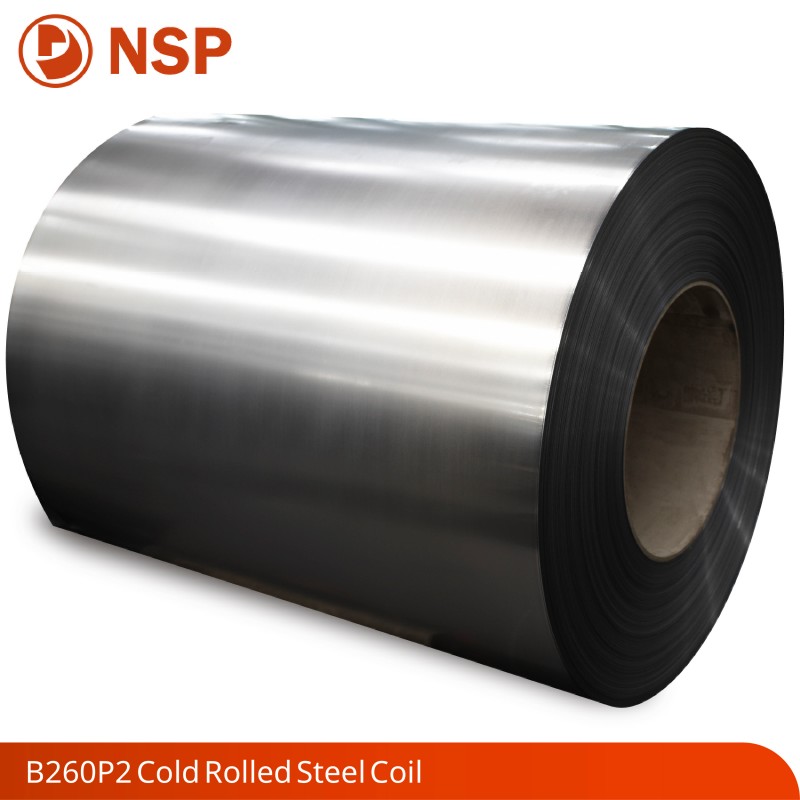
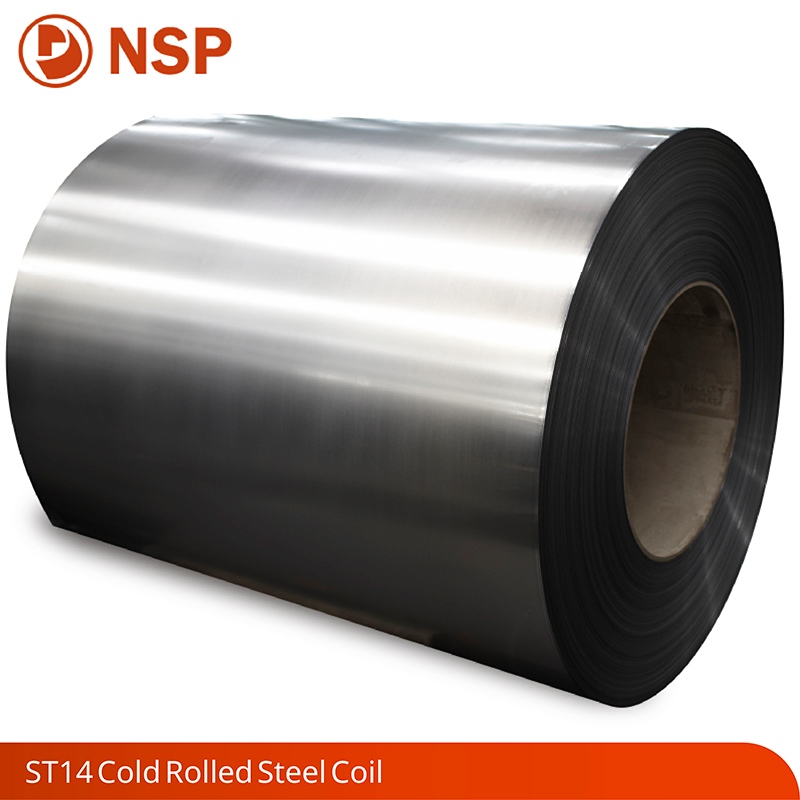
Cold‑rolled thin steel sheet (cold‑rolled steel sheet) belongs to cold‑rolled flat steel and is one of the main products of Nature Steel Group Co., Ltd. It uses hot‑rolled steel sheet as raw material and undergoes secondary rolling in a cold‑rolling mill at room temperature to produce steel sheets of target specifications. Compared with hot‑rolled steel sheet, cold‑rolled thin steel sheet features a smoother and flatter surface, tighter dimensional control, as well as excellent mechanical strength, deformation resistance and crack resistance. It is a widely‑used basic steel material in modern manufacturing. This paper introduces the core advantages of cold‑rolled thin steel sheet, its application scenarios across various industries, and key points for material selection reference, to help purchasers and engineers quickly evaluate material suitability.
Core Advantages of Cold‑Rolled Thin Steel Sheet
1. Excellent Surface Finish and Flatness
Cold rolling is performed at ambient temperature and generates no scale associated with hot rolling. The steel sheet features a smooth, flat surface with good wrinkle and crack resistance and favourable anti‑fouling performance. Base sheets with high flatness can greatly improve the adhesion of painting and electroplating and reduce subsequent polishing processes. For appearance‑critical components, they deliver superior consistency of finished‑part surfaces and are suitable for products with high surface‑quality requirements.
2. Ultra‑high Dimensional Precision for Precision‑Component Machining
The cold‑rolling process achieves strict dimensional tolerances, stable sheet shape and minor thickness variation. It is suitable for manufacturing components with stringent dimensional control requirements, compatible with automated stamping‑line assembly, reduces assembly deviation and lowers material scrap rates, making it a preferred material for high‑volume precision manufacturing.
3. Outstanding Mechanical Strength with Deformation and Crack Resistance
Cold‑rolled steel sheets outperform hot‑rolled steel sheets in mechanical properties. Cold working raises steel strength and delivers good deformation and crack resistance to meet the service requirements of some strength‑demanding structural components. Ductility can be adjusted via annealing treatments; low‑carbon grades support complex forming operations such as bending, stamping and deep drawing.
4. Energy‑saving Production with Controllable Manufacturing Costs
Cold rolling requires no high‑temperature heating throughout the process, which saves substantial energy and brings manufacturing‑cost advantages. Given equivalent surface‑quality and precision requirements, cold‑rolled thin steel sheet balances performance and procurement cost and represents a cost‑effective option for sheet‑metal parts.
5. Good Weldability
Conventional low‑carbon cold‑rolled thin steel sheet allows simple welding procedures and stable weld formation. It supports spot welding and arc welding and facilitates assembly of cabinets, frames and similar products.
Note: Bare cold‑rolled thin steel sheet has no anti‑rust coating. Although its surface is smooth and anti‑fouling, it tends to rust in humid environments. Anti‑corrosion treatments such as oiling, painting or galvanizing are required for service.
Major Application Fields of Cold‑Rolled Thin Steel Sheet
Construction Industry
Cold‑rolled thin steel sheet is used for construction components including steel‑structure housing, ceiling panels and corrugated sheets. Bare cold‑rolled sheets are seldom applied directly outdoors in construction; most are subsequently galvanized or pre‑painted to enhance rust resistance.
Automobile Manufacturing
The automobile sector constitutes the most important application market for cold‑rolled thin steel sheet. Cold‑rolled steel sheets are used for automotive body panels, door panels, roof panels, hoods and other exterior body panels, as well as door inner panels, seat brackets, wheel‑related sheet‑metal parts and new‑energy‑vehicle battery‑pack housings. Exterior panels prioritize surface finish, while structural components focus on strength and formability.
Household Appliances
It is widely adopted for kitchen appliances, cleaning equipment and refrigeration equipment, such as refrigerator side panels, washing‑machine housings, microwave‑oven cavities and air‑conditioner sheet‑metal enclosures. Household‑appliance products impose high requirements on sheet flatness and painting performance. Cold‑rolled thin steel sheets such as SPCC and DC01 serve as common base materials for household‑appliance sheet‑metal parts.
Machinery Manufacturing
Cold‑rolled thin steel sheet applies to general machinery manufacturing for fabricating industrial pipe fittings, bearing parts, gears, instrument and meter housings and small‑equipment enclosures. Its favourable strength and formability satisfy the machining requirements of diverse precision mechanical components.
Electrical Cabinets, Metal Furniture and Storage Racks
Cold‑rolled thin steel sheet is heavily used in power distribution cabinets, control cabinets, server chassis, metal filing cabinets and storage racks. The material lends itself well to bending and forming and yields aesthetic painted surfaces, suiting mass production.
Key Considerations for Cold‑Rolled Thin Steel Sheet Selection
2. Forming‑grade selection: Use DC01 for general stamping, DC03 for deep‑drawing applications and DC04 for extra‑deep‑drawing applications.
3. Confirm dimensional tolerances: Agree on thickness and sheet‑shape tolerances in advance for automated production lines.
4. Anti‑corrosion solutions: Bare cold‑rolled thin steel sheet is prone to oxidation and rust. It is normally supplied with anti‑rust oil at the factory. Galvanizing, pre‑painting or painting protection must be implemented for outdoor service.
FAQ
Q1: What are the differences between cold‑rolled steel sheet and hot‑rolled steel sheet?
Hot‑rolled steel sheet is rolled at high temperature, with scale on its surface and relatively large dimensional tolerances. Cold‑rolled steel sheet is rolled at room temperature; it has a smooth, flat surface, high dimensional precision, improved mechanical strength and good wrinkle and crack resistance, and fits precision‑stamped parts. Cold rolling consumes less energy without heating, yet bare cold‑rolled sheet has poor rust resistance.
Q2: Will cold‑rolled thin steel sheet rust?
Yes. Ordinary cold‑rolled carbon steel sheet carries no built‑in anti‑rust coating. Anti‑rust oil is applied at delivery to provide only surface anti‑fouling performance. It is susceptible to oxidative rust in humid environments. Anti‑corrosion treatments such as painting or galvanizing are recommended after machining.
Q3: Can cold‑rolled thin steel sheet undergo deep‑drawing processing?
Yes. Choose deep‑drawing‑specialized grades such as SPCD, SPCE, DC03 and DC04. These grades offer superior ductility and can produce complex deep‑drawn components.
Summary
Benefiting from its smooth and flat sheet surface, high dimensional precision, excellent mechanical strength, deformation and crack resistance, together with energy‑saving production and controllable costs, cold‑rolled thin steel sheet finds extensive applications in construction, automobile manufacturing, household‑appliance production, machinery manufacturing and other industries.
If you wish to procure high‑quality cold‑rolled thin steel sheet, please contact Nature Steel Group Co., Ltd. You may visit our official website at [www.naturesteels.com] for full product specifications. For quotation requests, please send emails to Sales@naturesteels.com. Our professional team will promptly provide you with technical parameters and quotation proposals.
We use cookies to offer you a better browsing experience, analyze site traffic and personalize content. By using this site, you agree to our use of cookies. Privacy Policy