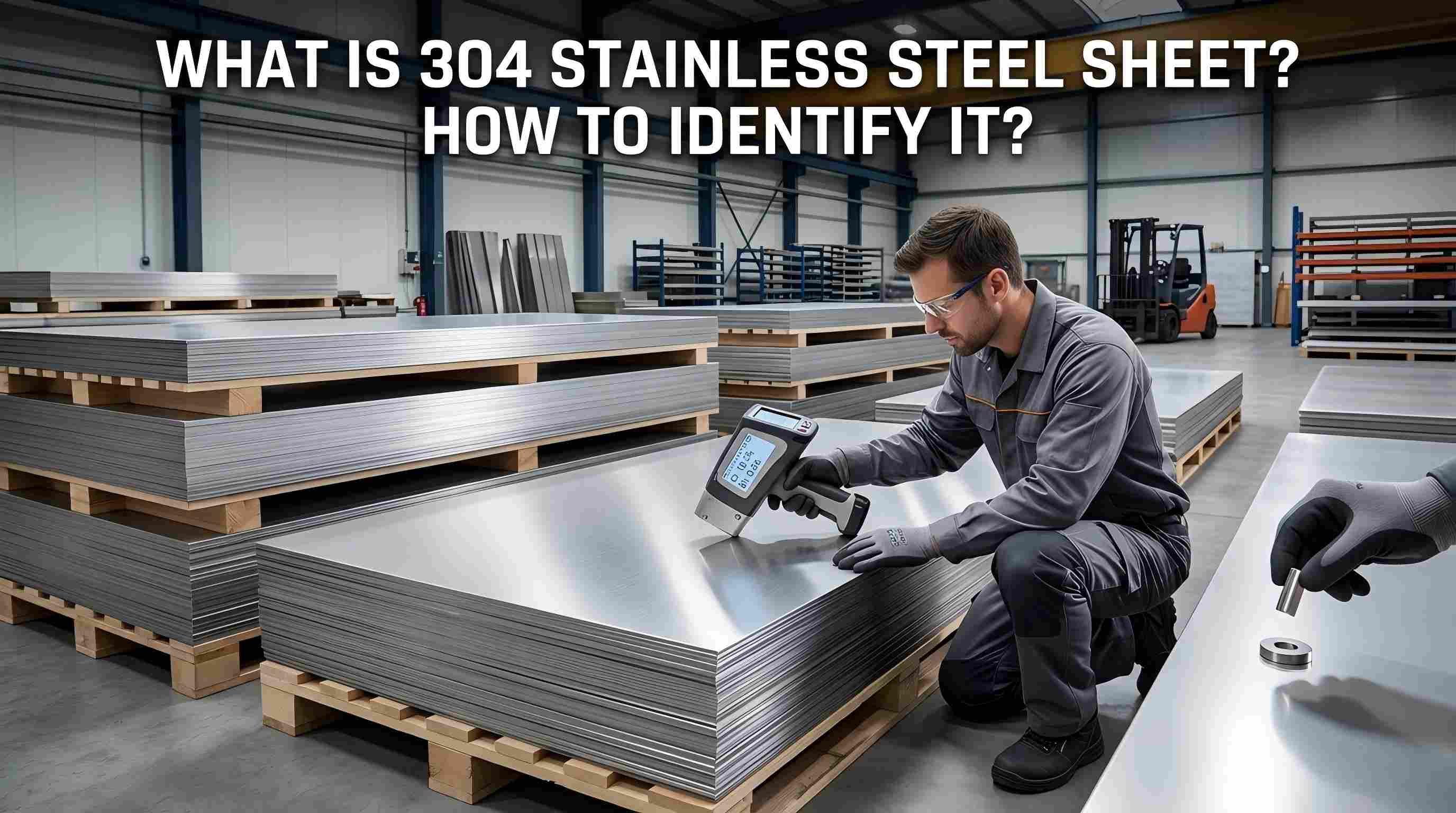
If you work in manufacturing, sheet‑metal processing, or steel‑structure procurement, you will frequently face this question: how do you tell galvanized steel sheets apart from cold‑rolled steel sheets? Many novice procurement staff mix up the two steel materials. Selecting the wrong material not only incurs extra costs but also causes premature rusting and scrapping of workpieces. As a professional steel supplier, NatureSteel regularly supplies cold‑rolled and galvanized steel sheets. Below are multiple practical identification methods to quickly differentiate galvanized steel sheets from cold‑rolled steel sheets.
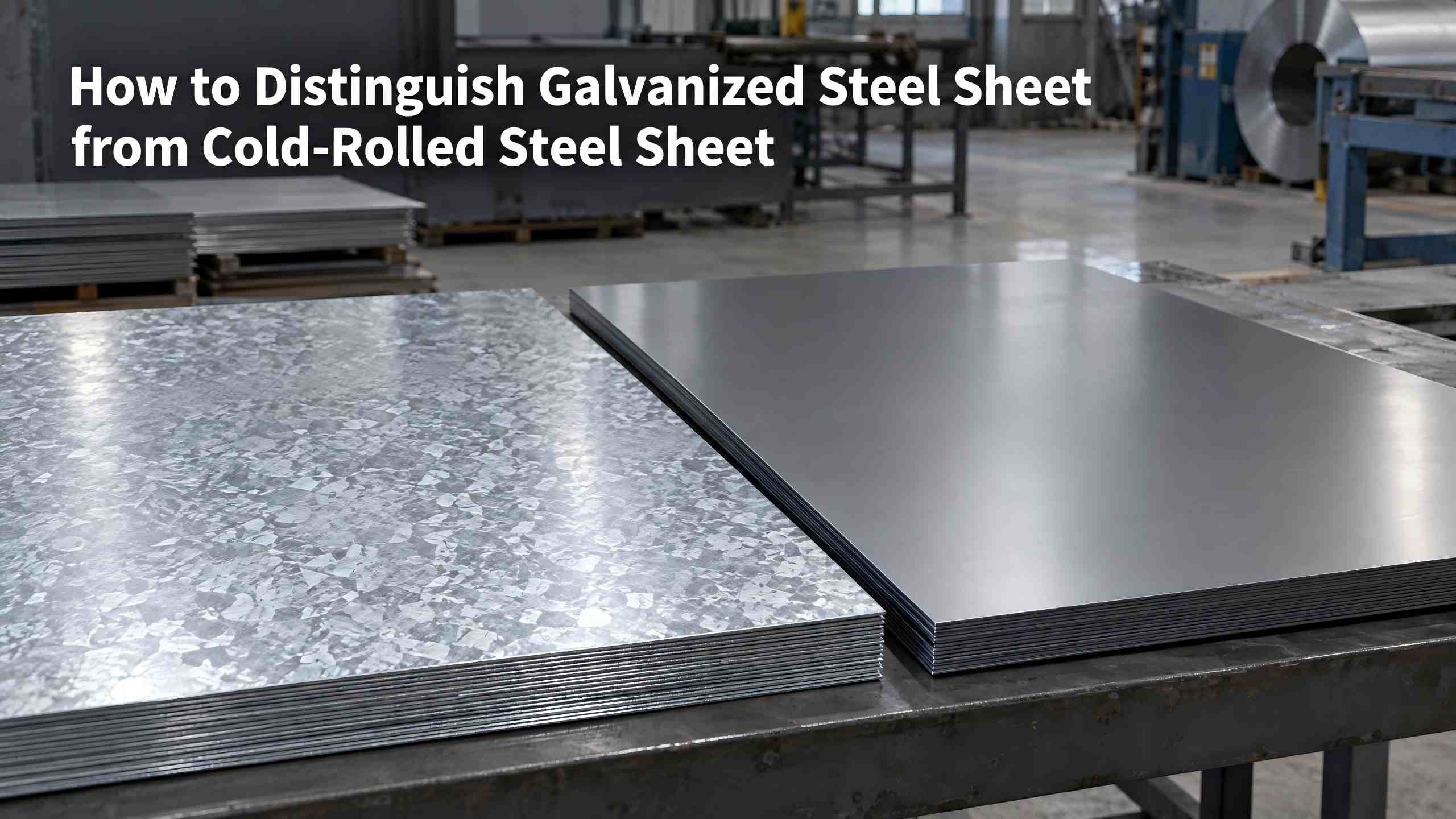
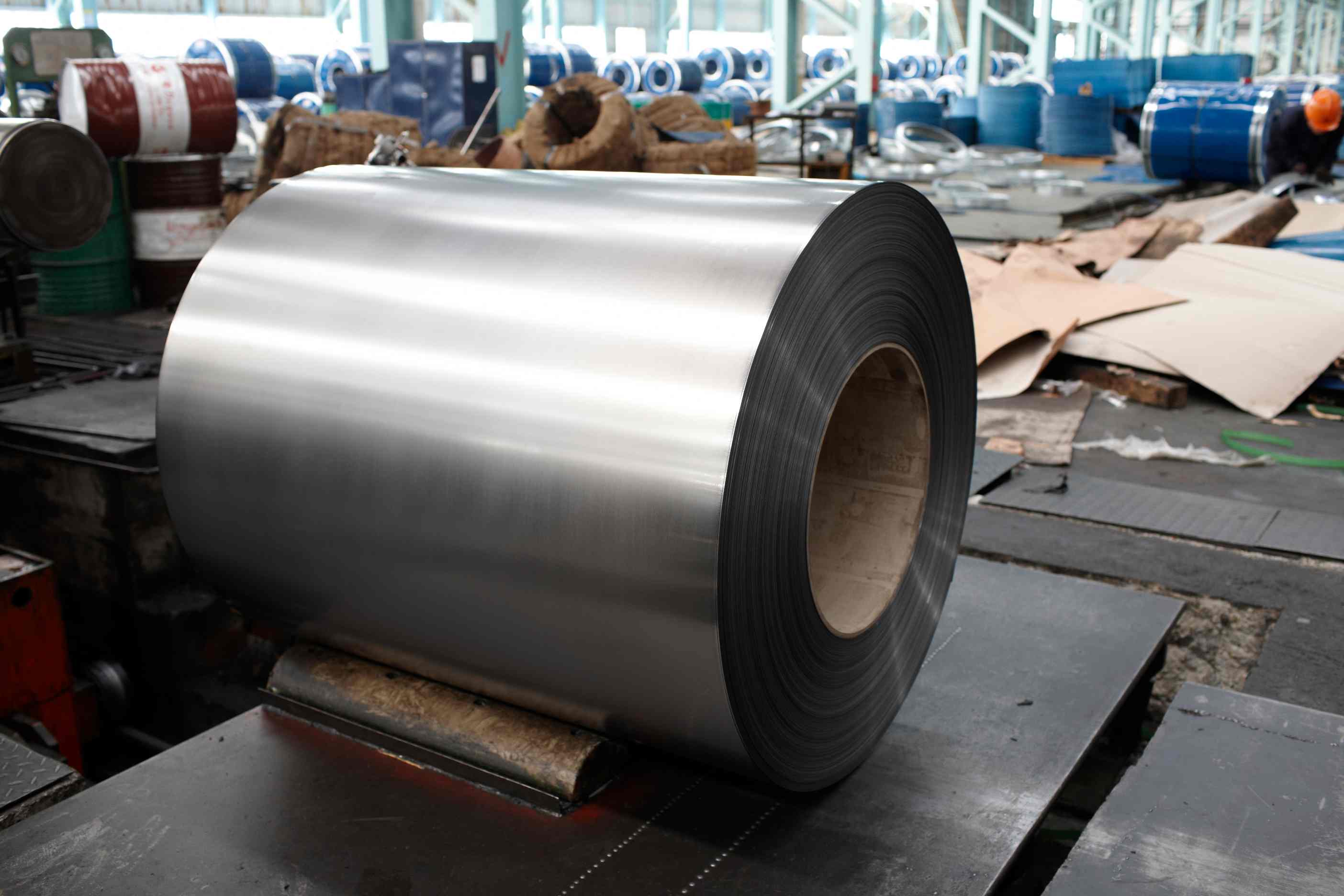
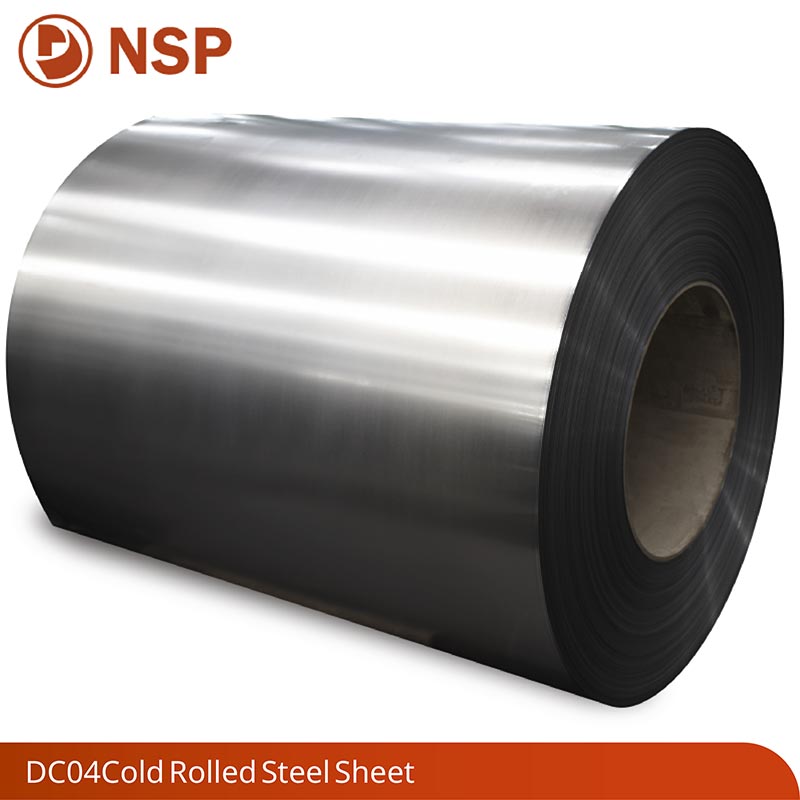
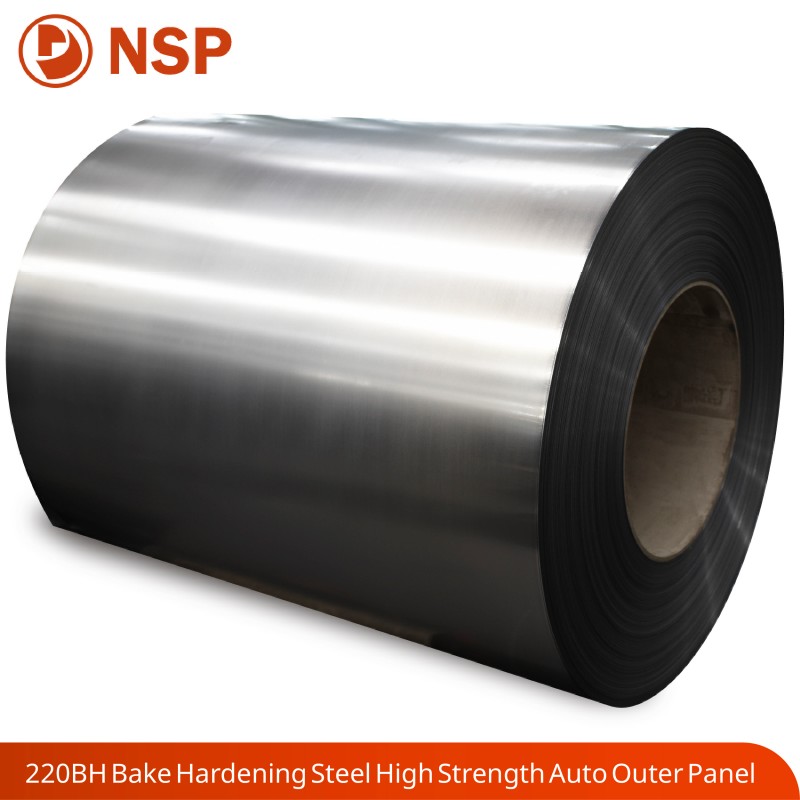
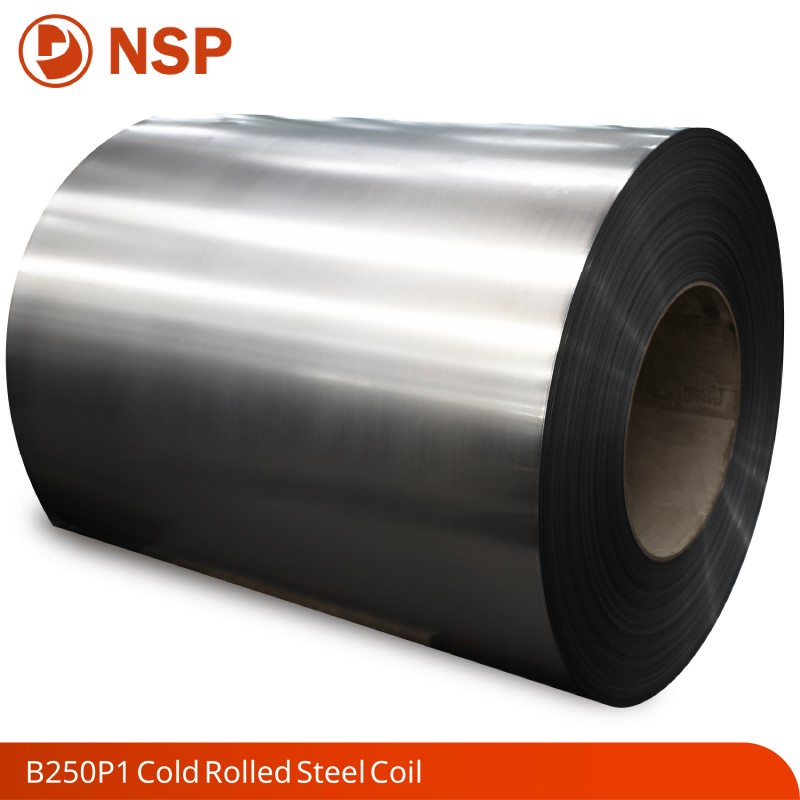
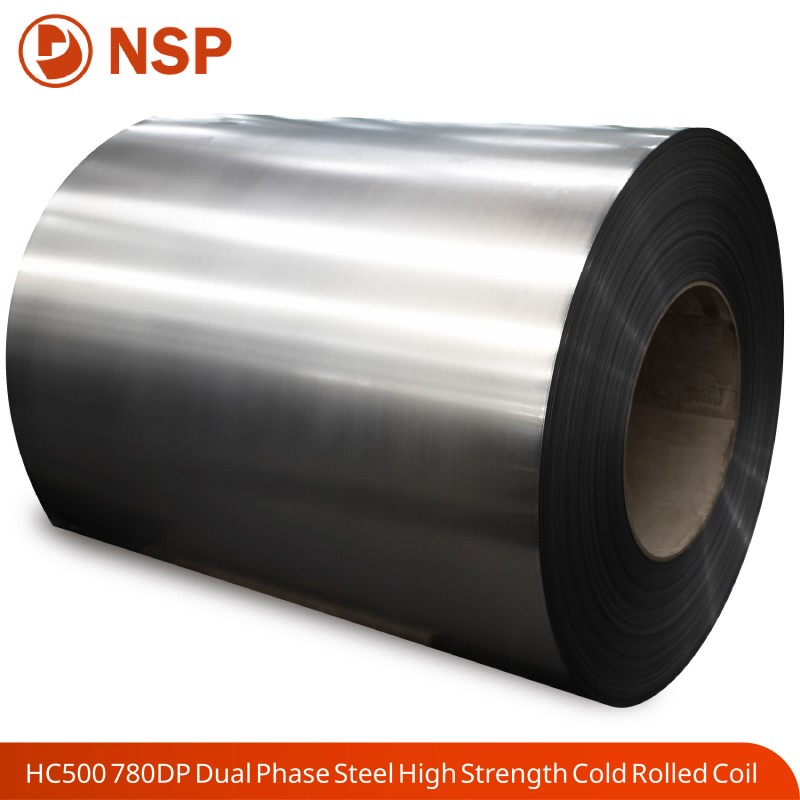
A cold‑rolled steel sheet features an exposed steel substrate with an even grey metallic finish. It has no zinc coating and no spangles. Commercially available cold‑rolled steel sheets are usually coated with anti‑rust oil for temporary corrosion protection. Once the anti‑rust oil is wiped off or evaporates, the bare steel will develop rust spots quickly upon exposure to air. It is characterized by a pure steel substrate with a smooth, clean surface free of zinc‑coating patterns.
A galvanized steel sheet has a silver‑white zinc coating bonded to its substrate. Conventional hot‑dip galvanized steel sheets show distinct spangles to the naked eye. Although spangle‑free galvanized steel sheets display no visible patterns, they still possess a matte silver‑white zinc‑coating texture. The silver‑white zinc layer covers the steel sheet, isolating moisture and oxygen to protect the underlying steel.
The substrate of a galvanized steel sheet remains steel. Note that zinc itself is non‑magnetic, yet the steel base can be attracted by a magnet. Correct the common misconception that magnets cannot attract galvanized steel sheets at all.
A magnet firmly adheres to cold‑rolled steel sheets, whose substrate is iron. Magnets can still attach to galvanized steel sheets through their steel substrate; the zinc coating only slightly separates the magnet, resulting in marginally weaker magnetic pull rather than zero attraction. The magnet test serves only as an auxiliary method and cannot independently identify steel types. It is recommended to combine it with visual inspection.
Given the additional zinc coating on galvanized steel sheets, the overall thickness of a galvanized sheet is slightly greater than that of its cold‑rolled substrate of the same nominal specification. Measure the total sheet thickness with a vernier caliper or thickness gauge. If the measured thickness exceeds the nominal substrate thickness by the approximate thickness of a zinc coating, the sheet is most likely galvanized. Note that zinc coatings are generally very thin, producing only minimal dimensional differences, so this method should also be used for auxiliary verification.
Cold‑rolled steel sheets have no anti‑corrosion coating and rust readily in humid environments. They can only be processed for indoor dry‑condition applications and must undergo secondary surface treatments such as painting or powder coating before use. They are not suitable for direct outdoor exposure.
The zinc coating on galvanized steel sheets delivers dual‑mode protection. Physically, the zinc layer seals off the steel substrate. When the sheet surface is scratched, zinc acts as a sacrificial anode and corrodes preferentially to slow substrate rusting. Galvanized steel sheets can resist rust outdoors for long periods without immediate painting.
Cold‑rolled steel sheets are produced by cold‑rolling hot‑rolled pickled coils at ambient temperature. The cold‑rolling process improves dimensional accuracy, flatness and sheet shape, delivering excellent stamping, bending and deep‑drawing formability.
Most thin‑gauge commercial galvanized steel sheets use cold‑rolled coils as substrates. In production, the cold‑rolled substrate is immersed in molten zinc liquid. The hot‑dip galvanizing process firmly bonds the zinc coating to the steel sheet. Simply put, cold‑rolled steel sheets can act as substrates for producing galvanized steel sheets, but galvanized steel sheets cannot revert to bare cold‑rolled steel sheets.
Cold‑rolled steel sheets feature good ductility and tight thickness tolerances. Their bare‑steel surfaces make them suitable for deep drawing, stretching and complex stamping operations. Their main disadvantage is poor inherent rust resistance.
Galvanized steel sheets retain most mechanical properties of their cold‑rolled substrates. However, zinc coatings have limited ductility and tend to crack during ultra‑deep stamping. For components requiring extremely deep drawing, the standard industry practice is to stamp and form cold‑rolled steel sheets first, then apply galvanizing after forming.
Application scenarios: automotive interior parts, electrical cabinet housings, home‑appliance casings, and stamped components requiring subsequent painting.
Advantages: high dimensional accuracy, excellent stamping formability, lower raw‑material unit price.
Disadvantages: poor rust resistance; secondary surface coating is mandatory.
Application scenarios: base sheets for color steel roofing, wall cladding panels, ventilation ducts, guardrails, electrical boxes for humid environments, and outdoor supports.
Advantages: outstanding rust resistance; usable directly without immediate painting.
Disadvantages: higher price; zinc coatings are prone to damage during deep stamping.
Q1: Can galvanized steel sheets be distinguished from cold‑rolled steel sheets by naked eye alone?
A: In most cases yes. Sheets with silver‑white zinc spangles are generally galvanized steel sheets; sheets with grey bare‑steel surfaces are cold‑rolled steel sheets. Watch for oil‑coated cold‑rolled steel sheets: their oil film may visually mimic a zinc coating. Wipe away the anti‑rust oil. If bare steel is exposed, it is a cold‑rolled steel sheet.
Q2: Can magnets independently distinguish galvanized steel sheets from cold‑rolled steel sheets?
A: Relying solely on magnets is not recommended. Magnets still attract galvanized steel sheets owing to their steel substrate, albeit with slightly reduced pull. Misjudgements easily occur. Comprehensive assessment combining visual inspection and thickness measurement is advised.
Q3: Must the substrate of a galvanized steel sheet be a cold‑rolled steel sheet?
A: Not necessarily. Hot‑rolled coils can also serve as substrates for galvanized steel sheets. Nevertheless, most commercially available thin‑gauge galvanized steel sheets adopt cold‑rolled steel coils as substrates.
Q4: Can cold‑rolled steel sheets directly replace galvanized steel sheets for outdoor projects?
A: Not recommended. Bare cold‑rolled steel sheets rust rapidly outdoors. Even with paint finishing, regular maintenance is required, leading to higher overall costs.
Identify galvanized steel sheets and cold‑rolled steel sheets comprehensively by visual observation, auxiliary magnet testing and thickness measurement.
1. Appearance: Galvanized steel sheets feature silver‑white zinc coatings / spangles; cold‑rolled steel sheets present grey bare steel surfaces.
2. Rust resistance: Galvanized steel sheets come with built‑in corrosion protection; cold‑rolled steel sheets rust easily.
3. Process: Cold‑rolled steel sheets are bare base materials; galvanized steel sheets are steel sheets processed with surface galvanization.
4. Application: Cold‑rolled steel sheets suit indoor stamping with subsequent painting; galvanized steel sheets fit humid and outdoor environments with inherent rust resistance.
When procuring steel sheets, select materials according to project purposes, environmental requirements and processing techniques to guarantee project quality and safety. NatureSteel supplies cold‑rolled and galvanized steel sheets of diverse specifications, supports material selection on demand, and delivers stable high‑quality steel supply for various manufacturing and engineering projects.
Address:No. 696, Binhai 12th RoadBinhai Industrial Park, Wenzhou Economic & Technological Development ZoneWenzhou, Zhejiang Province, P.R.China
Copyright © 2026 Nature Steel Group Co., Ltd. All rights reserved. Links| Sitemap| RSS| XML| Privacy Policy