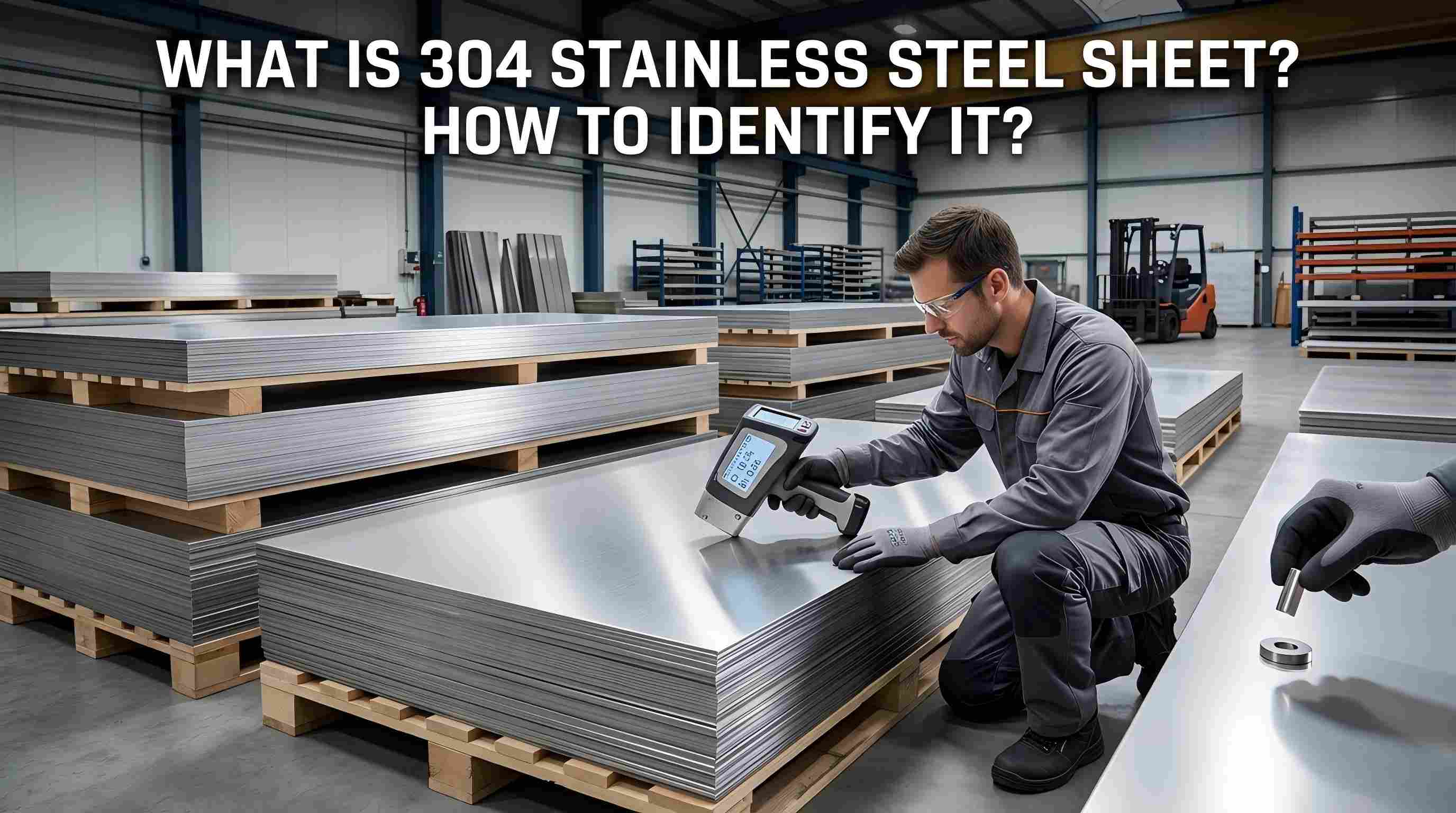
304 stainless steel sheet is the most widely used austenitic stainless steel sheet in global industrial, decorative, kitchen and food sectors. Featuring balanced corrosion resistance, heat resistance, compressive strength and easy processability, it stands as the most versatile stainless steel material on the market. However, low-cost counterfeit sheets such as 201 and 430 share highly similar appearances and are easily confused. Combining material standards, core properties and practical identification techniques, this article comprehensively answers "what is 304 stainless steel sheet" and "how to accurately identify 304 stainless steel sheet", serving as a reference for purchasers, processing manufacturers and engineering practitioners.
I. What Is 304 Stainless Steel Sheet? Core Definition and Basic Parameters
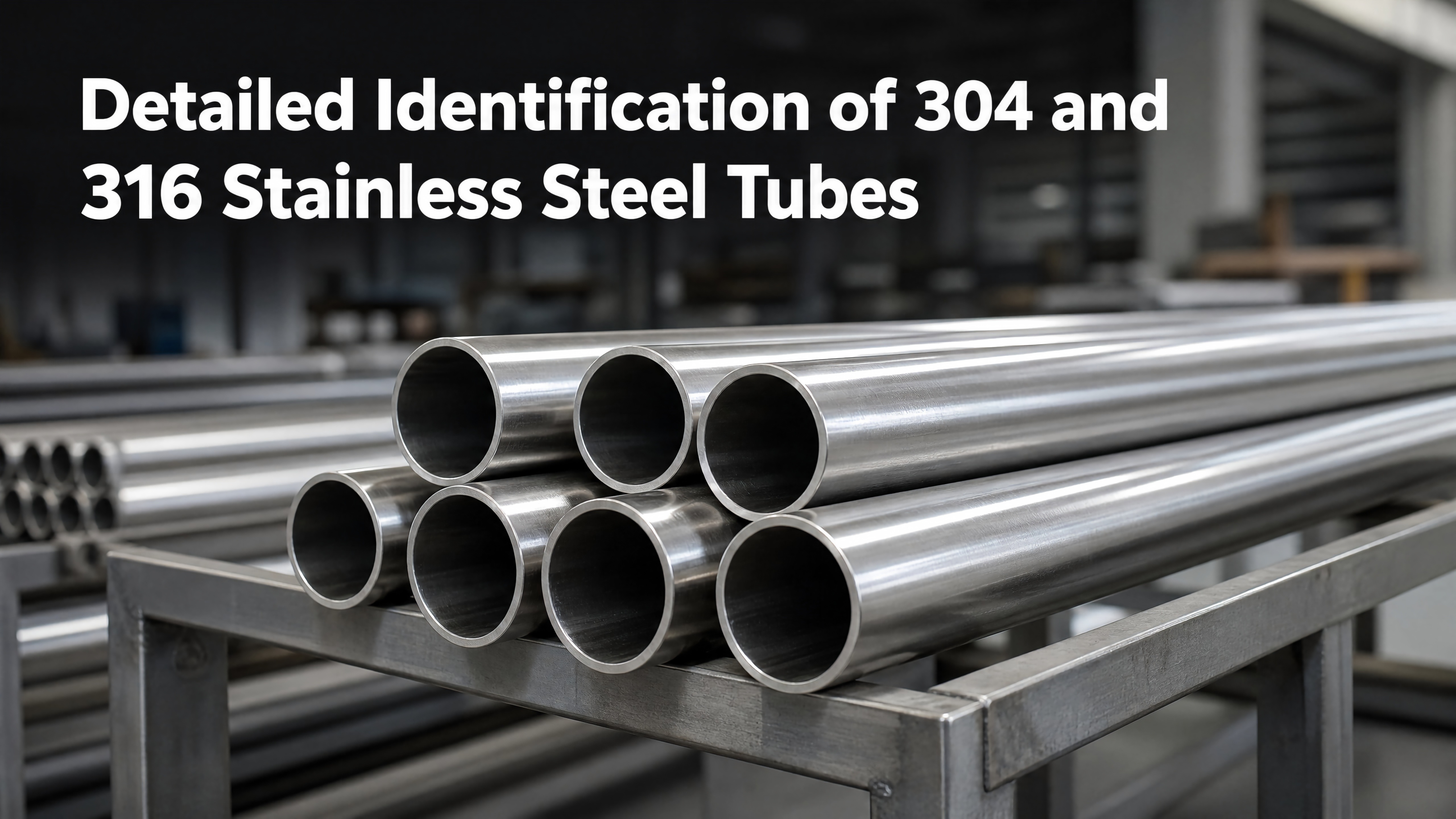
304 stainless steel sheet is classified as 18-8 austenitic stainless steel, with the national standard grade 06Cr19Ni10 and corresponding American standard AISI 304, manufactured in strict compliance with authoritative implementation standards GB/T 3280 and ASTM A240. It effectively resists weak corrosive media including air, water vapor and steam, delivering excellent rust resistance, alongside outstanding low-temperature stability and high compressive strength. It can readily undergo various processing procedures such as stamping, bending and welding, with overall performance far superior to that of ordinary economical stainless steel.
1. Standard Thickness Range
304 stainless steel sheets cover a wide thickness spectrum, with general common thickness ranging from 0.35mm to 65mm. Sheets measuring 0.35mm to 6mm are mostly cold-rolled thin sheets featuring high flatness and superior surface precision; sheets above 6mm are primarily hot-rolled thick plates designed for heavy industrial structures, meeting diverse demands of decoration, civil use and industrial equipment.
2. Main Surface Finishing Processes
A variety of mature surface finishing processes are available for 304 stainless steel sheets to fit different application scenarios. Common types include 8K mirror finish, 2B matte original finish, brushed grinding, titanium coating, rice grain embossing, oil brush coating and BA precision grinding coating, catering to varied requirements of high-end decoration, kitchen hardware, equipment housings and precision machining.
3. Core Material Composition and Performance Advantages
The premium performance of 304 stainless steel sheets stems from a stable ingredient ratio: chromium content 18%-20%, nickel content 8%-10.5%, carbon content ≤0.08%. The high chromium and nickel ratio grants the sheets strong rust resistance and mild acid corrosion resistance, enabling them to withstand temperatures up to 800°C without deformation or cracking under low-temperature conditions. Additionally, it qualifies as food-grade safe material with no harmful substance precipitation, ensuring compliant and safe usage.
4. Main Application Scenarios
Compared with 201 stainless steel sheets, 304 stainless steel sheets boast superior rust and corrosion resistance, making them especially suitable for humid southern regions and high-quality outdoor engineering projects. They are extensively applied in kitchen utensils, food processing equipment, medical devices, architectural decorative curtain walls, water supply and drainage pipeline systems, household hardware, general chemical equipment, water tanks and storage tanks. Its sole downside lies in higher raw material costs, resulting in a far higher market price than economical stainless steel sheets like 201.
II. Practical Identification Methods for 304 Stainless Steel Sheets
In line with universal industrial testing standards, three core practical identification methods for 304 stainless steel sheets are listed below in descending order of accuracy: chemical testing reagent inspection > grinding spark test > magnetic test. Combined with surface marking verification and professional instrument testing, they enable 100% accurate identification.
1. Ni8 Chemical Testing Reagent Inspection
The dedicated Ni8 testing reagent serves as a special detection tool for 304 stainless steel, featuring simple operation and intuitive results, ideal for rapid on-site verification during bulk procurement. Before testing, sand the sheet surface with sandpaper to remove coating, oil stains and oxide layers, preventing surface layers from interfering with test results.
Judgment criteria: Genuine high-quality 304 stainless steel sheets will slowly turn pale red upon contact with Ni8 testing reagent; non-304 materials such as 201 and 430 will quickly turn yellow or remain colorless, presenting an extremely distinct color difference. This method ranks as the most reliable identification approach for civilian and small-to-medium factories.
2. Grinding Spark Test
Grind the sheet edge with an angle grinder or surface grinder and observe the morphology of generated sparks to accurately distinguish material categories. High-manganese steel and manganese-nitrogen steel (mostly 201 counterfeit materials) produce streamlined sparks with dense, voluminous bursts and numerous branches after grinding. By contrast, genuine 304 chromium-nickel stainless steel generates short, uniform and regular sparks without bursts or messy branches during grinding.
3. Magnetic Test
304 stainless steel features an austenitic structure, presenting no magnetism or extremely weak magnetism in its original state, allowing a magnet to slide off naturally when lightly placed on the sheet. However, this method has limitations: cold processing procedures including bending, stamping and cutting transform the internal structure into martensite, generating slight magnetism and leading to potential misjudgment. Therefore, the magnetic test can only serve as an initial screening method and cannot independently confirm material authenticity.
4. Surface Marking Verification
304 stainless steel sheets produced by formal large manufacturers bear clear laser markings on the surface indicating exclusive grades such as SUS304, AISI304 and 06Cr19Ni10, alongside implementation standards, furnace numbers and specification parameters. The sheet edges are neatly cut free of burrs and delamination, with uniform and delicate surface textures. Counterfeit sheets usually lack exclusive markings or carry blurry lettering, paired with dull, rough surfaces and obvious edge defects.
5. Professional Instrument Testing
Handheld spectrometers can be adopted for acceptance of large-scale engineering and foreign trade orders, precisely reading chromium and nickel element content within 30 seconds. Sheets with nickel content reaching 8%-10.5% qualify as standard 304 plates. Suppliers can also be requested to provide original Mill Test Certificates (MTC) and SGS third-party test reports with traceable data, fully satisfying engineering acceptance and export standards.
Conclusion
Nature Steel specializes in the production and supply of stainless steel sheets. All its 304 stainless steel sheets strictly comply with the national standard material specification 06Cr19Ni10 with qualified chromium and nickel element ratios. The company provides full-series surface finish sheets including 2B, 8K mirror, brushed and embossed finishes, covering all cold-rolled and hot-rolled specifications with thickness ranging from 0.35mm to 65mm.
We use cookies to offer you a better browsing experience, analyze site traffic and personalize content. By using this site, you agree to our use of cookies.Privacy Policy