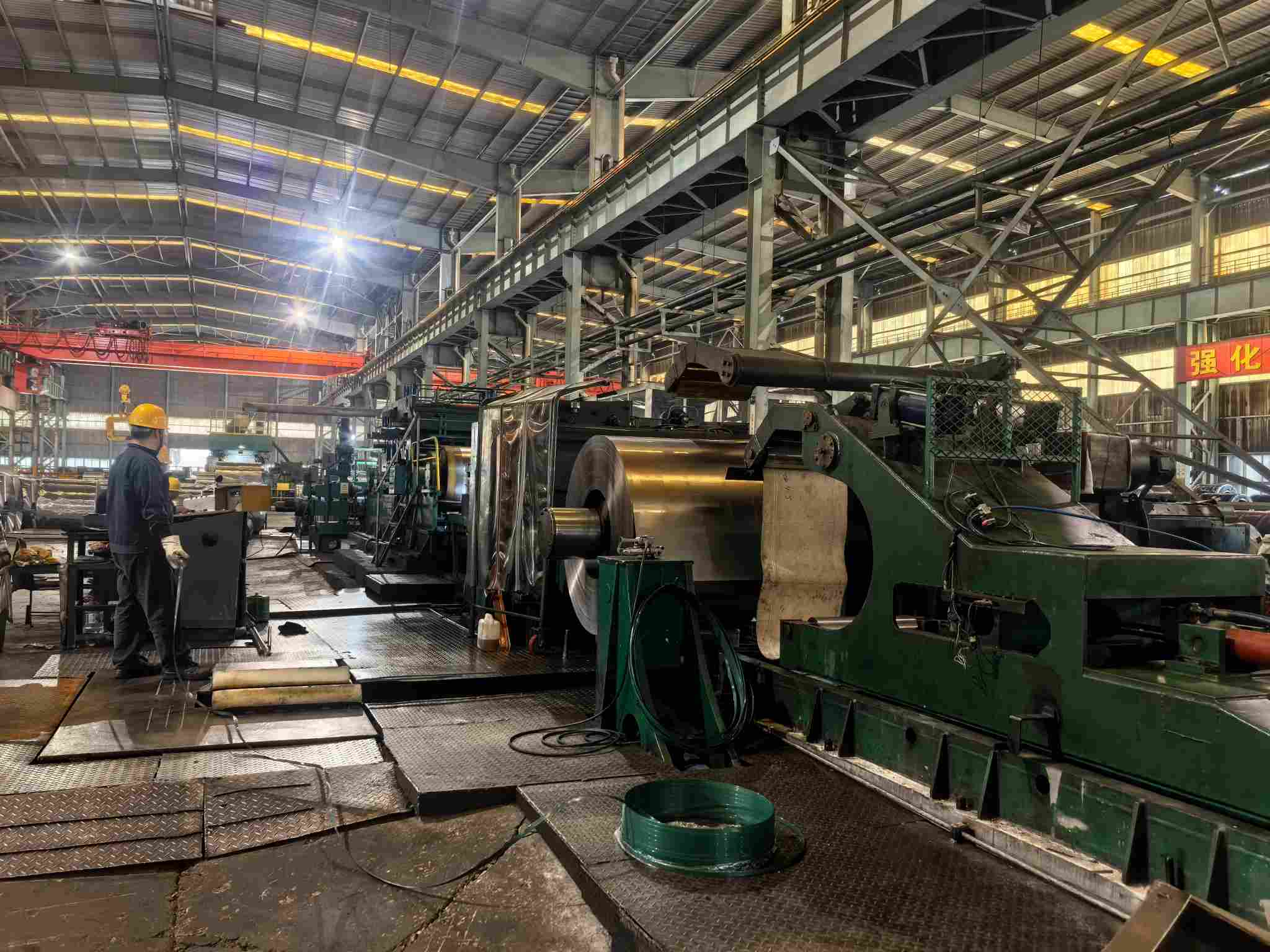
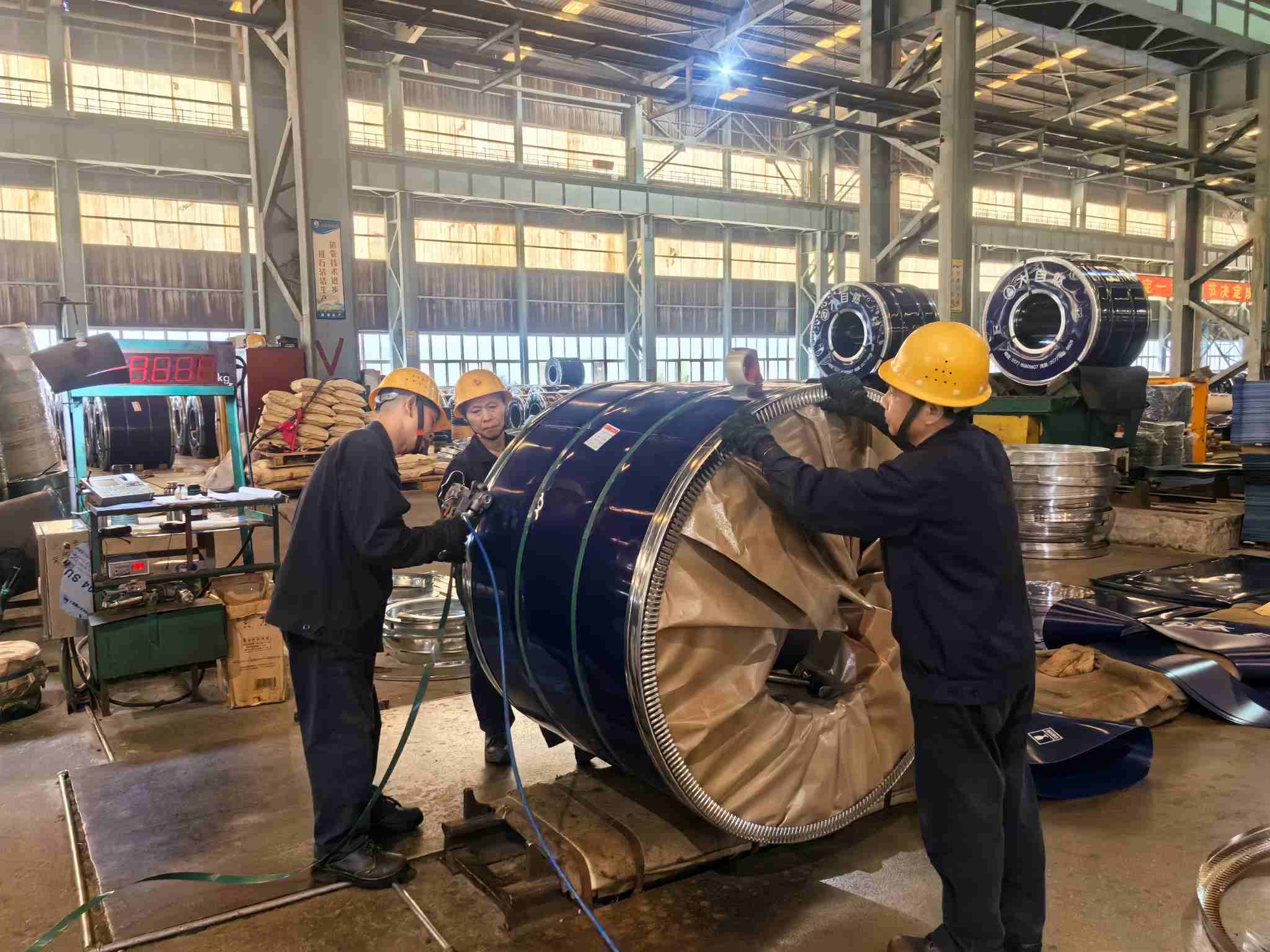
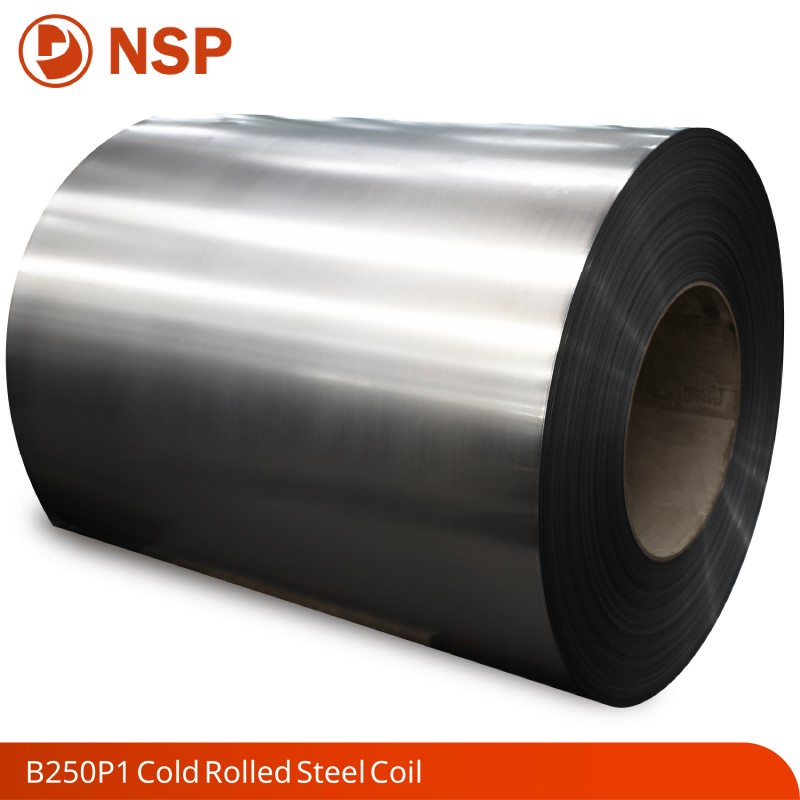
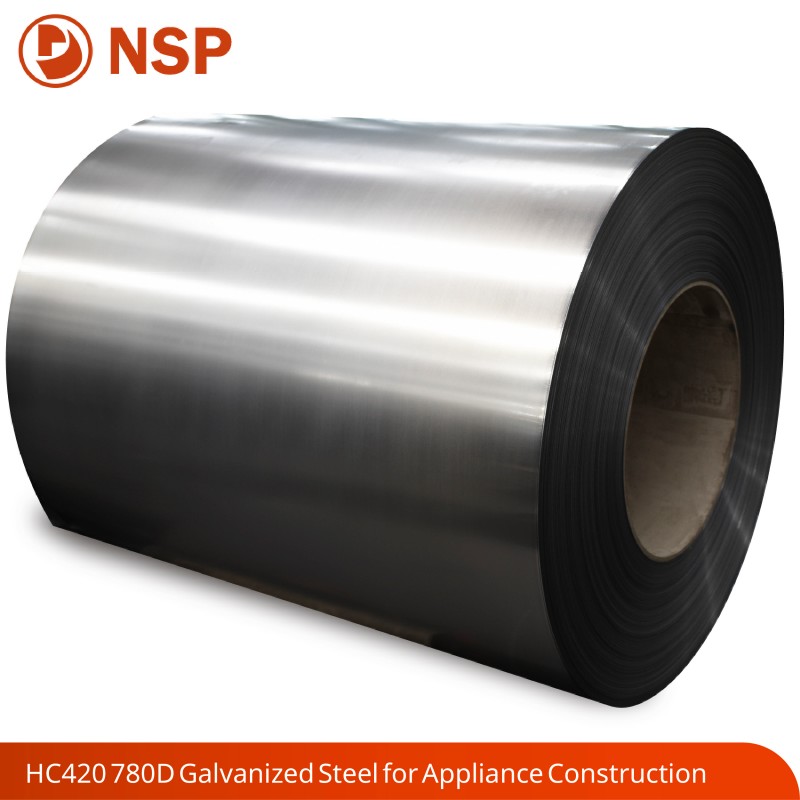
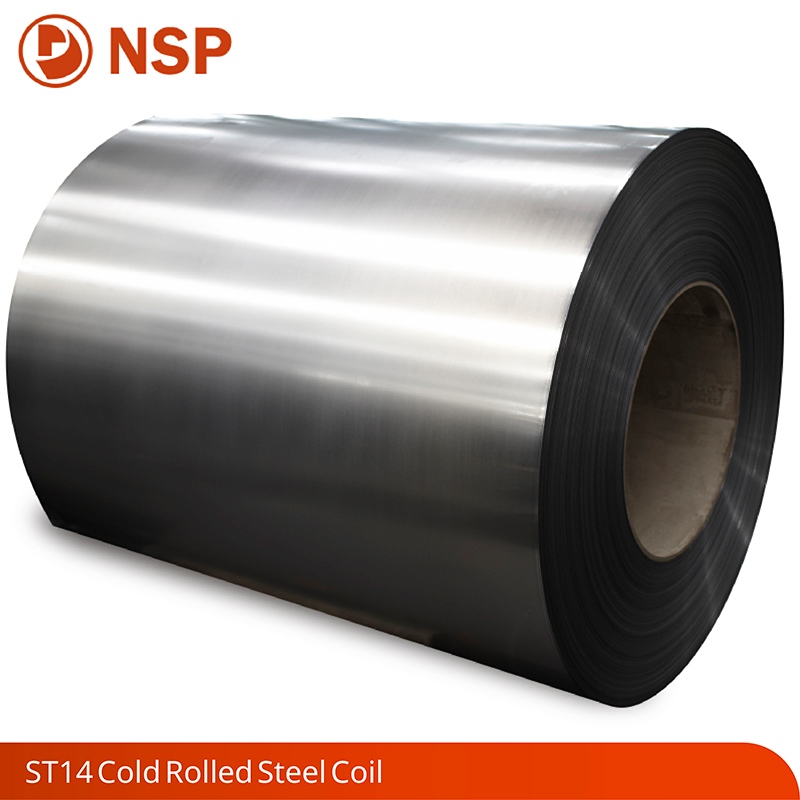
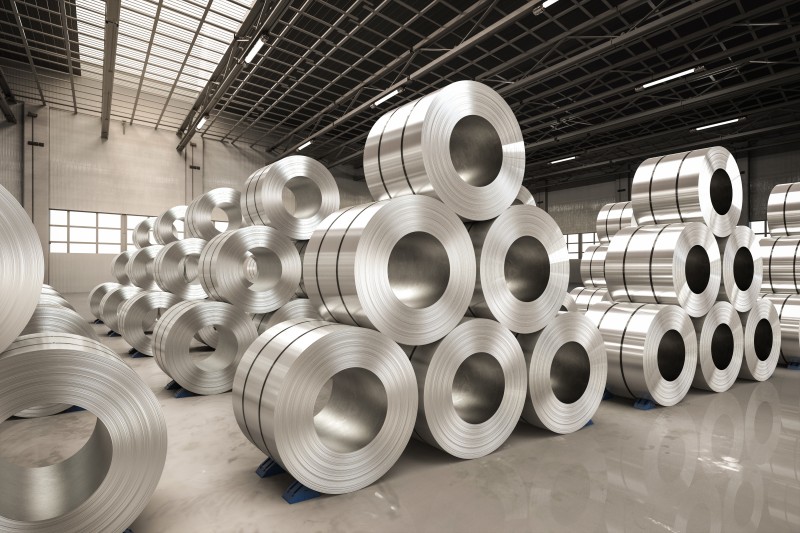
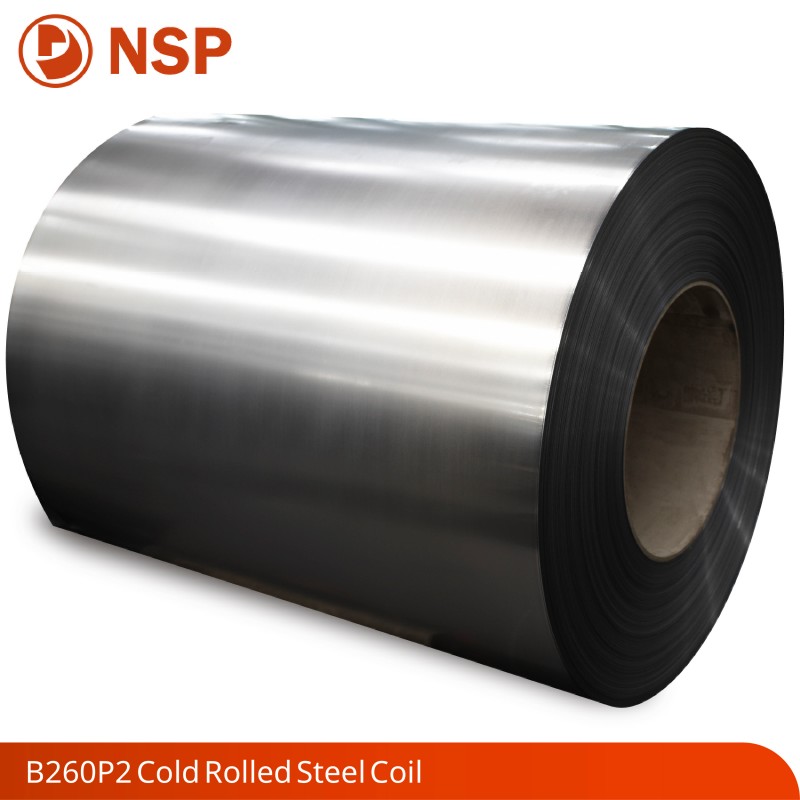
NatureSteel cold‑rolled coils are widely used in home appliance, automotive and hardware stamping industries. The core difference from hot‑rolled coils lies in sheet surface: hot‑rolled strips have scale, rough surfaces and large dimensional tolerances; cold‑rolled strips undergo multi‑pass rolling at room temperature, delivering clean, smooth surfaces and precise dimensions.
Surface defects constitute critical hazards for cold‑rolled coils. Roll marks, scratches, yellowish stains, coil blocking and other defects may result in stamping part rejection and paint craters in mild cases, or full‑batch rejection in severe cases. Some defects remain latent upon delivery and emerge only during stamping, easily triggering liability disputes.
This document helps users identify defects, trace corresponding production processes, judge quality against standards, and implement preventive controls from production lines to sea‑freight packaging. It serves as a reference for procurement personnel, quality inspectors and relevant engineers.
Surface quality is not merely an aesthetic concern; its impacts propagate down the whole production chain.
First stage: Stamping. Slivers (internal inclusions exposed on the surface) act as initiation points for stamping cracking. Edge micro‑cracks propagate into fractures during deep drawing. Wavy sheets with poor flatness cause unstable positioning inside dies and lead to out‑of‑tolerance part dimensions.
Second stage: Coating and electroplating. Residual oil causes paint craters and electrophoresis pinholes. Roll marks and scratches are magnified into visible mottling after electroplating. Oxide tint (yellowish stains) directly impairs adhesion for enameling and color coating.
Third stage: After‑sales. For appearance‑critical components such as home appliance panels and automotive inner panels, surface defects directly result in finished‑product appearance complaints. At this stage, losses extend beyond a single batch of sheets to finished‑product costs and delivery schedules.
Hence a consensus prevails in the industry: steel grade and thickness set the lower performance limit for cold‑rolled coils, while surface quality sets the upper limit for finished products. Clearly specifying surface grades at the time of order placement is far more cost‑effective than post‑facto disputes.
Defects are grouped by the production stage in which they originate: defects introduced in the rolling process, defects introduced in annealing and pickling processes, and defects introduced during storage and transportation. This classification enables direct trace‑back to responsible processes upon defect observation.
Each defect is described in a unified format: Appearance Characteristics → Causes → Downstream Impacts → Reference Acceptance Criteria.
#### Thickness Deviation along Strip
#### Yellowish Staining / Oxide Tint
| Defect | Responsible Process | Typical Causes | Permitted for FB Grade | Permitted for FC/FD Grade |
|---|---|---|---|---|
| Edge Cracking | Rolling / incoming material | Excessive edge stress | Not permitted | Not permitted |
| Waviness | Rolling | Improper roll crown / tension | Not permitted if out‑of‑tolerance | Not permitted if out‑of‑tolerance |
| Roll Marks | Rolling | Roll‑surface damage / foreign matter | Minor permitted | Not permitted |
| Scratches | Rolling / slitting | Foreign matter on roller paths | Minor permitted | Not permitted |
| Thickness Deviation along Strip | Rolling | AGC control deviation | Not permitted if out‑of‑tolerance | Not permitted if out‑of‑tolerance |
| Slivers | Steelmaking / continuous casting | Inclusions | Not permitted | Not permitted |
| Yellowish Staining | Annealing | Residual oil / poor atmosphere | Minor permitted | Not permitted |
| Coil Blocking | Annealing | Improper temperature / tension | Not permitted | Not permitted |
| Overpickling Pits | Pickling | Out‑of‑control pickling | Minor permitted | Not permitted |
| Lüders Lines | Material property | Yield plateau / ageing | Not a defect, subject to storage‑period constraints | Not a defect, with shorter allowable storage periods |
| Oil Residue | Degreasing / skin‑pass | Inadequate degreasing | Not permitted | Not permitted |
| Water‑Stain Rust | Storage & transportation | Moisture / damaged packaging | Not permitted (exceptions for expired anti‑rust validity) |
Not permitted |
Side‑light Visual Inspection. The most critical surface‑checking technique. Unroll sheets meter by meter under low‑angle side‑light within 45 degrees. Waviness, roll marks and faint scratches become prominent under side‑light, while many defects remain invisible under direct frontal illumination — a common blind spot for receiving parties. Give priority to the 50‑millimeter edge zone, where edge cracking and burrs frequently occur.
Tactile Assessment. Slide fingernails across surface textures: roll marks produce periodic drag; scratches produce continuous drag. Slivers exhibit tactile characteristics close to ordinary scratches; identification requires combining location (mostly at coil heads / tails) and subsequent stamping performance.
Instrument Measurement. Use portable thickness gauges to sample thickness at coil head, mid‑coil and coil tail for thickness‑variation checks. Use straightedges plus feeler gauges for warpage measurement. Where available, measure Ra roughness values via roughness testers (roughness constitutes a core indicator for surface grades, with test procedures specified in standards). Thickness‑gauge sampling points must cover full strip width rather than only the central zone.
Packaging and Mark Inspection. First check anti‑rust packaging integrity and legibility of shipping marks upon container opening (coil number, steel grade, dimensions, surface grade, weight, production date). Suspect transportation‑induced surface defects for any packaging damage.
1. Inspect packaging: Check integrity of anti‑rust paper / films, edge protectors, binding straps and steel sheathing; look for water‑exposure traces.
2. Verify markings: Confirm coil number, steel grade, dimensions, surface grade and production date match purchase orders and Mill Test Certificates (MTC).
3. Full‑coverage side‑light inspection: Examine sheet surfaces meter by meter under 45‑degree side‑light, focusing on 50‑mm edge zones.
4. Random tactile sampling: Drag fingernails across three random locations to differentiate roll marks, scratches and slivers.
5. Thickness spot‑check: Take measurements at coil head, mid‑coil and coil tail and record thickness variation along strip length.
6. Warpage measurement: Measure free‑state warpage on a one‑meter sheet segment.
7. Documentation and sampling: Photograph defective areas with scale references and retain 300‑millimeter defective sample segments as liability‑assessment evidence.
8. Grade cross‑reference: Compare observations against surface‑grade clauses in Chapter IV and draw conclusions: Accept / Conditional Acceptance / Rejection.
Previous sections cover defect identification for post‑occurrence handling. This chapter describes factory‑side preventive controls. Surface defects are essentially process‑rooted problems. Defect identification falls to downstream users, while defect prevention belongs to production lines.
Pickling Section: Five‑stage pickling plus electrolytic degreasing. Complete scale removal is prerequisite for clean cold‑rolled surfaces. Over‑pickling generates pits; under‑pickling leaves pressed‑in scale. Electrolytic degreasing mitigates residual‑oil risks directly linked to yellowish stains and paint craters.
Rolling Section: Six‑high reversing mill with digital control systems. Closed‑loop plate‑shape control and precise pass‑reduction allocation form core controls for waviness, edge cracking and longitudinal thickness deviation. Siemens and ABB numerical‑control systems deliver thickness tolerances down to ±0.03 mm, meeting Special Precision Class under EN 10131. Minimum rolling thickness reaches 0.15 mm. Roll surfaces undergo scheduled inspections to detect roll‑surface damage and foreign substances before imprint transfer onto sheets. Roll marks are defects readily eliminated through roll inspection routines.
Annealing Section: Bright hydrogen annealing. Hydrogen‑rich protective atmospheres prevent surface oxidation and yellow discoloration, eliminating oxide tint at source. Annealing temperatures and coiling tensions are segmented according to coil weight and plate shape to avoid coil blocking.
Skin‑Pass Section: Controlled elongation ranging from 0.5 % to 1.5 %. Skin‑pass rolling within this range eliminates yield plateaus and improves plate shape. Insufficient skin‑pass elongation fails to suppress Lüders lines; excessive elongation degrades plate shape and reduces surface roughness. Balancing these parameters constitutes a core skin‑pass‑process requirement.
Finishing and Packaging Section: Burr‑free slitting and sea‑freight‑oriented packaging. Slitting operations control burr height to prevent cut‑edge scratching. Finished coils are wrapped with VCI volatile corrosion‑inhibitor films, fitted with edge protectors, secured with steel straps and moisture‑proof treated for high‑salinity, high‑humidity marine transit. Most port‑arrival disputes over water‑stain rust can be avoided by robust packaging.
Inspection Section: Three‑tier inspection gates. Incoming hot‑rolled‑coil inspection; in‑process inspection after pickling, annealing and skin‑pass rolling; pre‑shipment inspection combining surface sampling and dimensional measurement. Sample segments and test records are retained for each batch, and Mill Test Certificates (MTC) accompany deliveries. Any quality incident can be traced back to specific processes and production time windows, providing robust evidence for liability assessment.
In short: Surface defects are not "uncovered via inspection". They are either "manufactured" or "prevented". Inspection validates process performance rather than acting as a last‑resort safety net.
Cold‑rolled‑coil surface‑defect identification relies on a combination of process knowledge, standards and field experience. This document compiles multiple defect types, acceptance checklists and liability‑assessment frameworks for reference during inspections. NatureSteel possesses extensive cold‑rolling expertise and implements full‑process surface‑quality controls. VCI anti‑rust packaging stabilizes coil conditions throughout marine shipment. For steel‑grade specifications (e.g. DC01, SPCC), surface‑grade consultation or quotation requests, please feel free to contact us.
Address:No. 696, Binhai 12th RoadBinhai Industrial Park, Wenzhou Economic & Technological Development ZoneWenzhou, Zhejiang Province, P.R.China
Copyright © 2026 Nature Steel Group Co., Ltd. All rights reserved. Links| Sitemap| RSS| XML| Privacy Policy