News

What Are the Production Processes of Stainless Steel Coils How to Properly Store and Maintain Them?

2026-09-08 0 Leave me a message

Nature Steel Group Co., Ltd.Boasting outstanding corrosion resistance, stable mechanical properties and fine surface texture, stainless steel coils are widely used in architectural decoration, automobile manufacturing, home appliance production, chemical equipment, precision hardware and other fields, serving as core basic materials for modern industry and the decoration sector.


Nevertheless, many purchasers only focus on material grade and price while overlooking two critical factors: production processes determine product quality, and storage‑maintenance determines service life. Different rolling and finishing processes directly affect the precision, hardness and rust resistance of stainless steel coils; standardized storage, transportation and maintenance practices can effectively prevent material deformation, rusting and surface scratches.


Combining practical industry experience, this paper comprehensively analyzes the complete production processes of stainless steel coils, and popularizes professional specifications for storage, transportation and maintenance as well as industry‑market trends, helping customers accurately control product quality and service cycles.

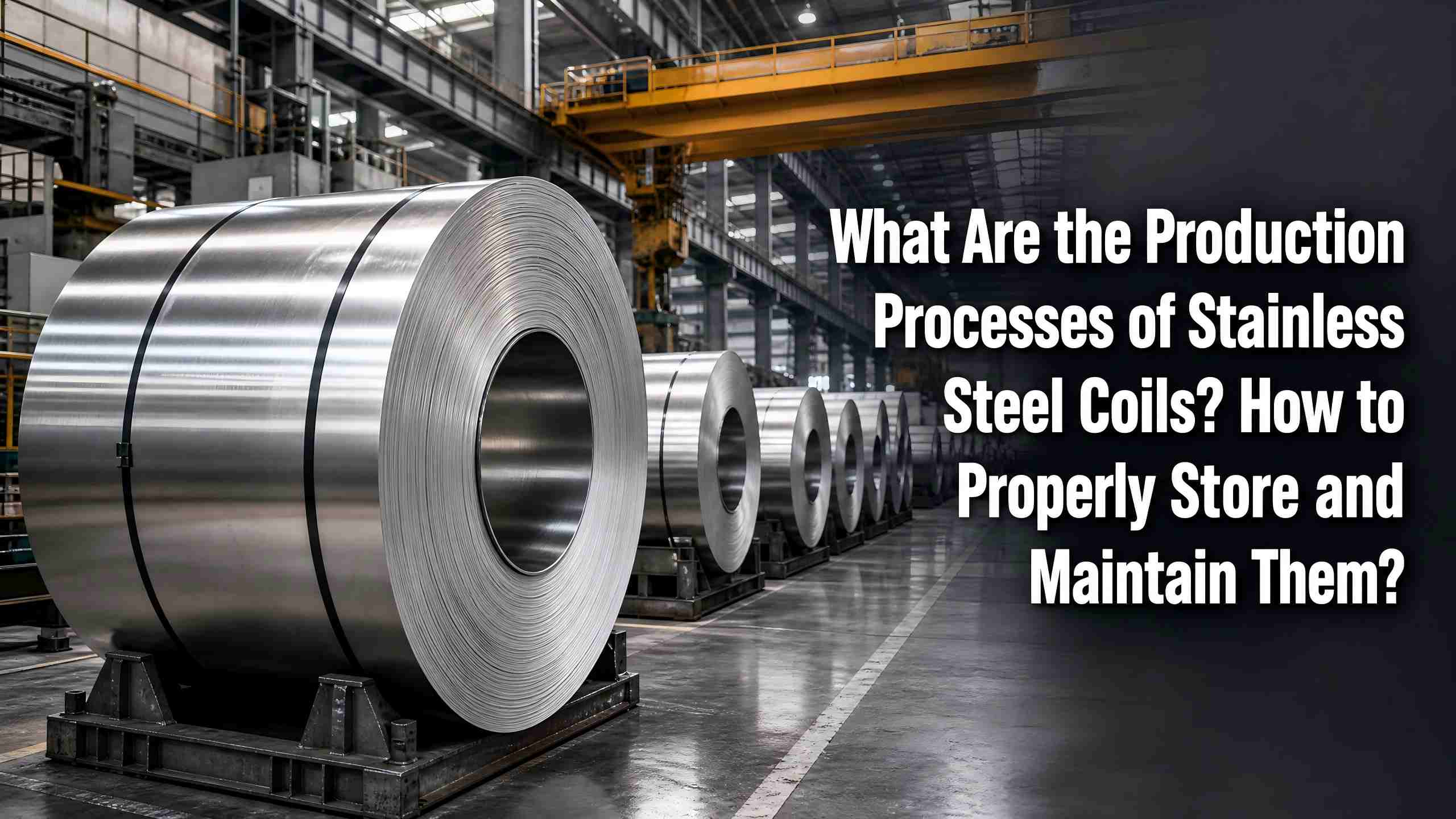
Stainless Steel Coil Production

I. Detailed Explanation of Complete Production Processes for Stainless Steel Coils


The production flow of stainless steel coils is rigorous and complex. From raw‑material smelting to finished‑product delivery, each procedure is vital to finished‑product quality. The core production procedures cover eight links: raw‑material smelting and continuous casting, hot‑roll forming, cold‑roll finishing, annealing treatment, pickling purification, surface finishing, custom slitting, and quality inspection and packaging. High‑quality stainless steel coils can only be produced through multi‑level quality control.


1. Raw‑Material Smelting and Continuous Casting


The first production step is raw‑material smelting. Factories blend stainless steel scrap, chromium, nickel, manganese and other alloy raw materials in precise proportions. Initial melting is completed via electric‑arc furnaces, followed by purification using AOD (Argon‑Oxygen Decarburization) refining furnaces and VOD (Vacuum Oxygen Decarburization) refining furnaces. This procedure precisely controls carbon content, impurity content and alloy ratios of steel, differentiating material grades such as 201, 304, 316 and 430 at the source, and guaranteeing the fundamental rust resistance and structural stability of stainless steel. Purified molten steel is poured into uniform, thick stainless steel slabs through continuous‑casting equipment, supplying qualified blanks for subsequent rolling processing.


2. Hot‑Rolling Process


Formed stainless steel slabs are sent into high‑temperature heating furnaces and heated above 1100 °C for softening to improve steel plasticity. They are then repeatedly rolled by multi‑stand hot‑rolling mills to roll thick slabs into standard hot‑rolled stainless steel coils. Hot‑rolled finished products are mostly 2.0 mm‑14.0 mm thick, featuring high overall strength and good load‑bearing capacity. Their only shortcoming is a rough surface covered with oxide scale. Such products can be directly applied to heavy‑duty steel structures, chemical storage tanks and other industrial scenarios, and also act as core raw materials for cold‑rolled stainless steel coils.


3. Cold‑Rolling Process


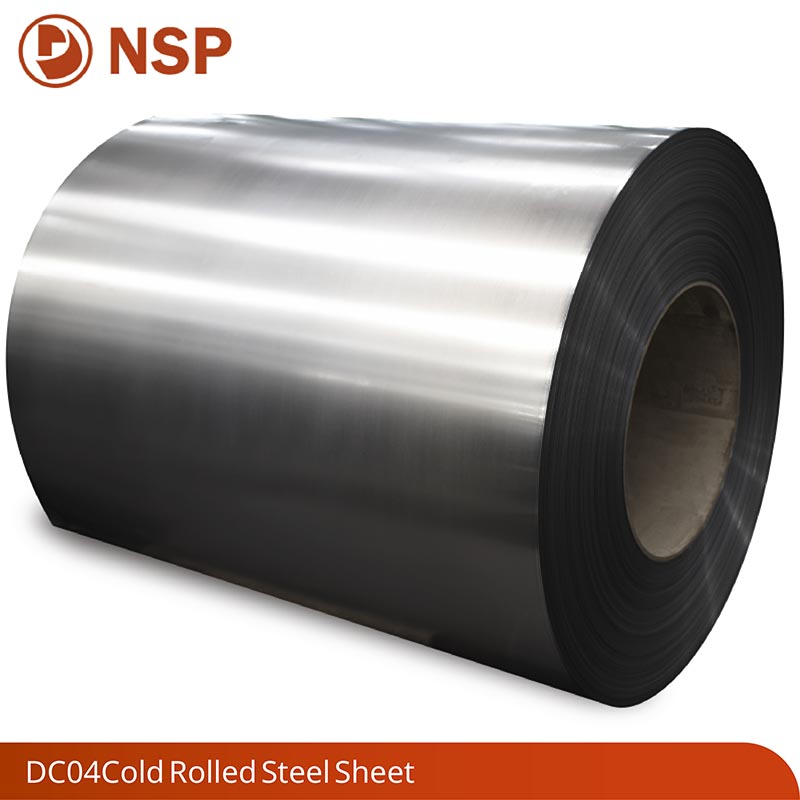
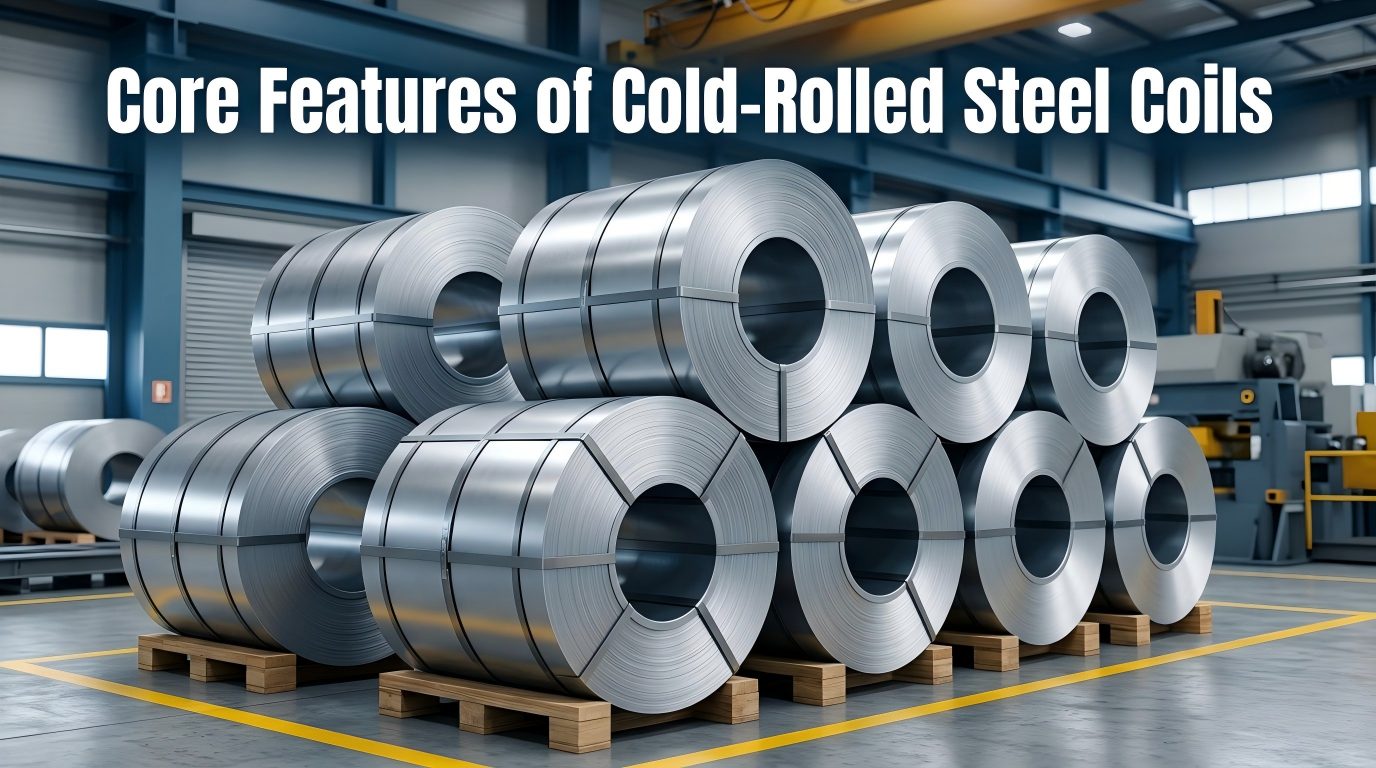
Cold‑rolling is a key process for manufacturing high‑grade stainless steel coils. Using pickled hot‑rolled coils as raw materials, rolling proceeds entirely at ambient temperature without high‑temperature heating. Multiple passes of rolling by high‑precision cold‑rolling mills process steel into ultra‑thin gauges ranging from 0.1 mm to 3.0 mm, yielding finished coils with uniform thickness, good flatness and accurate dimensional tolerances.


Stainless steel coils processed by cold‑rolling feature smooth, fine surfaces with greatly improved hardness and tensile strength, suitable for kitchen‑bath products, electronic components, precision hardware, decorative panels and other high‑end applications. However, cold‑rolling generates internal stress within steel, reducing ductility and hardening the material. Subsequent annealing is required to optimize material performance.


4. Annealing Treatment


Annealing is an indispensable core procedure in stainless‑steel‑coil production, mainly used to eliminate internal stress produced during cold‑rolling. Cold‑rolled steel coils are fed into dedicated annealing furnaces, subjected to constant‑temperature heating and slow cooling under inert protective atmosphere. This effectively restores steel ductility and toughness and avoids cracking and deformation during subsequent bending, stamping and cutting operations.


Two mainstream types are conventional annealing and bright annealing. Bright annealing delivers uniformly bright silver surfaces on stainless steel coils without oxidation and blackening, making it an essential process for high‑grade decorative steel.


5. Pickling Process


After high‑temperature rolling and annealing, steel surfaces develop black oxide scale, oil stains and contaminants, which severely impair appearance and rust resistance. In the pickling procedure, professionally compounded mixed acid solution thoroughly removes oxide layers and contaminants from coil surfaces, revealing the clean, uniform metallic base of stainless steel, and substantially improving material corrosion resistance and the outcome of subsequent surface processing.


6. Surface Finishing


According to customer application requirements, semi‑finished products after annealing and pickling undergo custom surface finishing to produce finished goods with varied textures and brightness for diverse application scenarios. Mainstream finished‑product grades on the market include: general‑industrial NO.1 hot‑rolled matte finish, cost‑effective 2B cold‑rolled fine finish, high‑gloss mirror‑like BA bright finish, and decoration‑specific NO.4 / HL brushed finish, realized via grinding, polishing, wire‑drawing and other equipment.


7. Slitting and Edge Trimming


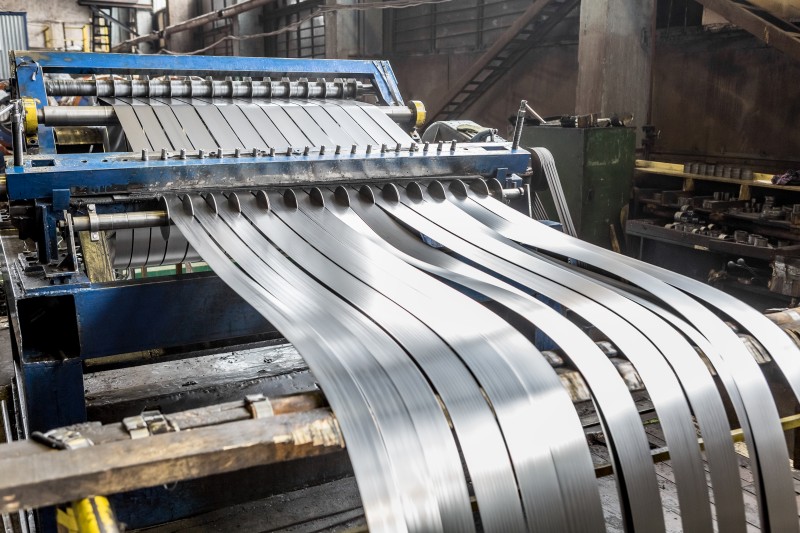
Original factory stainless steel coils are wide‑width master coils that require slitting per order specifications. High‑precision slitting equipment cuts coils to customer‑specified widths while completing edge‑trimming and deburring to eliminate sharp edges and burr defects. This prevents equipment scratching and sheet cracking during downstream processing; some high‑end products additionally receive edge‑rounding treatment.


8. Quality Inspection, Packaging and Shipment


Prior to factory release, finished products undergo comprehensive quality inspection covering dimensional tolerances, surface defects, mechanical properties, corrosion resistance, material composition and other indicators, with strict screening to select qualified products. Compliant stainless steel coils are multi‑layer‑protected with moisture‑proof paper, protective iron sheets and steel‑band strapping to prevent scratches, moisture ingress and rust during transportation and warehousing.

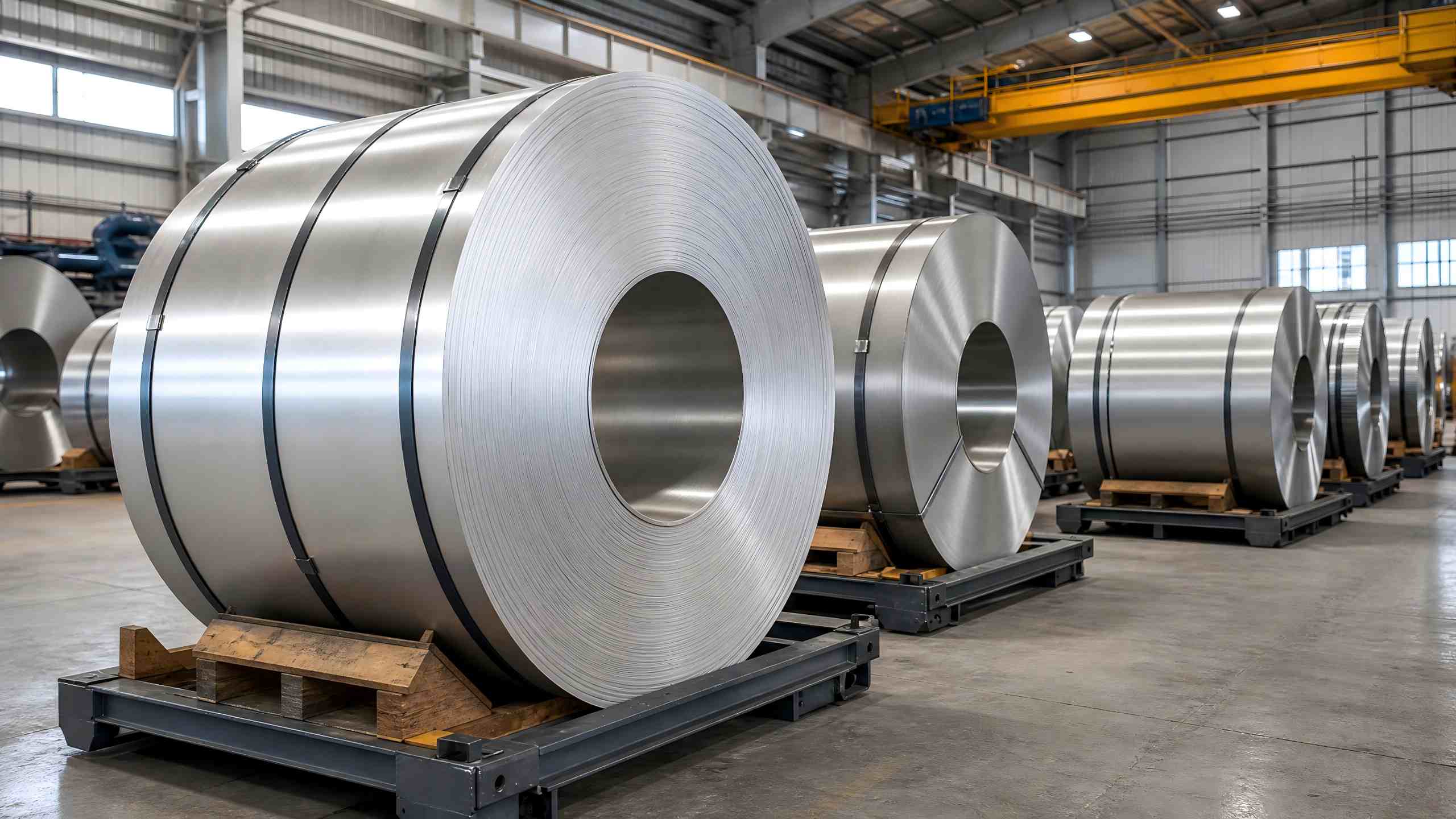
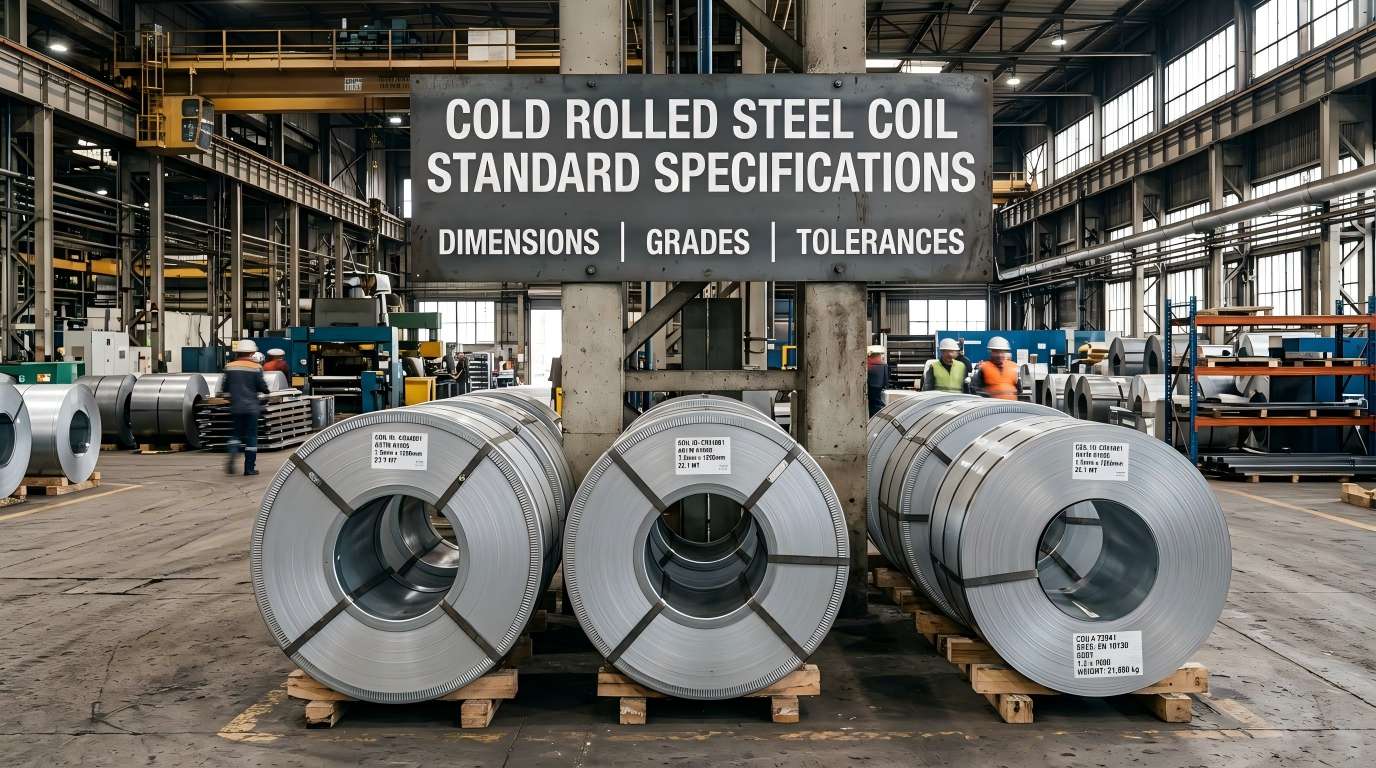
Stainless Steel Coil Warehouse

II. Correct Storage Methods for Stainless Steel Coils


The performance of stainless steel coils is not permanently stable. Improper storage conditions easily cause rusting, deformation and surface contamination, directly affecting service performance. To extend service life, standardized storage practices must be followed.


1. Storage‑Environment Requirements


Stainless steel coils should preferably be stored in dry, ventilated, clean indoor warehouses, kept away from rain, humid moisture, acids, alkalis and corrosive gases — this is the foundation for safeguarding coil quality. Long‑term exposure to humid, enclosed environments readily produces oxidation spots and surface rust on stainless steel, damaging its original rust‑proof layer.


If temporary outdoor storage is unavoidable due to project‑schedule constraints, steel coils shall be fully and tightly wrapped with heavy‑duty waterproof tarpaulins for sealed moisture‑proof treatment to prevent rainwater, dust and contaminants from contacting surfaces. Outdoor storage duration shall be kept short.


2. Standard Stacking Practices


Strict standards govern stainless‑steel‑coil stacking; random piling and compression are prohibited. Wooden or rubber spacers shall separate each coil during storage to avoid direct steel‑to‑steel friction and effectively prevent surface scratches and compression dents. Coils shall be placed horizontally; tilting and vertical standing are forbidden, to avoid coil deformation and loose coils caused by long‑term gravitational compression that would impair dimensional accuracy.


III. Transportation and Routine‑Maintenance Tips for Stainless Steel Coils


1. Transportation and Loading‑Unloading Specifications


Featuring high‑precision surfaces and susceptibility to damage, stainless steel coils require robust protection during transportation, loading and unloading. Special hoisting equipment and protective tooling must be used for handling. Steel wire ropes shall not make direct contact with coil surfaces to avoid collisions and friction that cause surface damage, corner chipping and surface scratches. All operations shall use gentle hoisting and placement; throwing and dragging are prohibited to preserve coil integrity.


2. Routine Cleaning and Maintenance


For long‑stored stainless steel coils, periodic inspections shall be carried out to timely detect rusting, contamination, deformation and other issues. For light dust and stains on surfaces, wipe with soft cloth and neutral detergent. Chlorine‑containing cleaners as well as strong‑acid and strong‑alkali cleaning agents are strictly prohibited; such cleaners damage the passivation layer of stainless steel, drastically reducing corrosion resistance and leading to extensive rusting at a later stage.


IV. Application Fields and Market Trends


1. Main Application Scenarios


With advantages of corrosion resistance, high strength, easy processability and attractive appearance, stainless steel coils find extremely wide applications, mainly covering architectural decoration, automobile manufacturing, household appliances, chemical equipment, precision hardware, kitchen‑bath manufacturing, elevator decoration and many other industries. They represent essential materials for industrial production and home‑improvement projects.


2. Industry‑Market Development Trends


Continuous upgrading of downstream processing technologies drives rising market quality requirements for stainless steel coils. Market demand for ultra‑thin, high‑precision, high‑strength stainless steel coils increases year‑on‑year. Meanwhile, driven by environmental‑protection policies, eco‑friendly, low‑energy‑consumption stainless steel production processes have become mainstream. Environment‑friendly stainless steel coils and high‑grade special‑alloy stainless steel coils will constitute core future industry‑development trends with promising market prospects.


Summary


Superior quality of stainless steel coils stems from standardized production processes and scientific storage‑maintenance schemes. Every procedure — smelting, hot‑rolling, cold‑rolling, annealing‑pickling, finishing, slitting through to shipment — determines fundamental material performance. Standardized storage, transportation and routine maintenance are critical to extending service life and stabilizing operational performance.


Nature Steel Group consistently exercises strict quality control via standardized processes and ensures delivery through professional warehouse management, helping customers maximize material performance, reduce losses and cut costs to satisfy diverse high‑end‑engineering and industrial‑production requirements.


Related News
Leave me a message
X
We use cookies to offer you a better browsing experience, analyze site traffic and personalize content. By using this site, you agree to our use of cookies.Privacy Policy
RejectAccept