Stay updated with Nature Steel. Read about our latest technical innovations, market trends in the steel industry, and company milestones. Explore how we stay ahead in China’s competitive steel manufacturing sector.
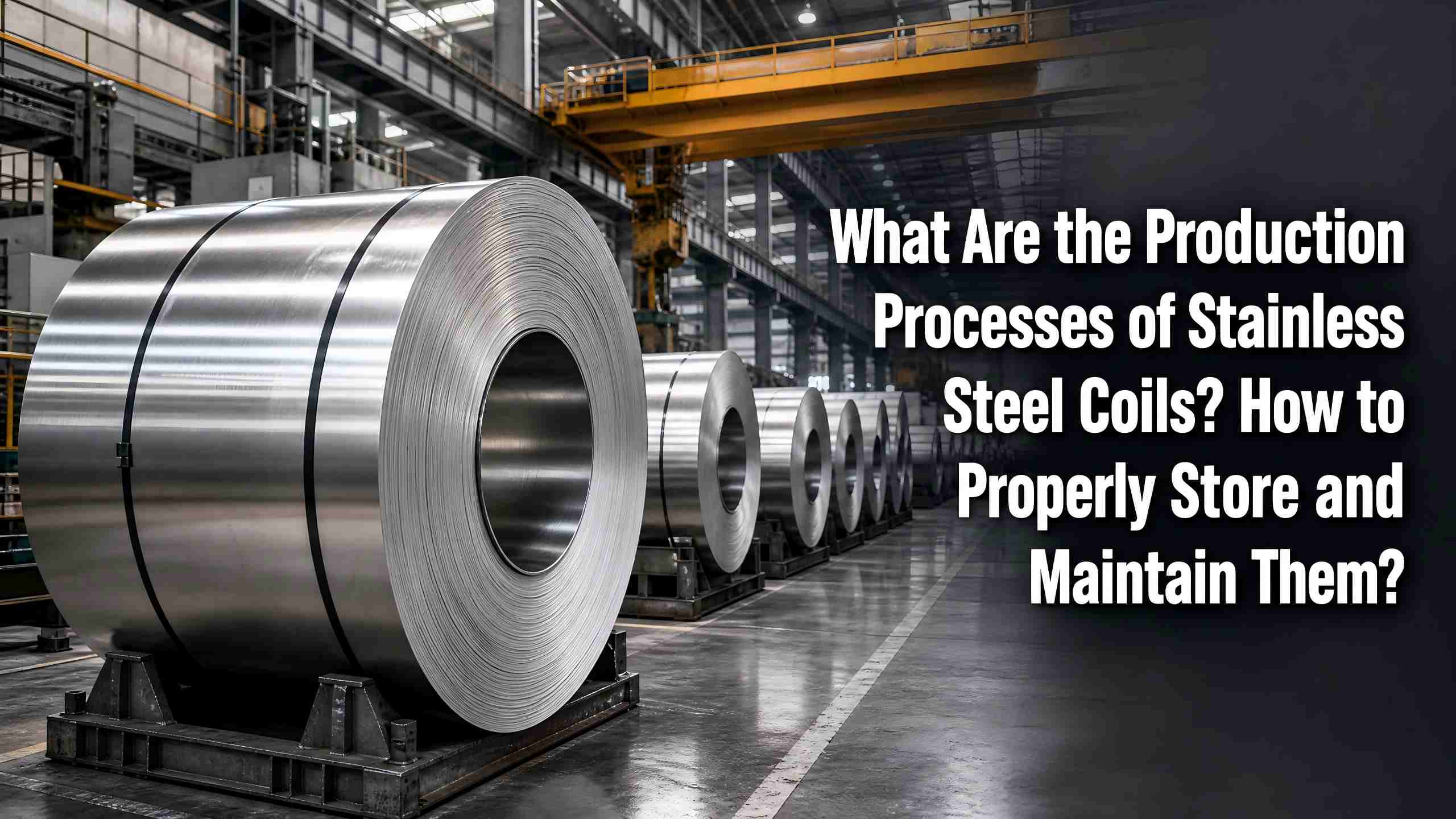
Cold rolled coil (CRC) is a high-precision steel material widely used in the industrial sector, serving core industries including manufacturing, construction, automobile production and home appliance manufacturing. As a professional steel supplier with years of experience in cold rolled steel production and supply, Nature Steel fully understands the key concerns of industry practitioners and procurement personnel: how exactly are cold rolled coils manufactured?
With outstanding anti-corrosion performance, galvanized steel sheets are widely applied in construction engineering, automotive parts, electrical enclosures, outdoor hardware, steel wire products and other fields. During procurement and processing, most people only focus on galvanized coating thickness and surface quality, yet overlook the significance of hardness standards for galvanized steel sheets. The hardness of steel sheets directly affects bending, stamping forming performance and structural bearing capacity. Improper material selection may lead to cracking, deformation, insufficient wear resistance and other defects. This article briefly elaborates on hardness classification, testing standards, influencing factors and material selection tips for galvanized steel.
For steel purchasers, manufacturers and engineering technicians, accurately distinguishing cold rolled steel coil (CRC) from hot rolled steel coil (HRC) is critical to guaranteeing finished product quality, controlling costs and avoiding scrap. Though both are derived from the same raw material, they differ drastically in production process, performance and application. For this reason, Nature Steel has launched this selection guide to comprehensively analyze their core differences, advantages and disadvantages, and provide practical material selection standards, assisting enterprises in making precise decisions for bulk procurement and production projects.
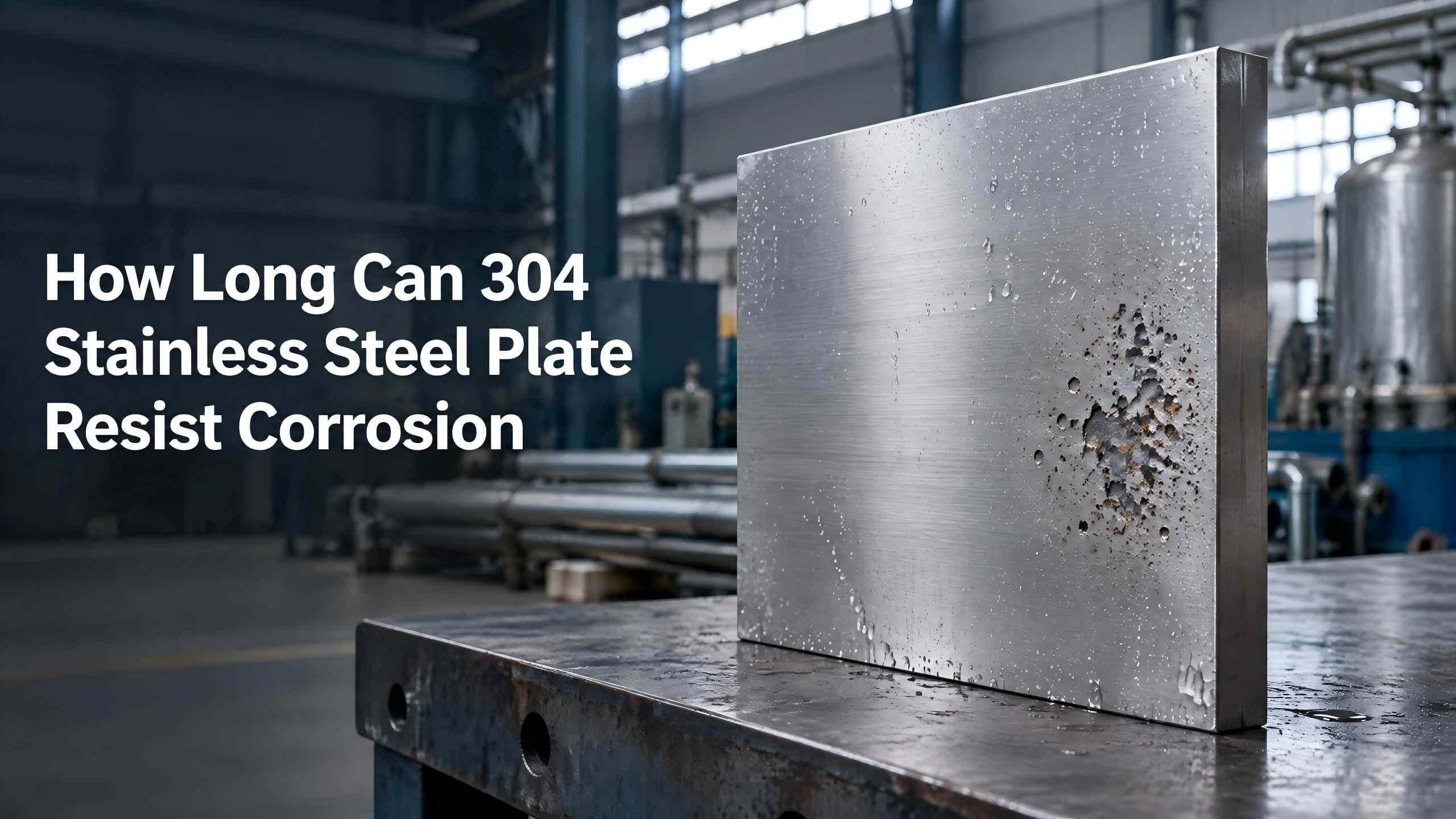
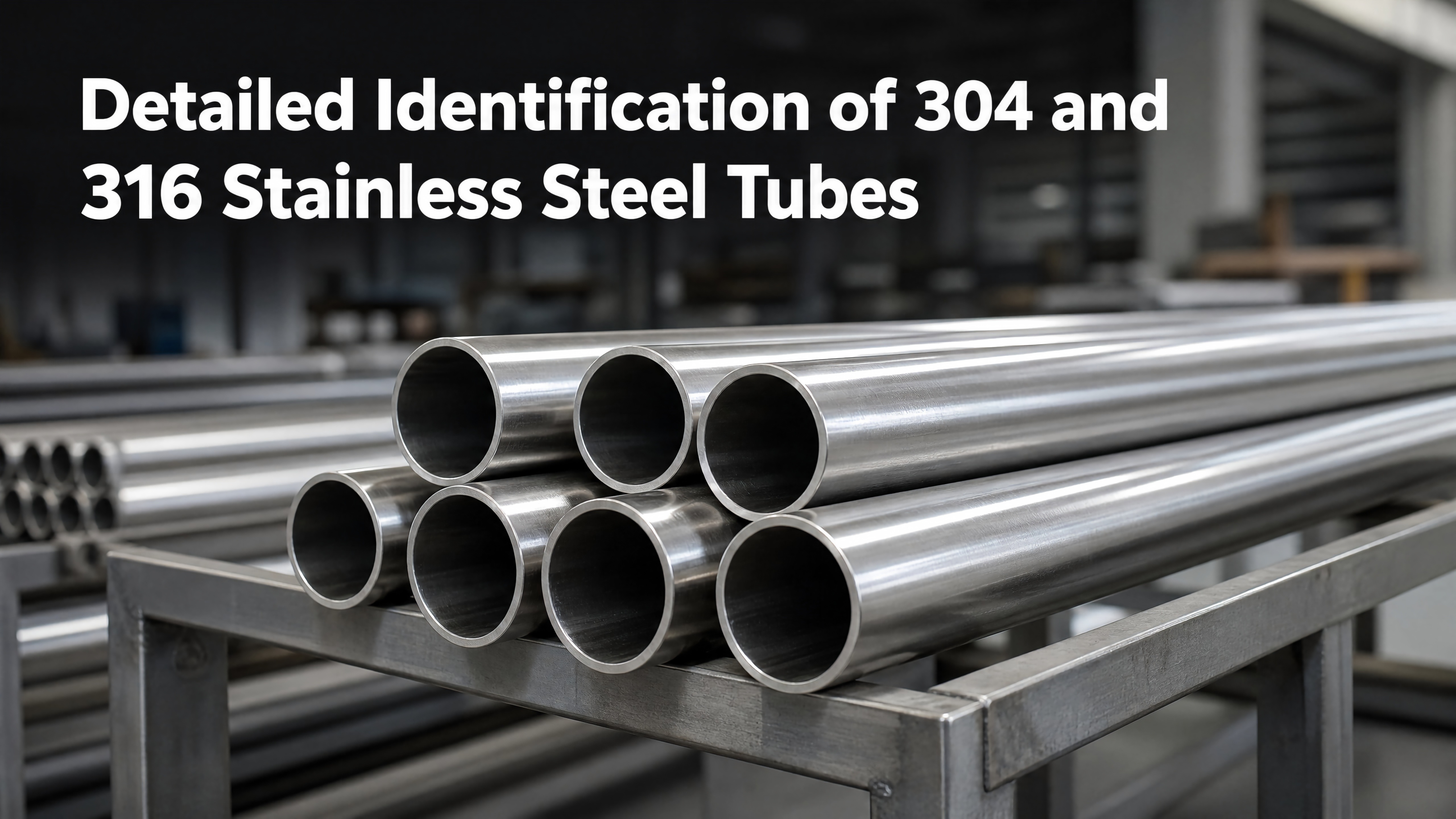
Stainless steel is an alloy steel widely used in industry, construction and daily life. Its core advantages lie in strong corrosion resistance, durability and easy processing, making it a common substitute for ordinary carbon steel. Mastering basic knowledge of stainless steel, material differences, weight calculation and maintenance techniques lays a foundation for material selection, procurement and project budgeting.
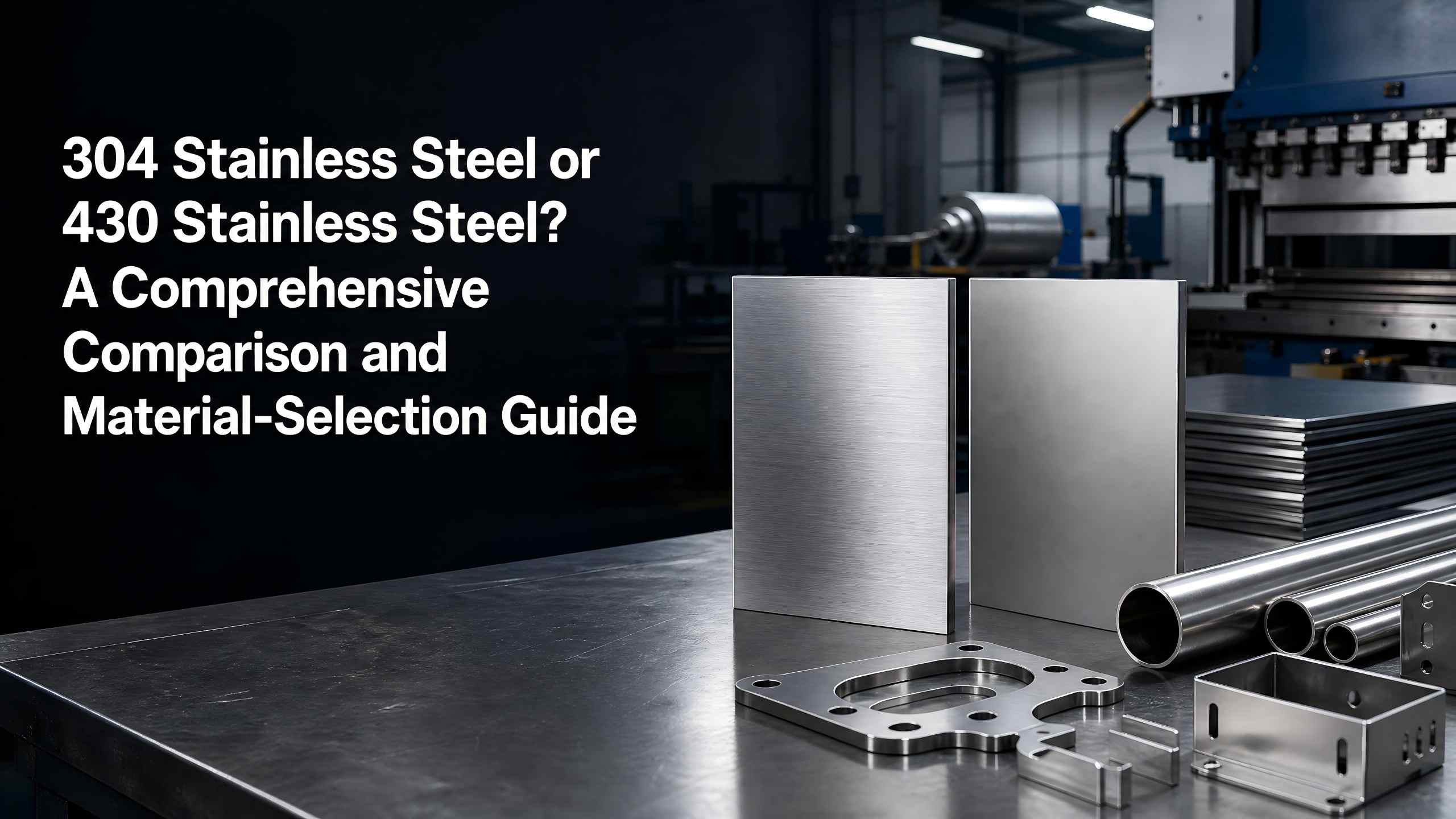
304 stainless steel sheet is the most widely used austenitic stainless steel sheet in global industrial, decorative, kitchen and food sectors. Featuring balanced corrosion resistance, heat resistance, compressive strength and easy processability, it stands as the most versatile stainless steel material on the market. However, low-cost counterfeit sheets such as 201 and 430 share highly similar appearances and are easily confused. Combining material standards, core properties and practical identification techniques, this article comprehensively answers "what is 304 stainless steel sheet" and "how to accurately identify 304 stainless steel sheet", serving as a reference for purchasers, processing manufacturers and engineering practitioners.
Annealed Cold Rolled Coils (abbreviated as annealed CRC) are key basic materials for deep processing of cold rolled steel. Conventional cold rolled coils carry heavy internal stress and feature hard, brittle texture after rolling. Through precise heat treatment, the annealing process effectively relieves internal stress and greatly improves the ductility and flexibility of steel. This makes them ideal materials for complex processing procedures including stamping, bending and deep drawing, with wide applications in home appliance manufacturing, auto parts, hardware products and various industrial sectors.
We use cookies to offer you a better browsing experience, analyze site traffic and personalize content. By using this site, you agree to our use of cookies.Privacy Policy