News

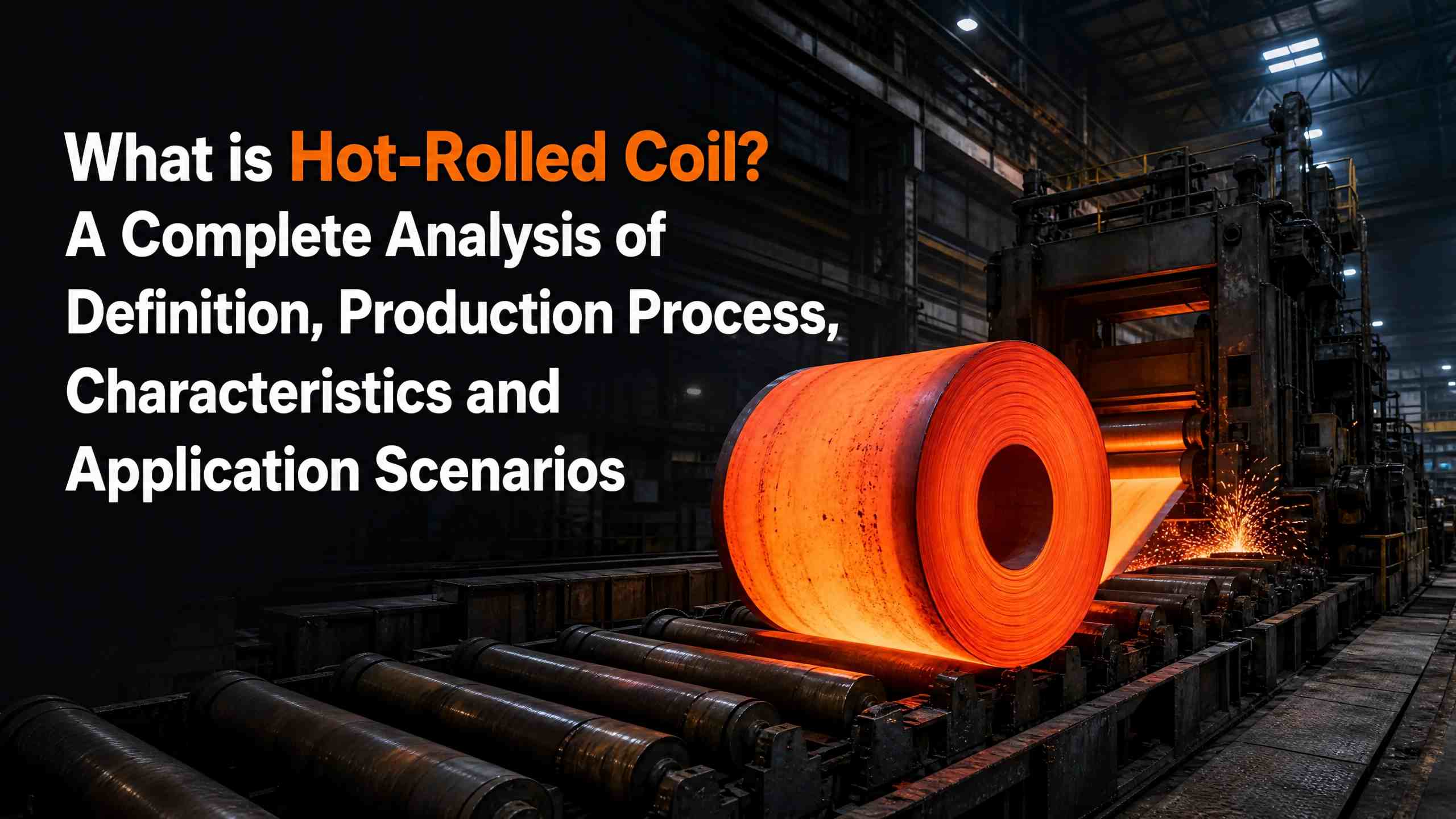
What is Hot‑Rolled Coil? A Complete Analysis of Definition, Production Process, Characteristics and Application Scenarios

2026-08-17 0 Leave me a message

Hot‑Rolled Coil (HRC) is one of the most fundamental and widely‑used industrial raw materials in the steel industry. It also serves as the core base material for deep‑processed products such as cold‑rolled steel, galvanized steel and welded steel pipes. Featuring high strength, easy‑to‑process performance and outstanding cost‑effectiveness, it is extensively applied in construction, machinery, shipbuilding, automotive, energy and many other sectors. With years of in‑depth engagement in the hot‑rolled steel sector, Nature Steel Group Co., Ltd. boasts mature supply chain and product selection expertise. This article delivers a plain‑spoken and systematic overview of hot‑rolled coil, covering its definition, core properties, main categories, production process and applicable scenarios to help industry practitioners quickly understand and select appropriate materials.

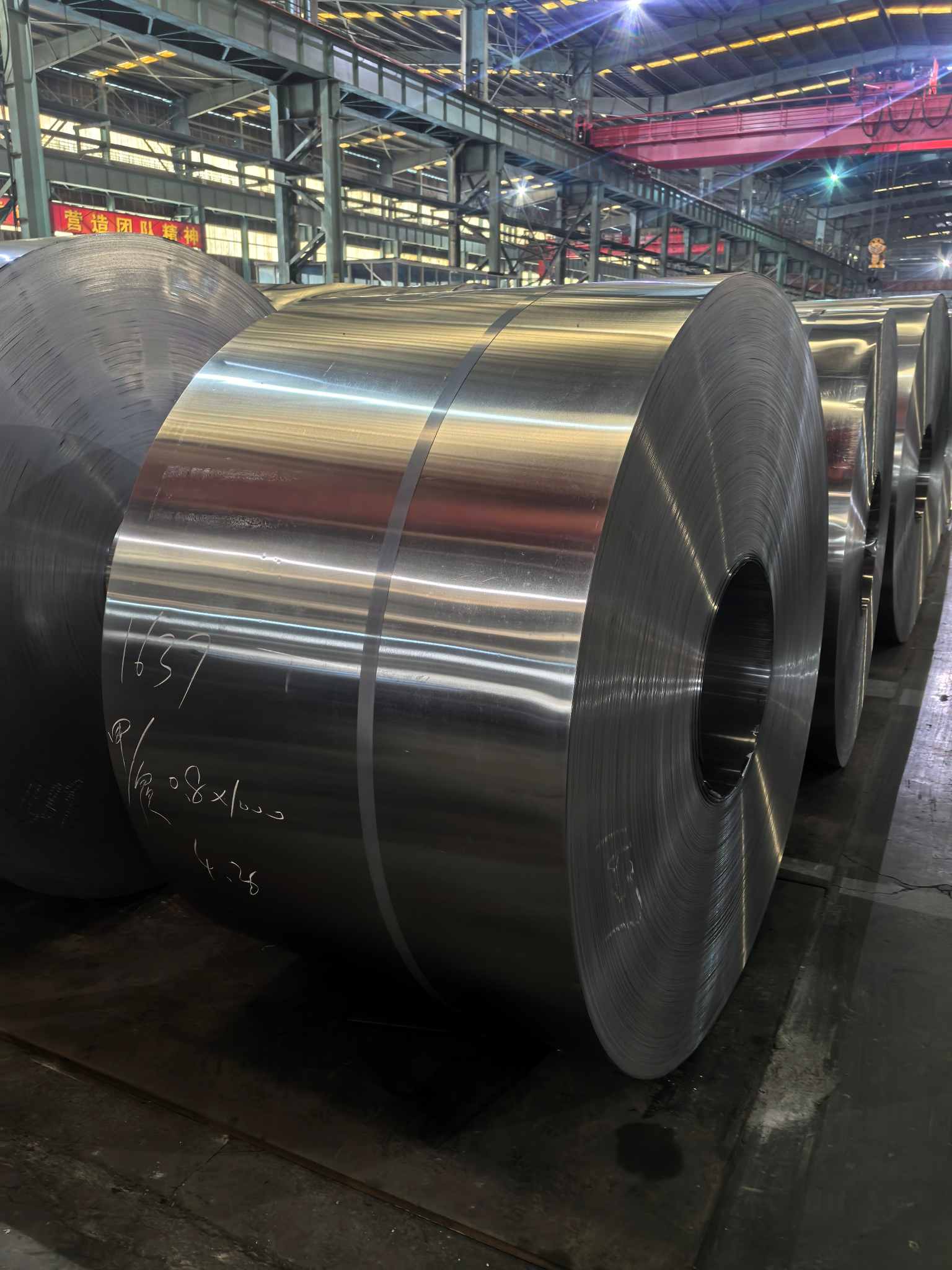
Hot-Rolled Coil Production

I. Basic Definition and Core Properties of Hot‑Rolled Coil

Hot‑Rolled Coil (HRC) refers to coiled steel formed by heating steel raw materials above 900 °C (above the steel’s recrystallization temperature), rolling and shaping the steel at high temperature, and finally coiling the product. High‑temperature rolling greatly improves the ductility of steel and lowers forming difficulty. Its coiled form also facilitates industrial transportation, storage and secondary processing such as flattening and slitting, making it suitable for large‑scale industrial production.

Compared with cold‑rolled coil, hot‑rolled coil has four core characteristics.

Overview of Characteristics


  • Rough surface: A natural iron‑oxide scale forms after steel cooling, presenting a blue‑black or grey‑blue appearance without manual polishing.
  • Excellent mechanical properties: It delivers high load‑bearing capacity and impact resistance, and resists cracking during bending, welding and cutting, making it suitable for heavy‑duty load‑bearing structures.
  • Good processability: It can be directly welded, stamped and bent without complicated heat treatment.
  • Cost‑effective and efficient: Well‑established mass‑production processes keep costs low, effectively controlling material expenses for large‑scale engineering projects.


II. Main Sub‑categories of Hot‑Rolled Coil

Based on chemical composition, alloy ratio and mechanical properties, hot‑rolled coil falls mainly into three categories to satisfy working‑condition requirements. It acts as a key reference for procurement and material selection.

Stainless steel coil stock

Commercial hot‑rolled coil is low‑carbon base steel with carbon content below 0.25%. Its mainstream grades include Chinese national standard Q235 and Japanese standard SS400. It offers exceptional versatility with stable strength and convenient processing. It is primarily used for building beams and columns, factory building frames, simple mechanical parts and general hardware products. It is the most‑consumed hot‑rolled steel material in infrastructure construction.

Stainless‑steel hot‑rolled coil incorporates alloying elements such as chromium, nickel and molybdenum. It delivers outstanding corrosion and oxidation resistance together with improved surface smoothness. It is widely adopted in scenarios demanding corrosion resistance and decent appearance, including chemical pipelines, storage tanks, medical‑equipment components and kitchen‑bath structural parts. Higher alloy content pushes up its selling price compared with ordinary carbon‑steel coil.

Alloy hot‑rolled coil achieves upgraded mechanical performance through high‑grade alloy element formulation. It features ultra‑high strength, pressure resistance and structural stability. It fits heavy‑load and high‑pressure harsh working conditions and is widely used for bridge infrastructure, aerospace structural components, offshore oil‑gas platforms, high‑pressure transmission pipelines and other high‑end industrial fields.

III. Production Process of Hot‑Rolled Coil

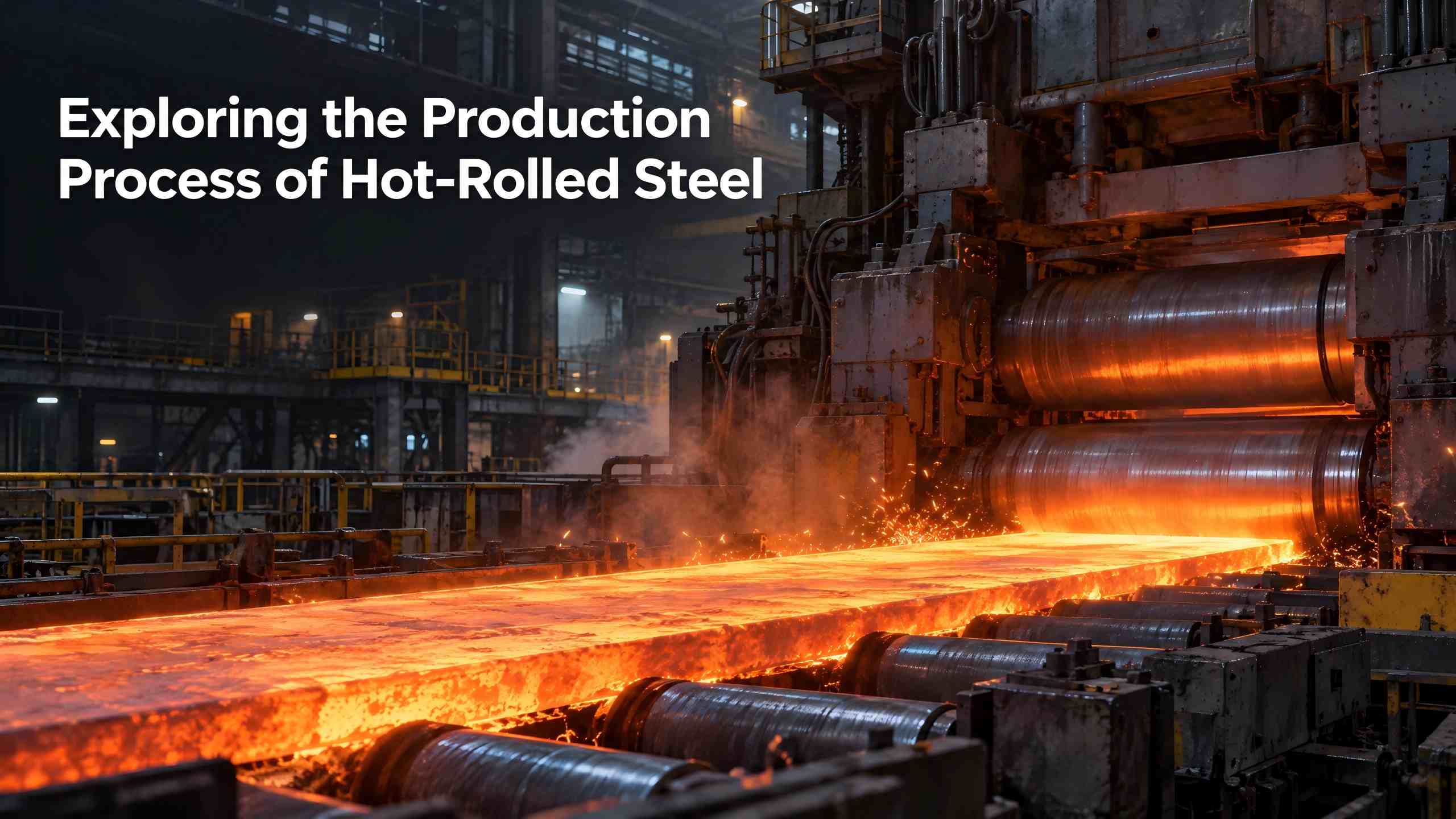
Mass‑produced hot‑rolled coil in modern industry adopts standardized continuous hot‑rolling technology with high automation and stable production flows, delivering finished steel with uniform performance and controllable quality. The complete production sequence is clear and standardized, as detailed below:


  1. Slab reheating: Continuous‑cast slabs are fed into reheating furnaces for high‑temperature softening to reduce steel deformation resistance and lay the foundation for subsequent uniform rolling.
  2. Rough rolling forming: High‑temperature slabs are initially compressed by roughing mill units to rapidly reduce steel thickness and regularize overall dimensions.
  3. Finish rolling finalization: Multi‑pass rolling on high‑precision finishing mill units processes steel strip accurately to the thickness and width specified by customers.
  4. Laminar cooling: The formed steel strip undergoes even cooling to stabilize internal grain structure and guarantee consistent mechanical properties across the material.
  5. Coiling and dispatch: Qualified cooled steel strip is automatically coiled into standard steel coils. After strict inspections for appearance, dimension and performance, finished coils are packaged, warehoused and shipped.


IV. Core Application Fields of Hot‑Rolled Coil

Thanks to its comprehensive performance advantages of high strength, easy processing and high stability, hot‑rolled coil covers a broad range of heavy‑industry and infrastructure scenarios. Its key application fields are listed below:

Construction industry: Mainly applied for load‑bearing structures including factory building frames, building beams and columns, construction scaffolding and bridge deck paving. It serves as a core basic material for civil‑engineering projects.

Mechanical‑engineering sector: It is processed into components for industrial and agricultural production equipment, excavators, loaders and other construction machinery to satisfy general mechanical‑processing requirements.

Automotive industry: Supported by good impact resistance and formability, it is widely used for core load‑bearing parts such as automobile frames and chassis for commercial and passenger‑vehicle manufacturing.

Shipbuilding and offshore engineering: Owing to superior structural strength and compression resistance, it is used for outer hull structures, hull support beams, offshore platforms and other offshore‑engineering components to cope with complex marine operating conditions.

General industry and infrastructure: It acts as the core base material for welded steel pipes, hollow profiles, container frames and pressure vessels. It finds wide applications in oil‑gas transportation, municipal engineering, rail transit and numerous other industrial sectors.

Conclusion

Hot‑rolled coil refers to base steel shaped via high‑temperature rolling. It combines high strength, easy processing and low‑cost merits with diverse product types and broad adaptability. Commercial grades fit conventional infrastructure projects; stainless‑steel variants prioritize corrosion resistance and durability; alloy grades serve high‑end heavy‑load operating conditions. As a core base material in the steel industrial chain, it underpins diverse industrial manufacturing and engineering projects. Nature Steel Group Co., Ltd. specialises in supplying premium hot‑rolled coil. We can deliver hot‑rolled products of multiple specifications and material grades to meet procurement requirements for various engineering and manufacturing projects, helping clients optimise material selection and effectively control production costs.


Related News
Leave me a message
X
We use cookies to offer you a better browsing experience, analyze site traffic and personalize content. By using this site, you agree to our use of cookies.Privacy Policy
RejectAccept