News

Basic Knowledge of Stainless Steel: Properties, Types, Applications, Weight Calculation and Maintenance Methods

2026-07-06 0 Leave me a message

Stainless steel is an alloy steel widely used in industry, construction and daily life. Its core advantages lie in strong corrosion resistance, durability and easy processing, making it a common substitute for ordinary carbon steel. Mastering basic knowledge of stainless steel, material differences, weight calculation and maintenance techniques lays a foundation for material selection, procurement and project budgeting.

1. What is Stainless Steel?

Stainless steel refers to alloy steel with a chromium content of no less than 10.5%. It forms a dense chromium oxide passivation film on its surface to isolate oxygen and moisture, thereby achieving rust and corrosion resistance. The addition of elements such as nickel and molybdenum can further enhance corrosion and high-temperature resistance to suit various complex service conditions.

2. Core Performance Characteristics of Stainless Steel

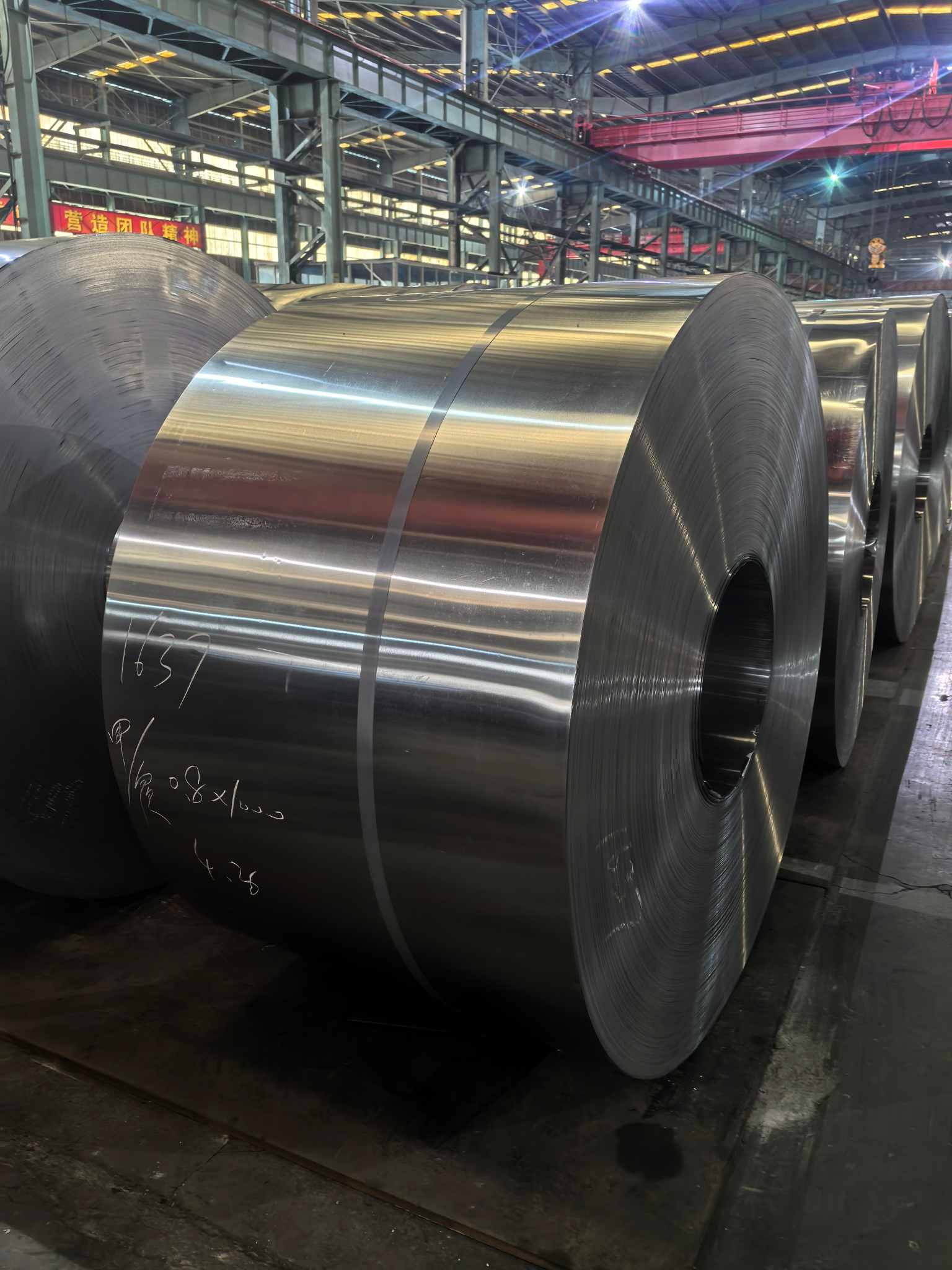
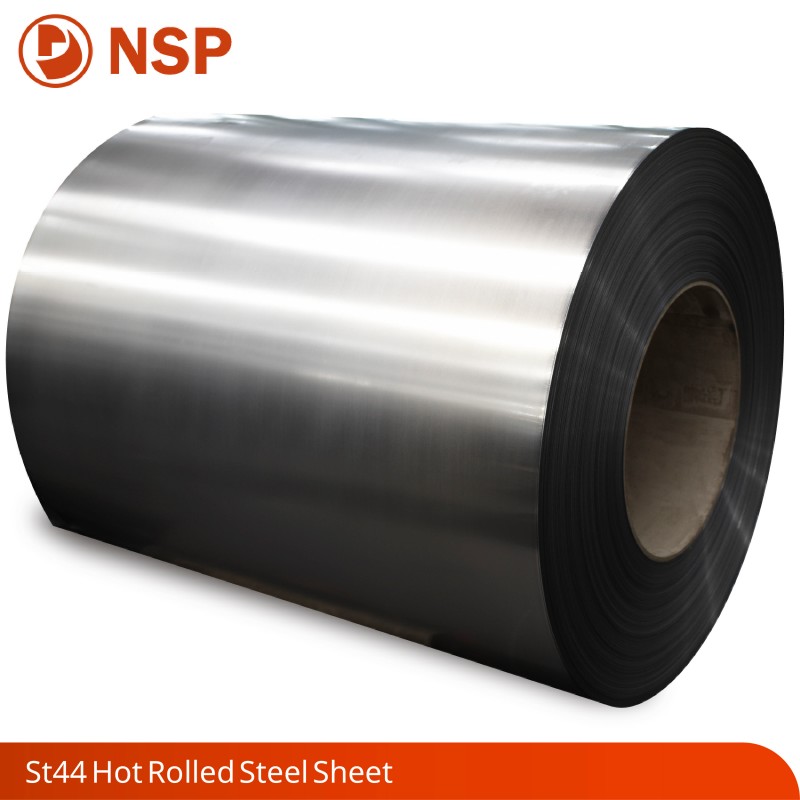
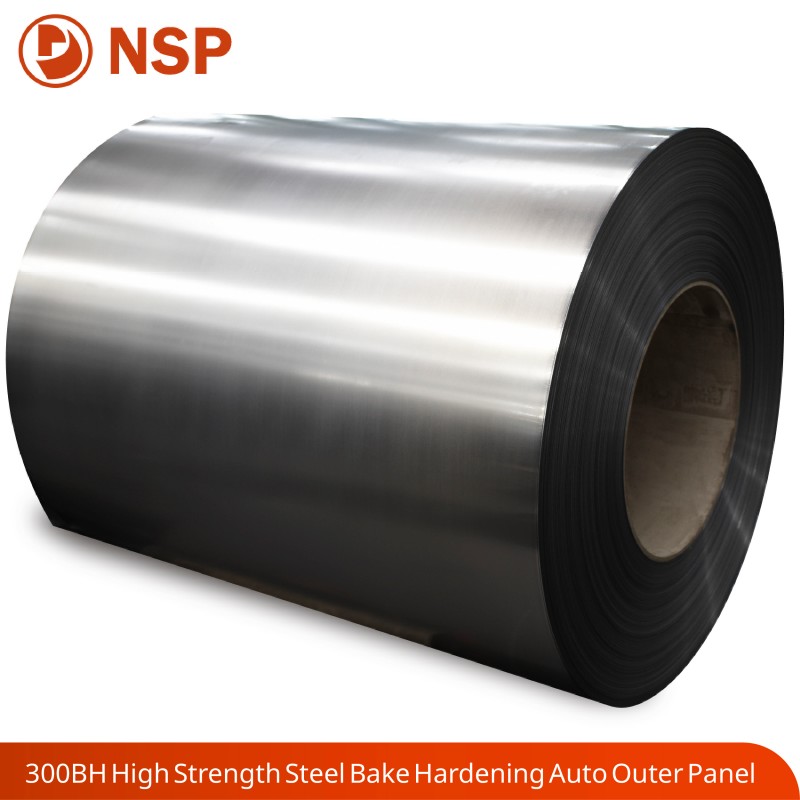
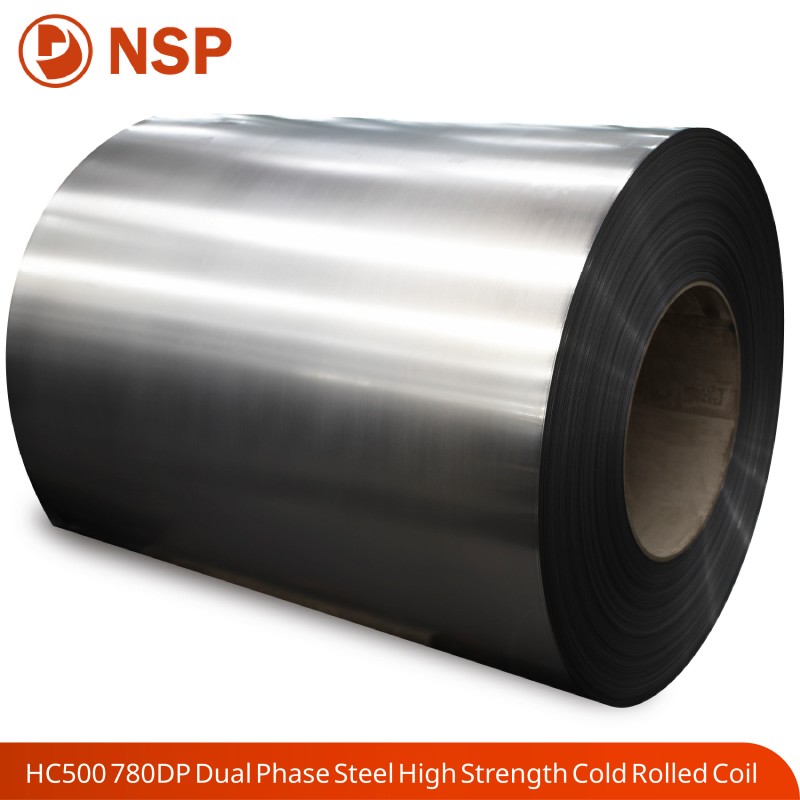
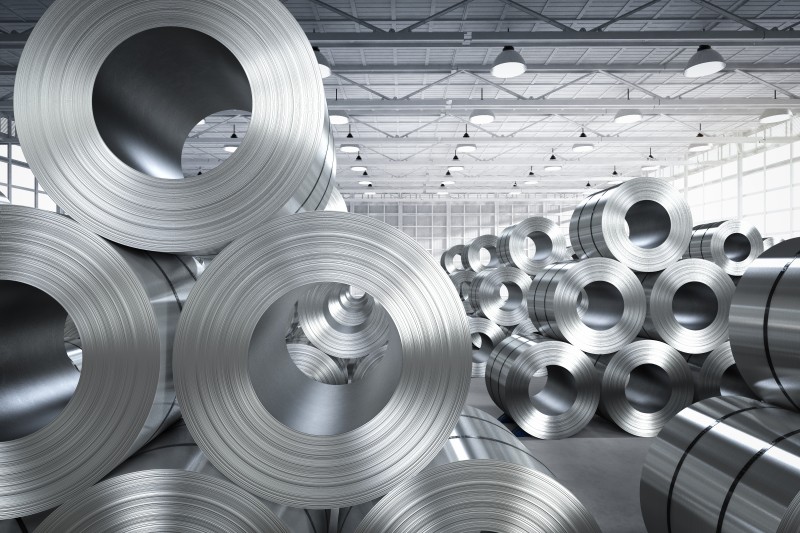
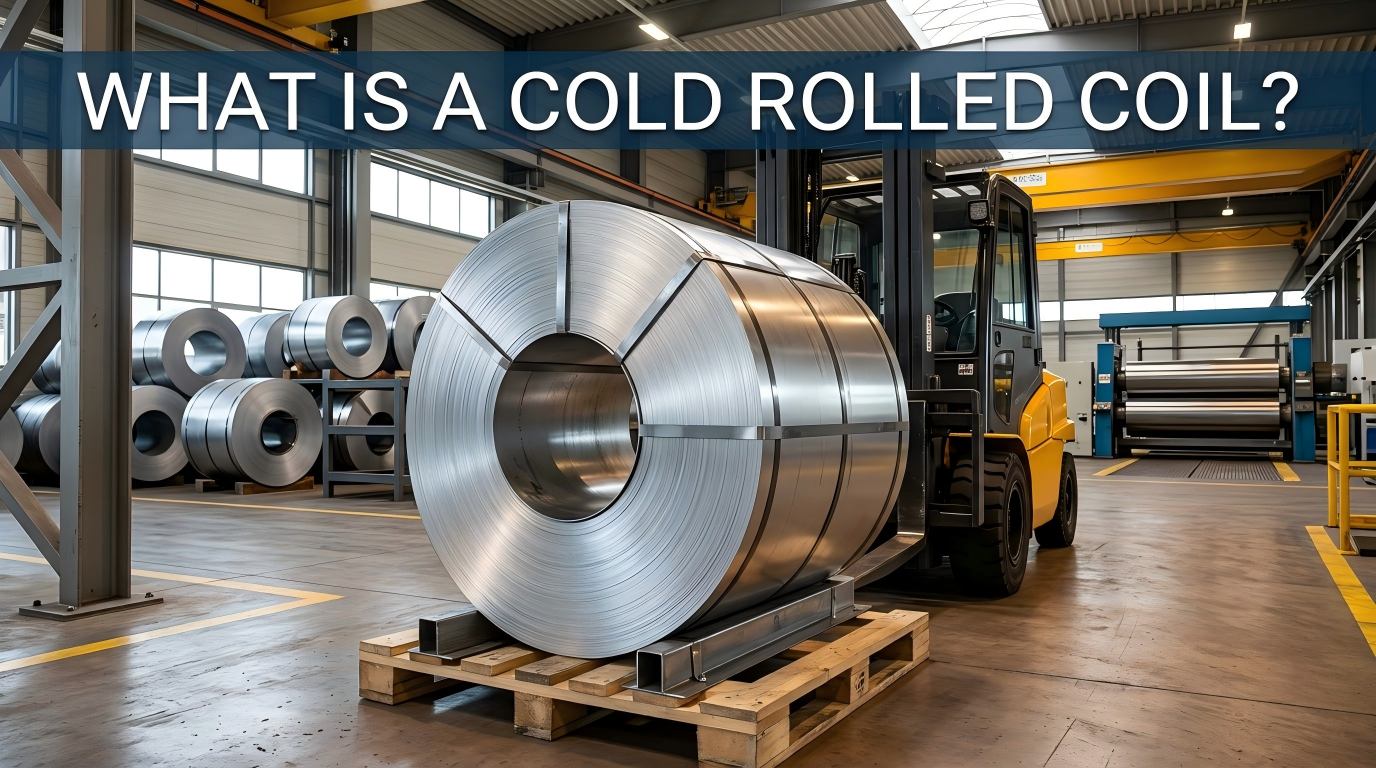
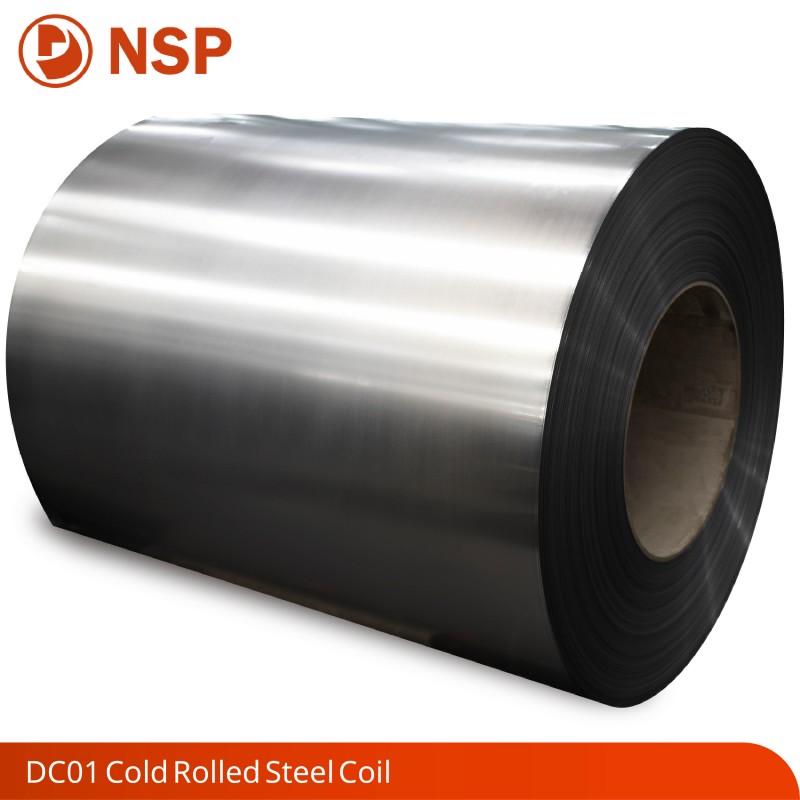
Stainless steel coil stock


  • Rust and corrosion resistance: Resists erosion from humid environments, weak acids and weak alkalis, suitable for most indoor and outdoor working conditions.
  • Excellent temperature stability: Maintains stable performance without deformation or cracking under high and low temperature environments.
  • Superior workability: Moderate strength and toughness, supporting deep processing such as bending, welding and stamping.
  • Durable and easy to maintain: Smooth surface that resists dirt accumulation, requiring infrequent anti-rust treatment and offering long service life.
  • Safe and hygienic: Non-toxic and sterile, meeting standards for food and medical industries.


3. Main Classifications of Stainless Steel

Stainless steel available on the market falls into four major categories for different application requirements:


  • Austenitic Series (200/300 Series): The most widely used type with good plasticity and weldability. Grade 201 offers cost efficiency and is only applicable to dry indoor environments; Grade 304 is universal food-grade stainless steel suitable for most civil and industrial scenarios; Grade 316 contains molybdenum with superior resistance to salt spray, acids and alkalis, widely used in marine and chemical equipment.
  • Ferritic Series (400 Series): Magnetic, high-temperature and oxidation resistant. Grade 430 is the representative grade, commonly used for home appliances and decorative fittings.
  • Martensitic Series (400 Series): High hardness and wear resistance with mediocre corrosion resistance, applied to cutlery and wear-resistant mechanical parts.
  • Duplex Stainless Steel: Delivers comprehensive outstanding performance with high strength and strong corrosion resistance, adopted for high-end chemical and marine engineering projects.


4. Key Differences Between Grade 201 and Grade 304 Stainless Steel Tubes

There are notable disparities between these two commonly used tube grades, serving as key references for material selection:


  • Composition: Grade 304 contains 18% chromium and 8% nickel; Grade 201 only contains 13% chromium and 1% nickel, using manganese to replace nickel.
  • Corrosion Resistance: Grade 304 boasts excellent anti-corrosion performance and can be used outdoors and in coastal areas; Grade 201 is prone to rust and only fit for indoor use.
  • Strength: Grade 304 features better toughness and deformation resistance; Grade 201 has slightly higher hardness yet poor fatigue resistance.
  • Price: Grade 304 comes with higher production costs, while Grade 201 is cost-effective.


5. Weight Calculation Formulas for Stainless Steel

5.1 Calculation for Stainless Steel Sheets

Formula: Weight = Length × Width × Thickness × 7.93 (general specific gravity)

Example: 1.5mm × 1000mm × 2000mm sheet

Weight = 1 × 2 × 1.5 × 7.93 = 23.79kg

5.2 Calculation for Stainless Steel Tubes

Formula: Weight per meter = (Outer Diameter - Wall Thickness) × Wall Thickness × 0.02491

Example: Tube specification 108×4mm

Weight per meter = (108 - 4) × 4 × 0.02491 = 10.36kg/m

6. Application Fields and Maintenance Tips

Stainless steel is extensively applied in catering kitchenware, architectural decoration, industrial manufacturing, medical equipment, marine chemical industries and more. Key daily maintenance guidelines:

Clean regularly with neutral detergents and avoid scratching the surface passivation film; Prioritize Grade 304 or 316 stainless steel for humid and coastal working conditions, and wipe off water stains promptly after use to effectively prevent rust and extend service life.

Summary

Grades of stainless steel differ significantly in performance, price and applicable scenarios. A solid grasp of stainless steel’s basic properties, material distinctions and weight calculation methods enables accurate material selection and procurement cost control. Standardized maintenance can maximize stainless steel’s advantages of durability and corrosion resistance.


Related News
Leave me a message
X
We use cookies to offer you a better browsing experience, analyze site traffic and personalize content. By using this site, you agree to our use of cookies.Privacy Policy
RejectAccept