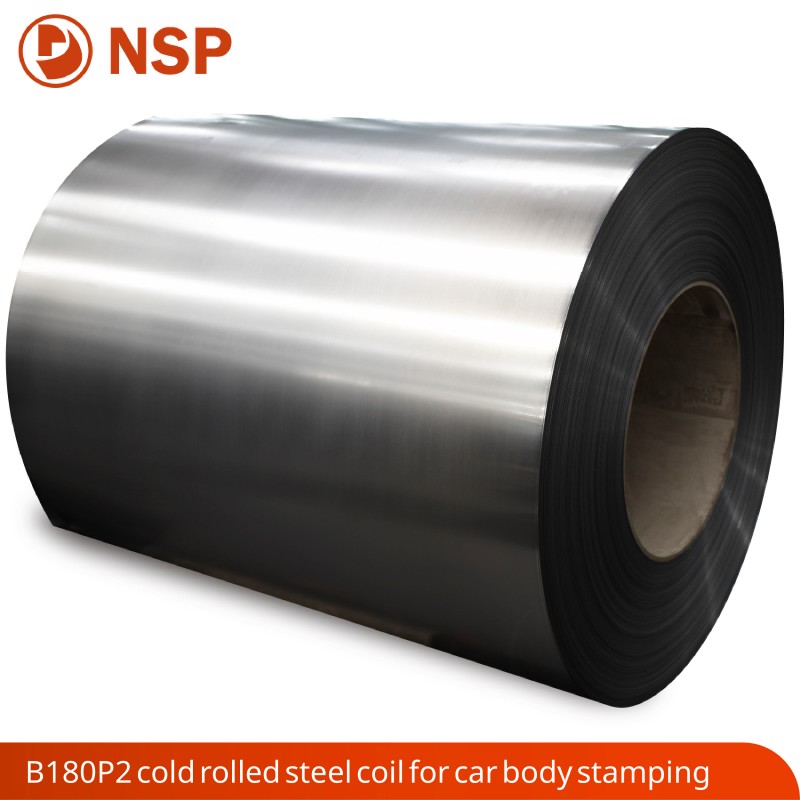
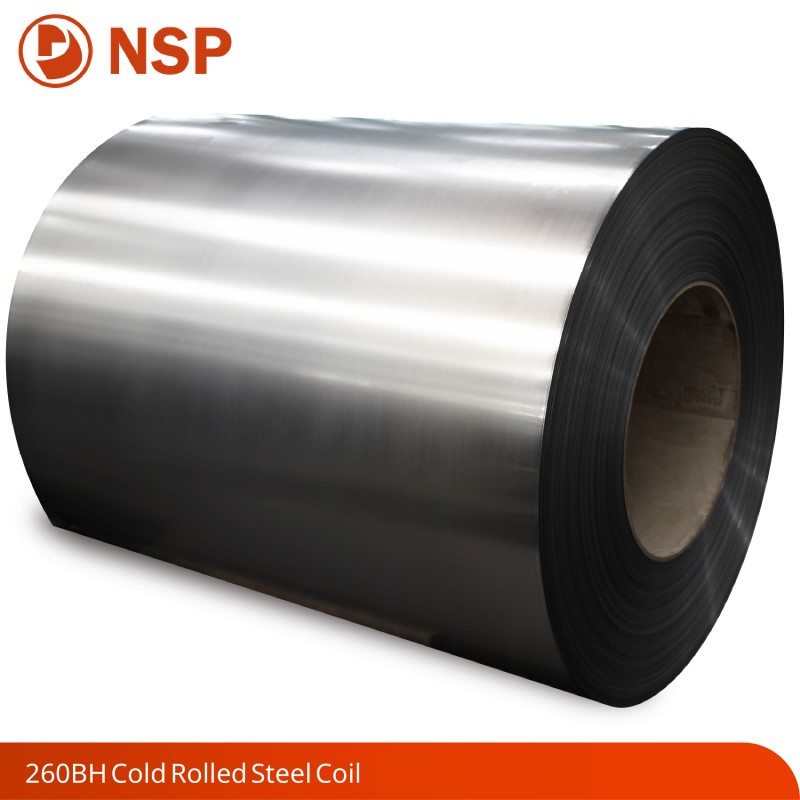
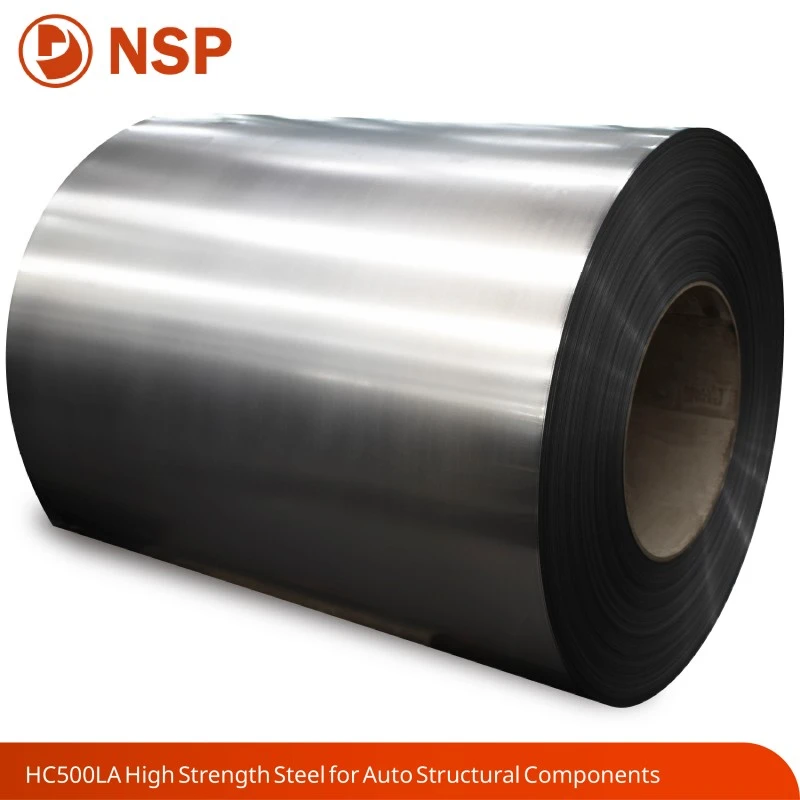
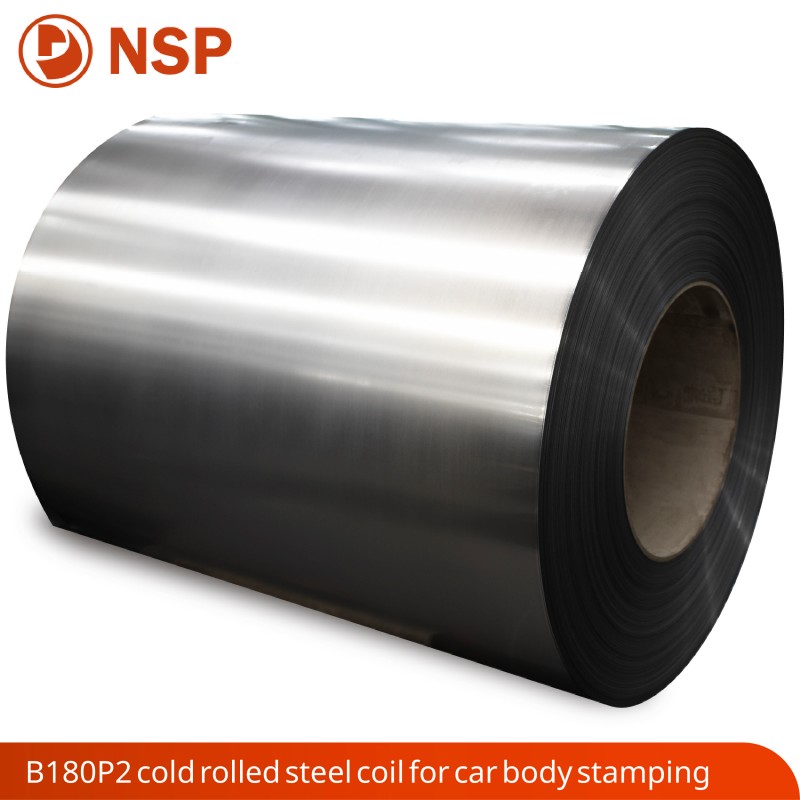
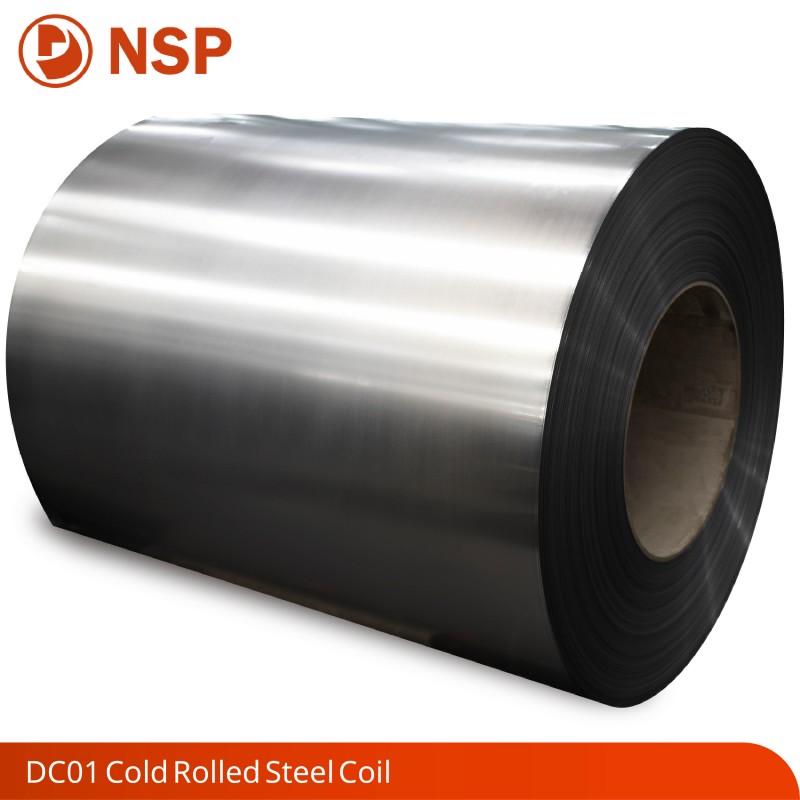
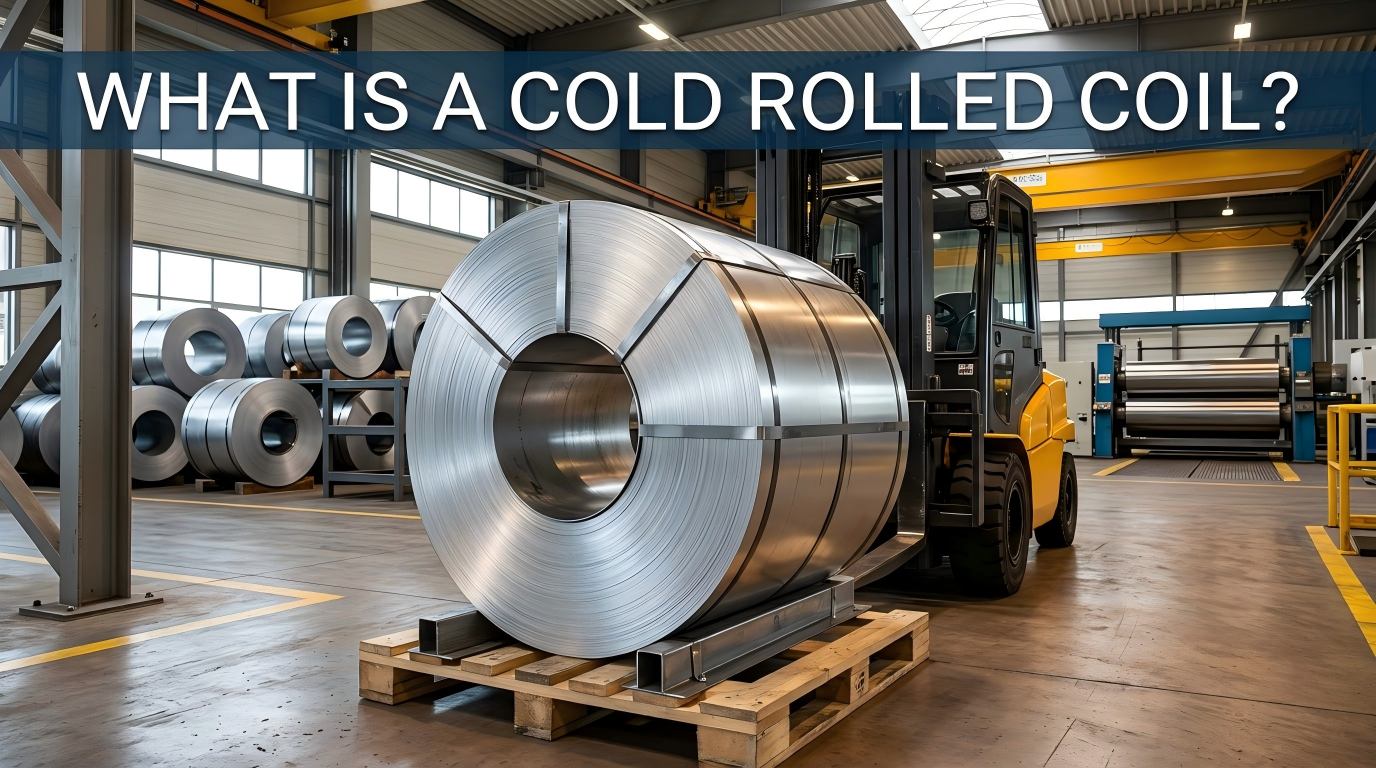
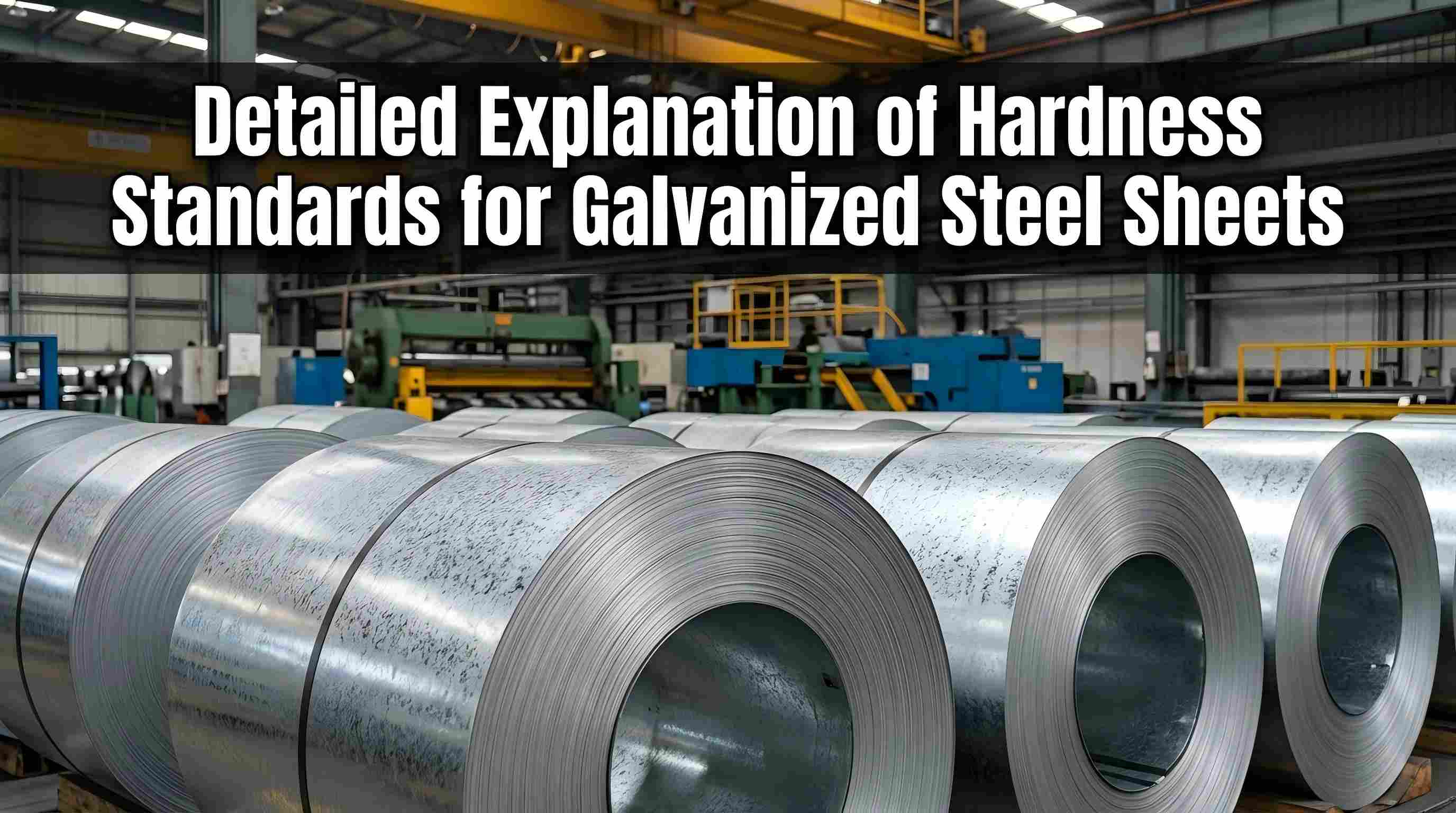
Cold Rolled Phosphorus Added High Strength Steel has emerged as a critical material in industries requiring an optimal balance between strength, weight reduction, and formability. Manufacturers often struggle with materials that either lack sufficient strength or compromise ductility during forming processes. This article explores how phosphorus-enhanced cold rolled steel addresses these challenges, offering improved mechanical properties, enhanced surface quality, and cost-effective performance. By understanding its composition, benefits, and applications, buyers and engineers can make more informed decisions that reduce production risks and improve end-product reliability.
1. Overview of Cold Rolled Phosphorus Added High Strength Steel
Cold Rolled Phosphorus Added High Strength Steel is a specialized grade of steel produced through a cold rolling process and enhanced with controlled phosphorus content. This combination results in a material that delivers both high tensile strength and improved formability, which are often conflicting requirements in traditional steels.
Unlike standard high strength steels, this material is engineered to provide better elongation while maintaining excellent rigidity. This makes it especially suitable for applications where weight reduction and structural integrity are critical.
2. Chemical Composition and Role of Phosphorus
Phosphorus plays a vital role in enhancing the mechanical properties of steel. When added in controlled amounts, it improves strength and corrosion resistance without significantly compromising ductility.
Increases yield strength through solid solution strengthening
Enhances resistance to atmospheric corrosion
Improves surface finish after cold rolling
Maintains acceptable elongation levels for forming
However, excessive phosphorus can lead to brittleness. Therefore, precise control during production is essential to achieve optimal performance.
3. Key Benefits and Performance Advantages
Property
Benefit
Customer Impact
High Strength
Improved load-bearing capacity
Reduced material thickness and weight
Good Formability
Ease of shaping and stamping
Lower defect rates during production
Corrosion Resistance
Longer lifespan in harsh environments
Reduced maintenance costs
Smooth Surface Finish
Enhanced coating and painting quality
Better product aesthetics
These advantages directly address common pain points such as cracking during forming, excessive weight, and inconsistent surface quality.
4. Comparison with Conventional High Strength Steel
Feature
Phosphorus Added Steel
Conventional HS Steel
Strength-to-Weight Ratio
High
Moderate
Formability
Excellent
Limited
Surface Quality
Superior
Variable
Cost Efficiency
High over lifecycle
Lower initial cost
This comparison highlights why more manufacturers are transitioning to phosphorus-added variants for demanding applications.
5. Industrial Applications
Cold Rolled Phosphorus Added High Strength Steel is widely used across multiple industries:
Automotive body panels and structural components
Home appliances requiring thin yet strong materials
Construction elements with exposure to environmental stress
Electrical enclosures and precision parts
Its adaptability makes it a preferred choice for engineers seeking reliability without sacrificing manufacturability.
6. How to Choose the Right Grade
Selecting the appropriate grade depends on several technical and operational factors:
Strength Requirements: Evaluate load conditions and safety margins
Forming Complexity: Consider bending, stamping, and deep drawing needs
Surface Treatment: Ensure compatibility with coatings or painting
Working with an experienced supplier like Nature ensures that these variables are carefully matched to your application, minimizing trial-and-error costs.
7. Processing and Manufacturing Considerations
To fully leverage the benefits of this material, proper processing techniques are essential:
Use optimized stamping parameters to prevent edge cracking
Apply suitable lubrication during forming operations
Ensure controlled welding conditions to maintain joint integrity
Adopt precision cutting methods for clean edges
Manufacturers often encounter issues such as micro-cracks or uneven deformation when switching materials. These can be mitigated by adjusting tooling and process settings accordingly.
8. Frequently Asked Questions
Q1: Does phosphorus make steel brittle?
When added in excessive amounts, phosphorus can cause brittleness. However, in controlled levels, it enhances strength without significantly affecting ductility.
Q2: Is this steel suitable for deep drawing?
Yes, it offers improved formability compared to many high strength steels, making it suitable for moderate to complex forming operations.
Q3: Can it be welded easily?
Yes, but welding parameters should be optimized to maintain mechanical performance and avoid defects.
Q4: How does it reduce production costs?
By enabling thinner material usage, reducing defects, and improving durability, it lowers both material and maintenance expenses.
9. Conclusion
Cold Rolled Phosphorus Added High Strength Steel provides a well-balanced solution to modern manufacturing challenges. It combines strength, formability, and durability in a way that traditional materials often fail to achieve. By addressing common issues such as cracking, weight constraints, and surface inconsistencies, it empowers manufacturers to produce higher-quality products with greater efficiency.
As industries continue to demand better performance and cost optimization, partnering with a trusted supplier becomes essential. Nature offers reliable expertise and high-quality materials tailored to your needs. If you are looking to upgrade your material performance and reduce production risks, now is the time to take action — contact us today to explore customized solutions for your projects.
We use cookies to offer you a better browsing experience, analyze site traffic and personalize content. By using this site, you agree to our use of cookies.
Privacy Policy