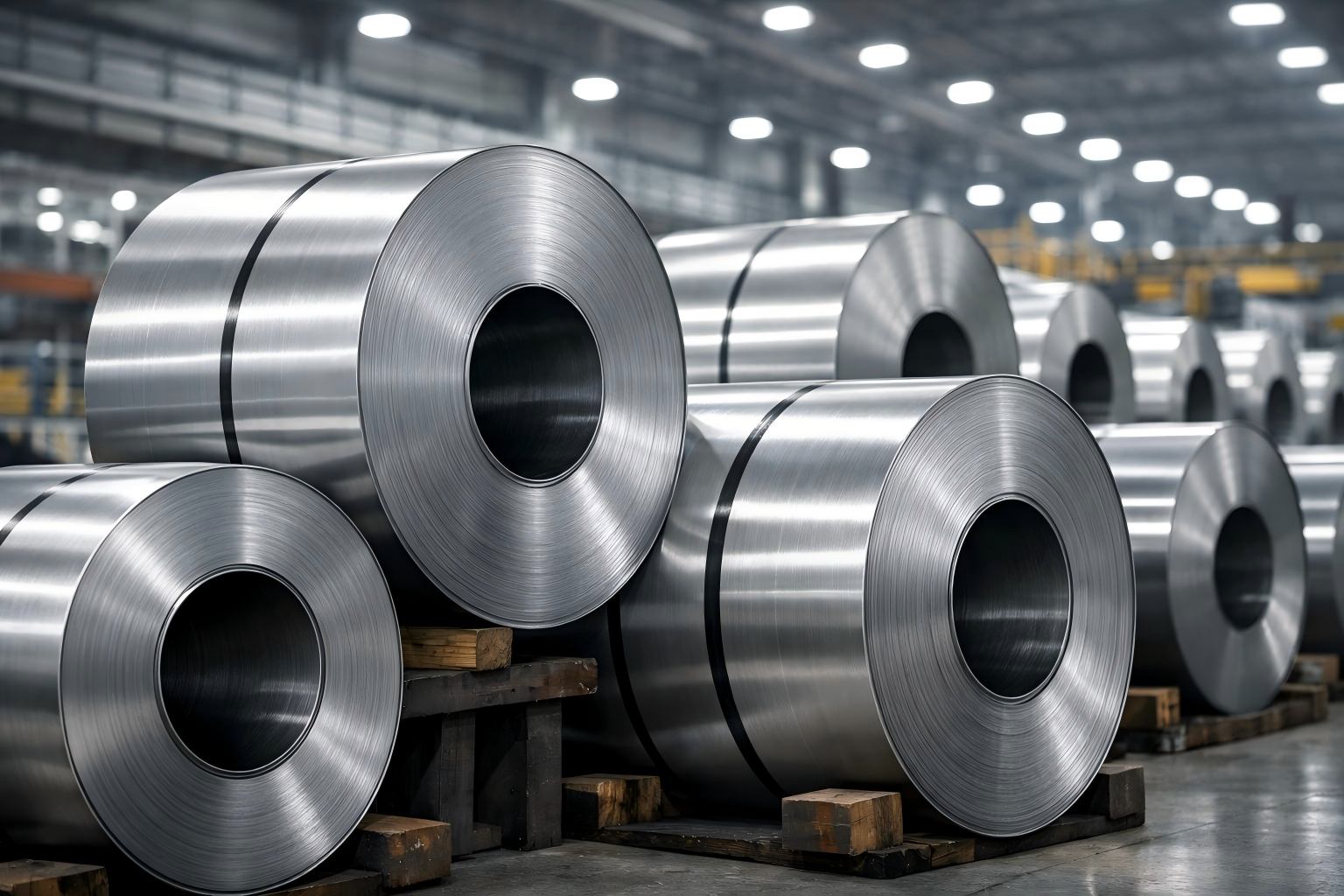
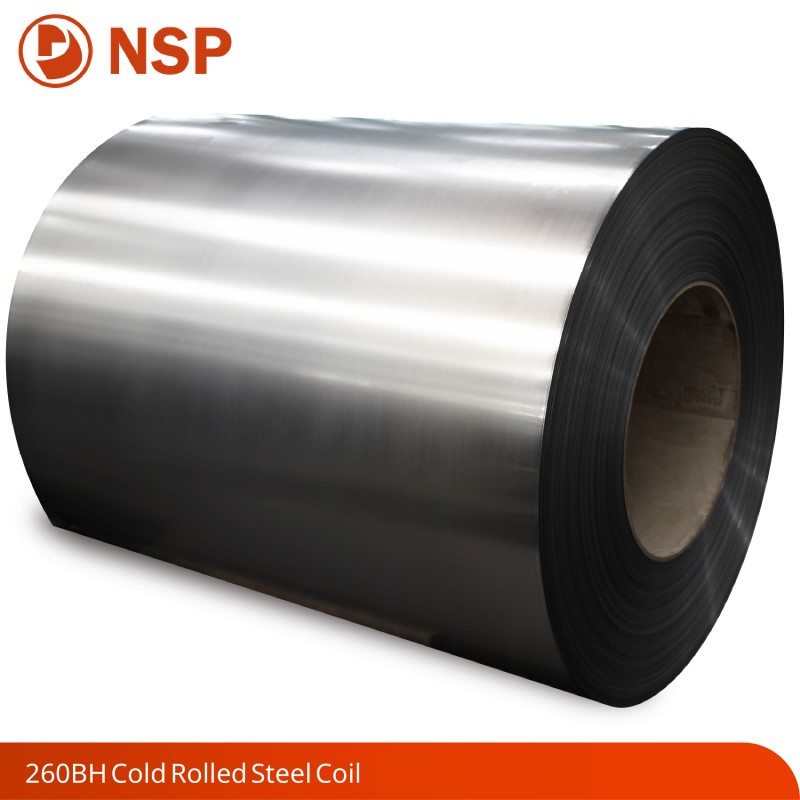
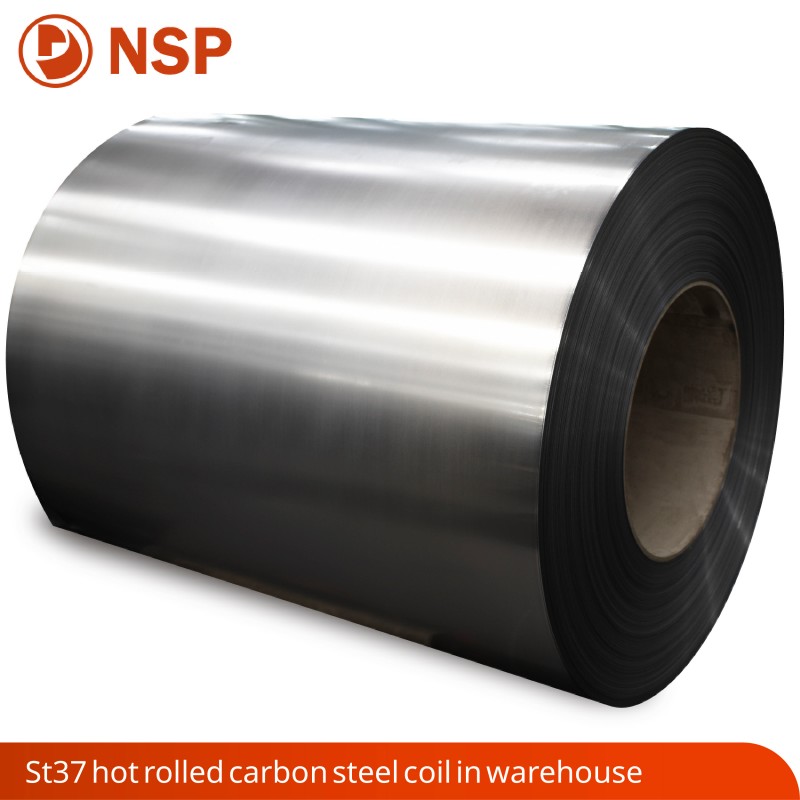
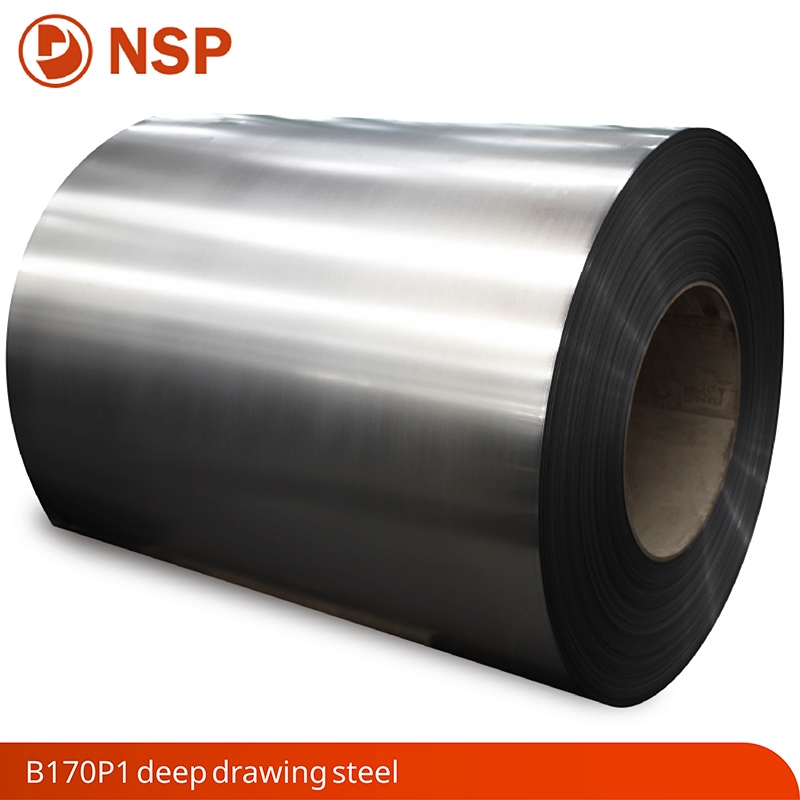
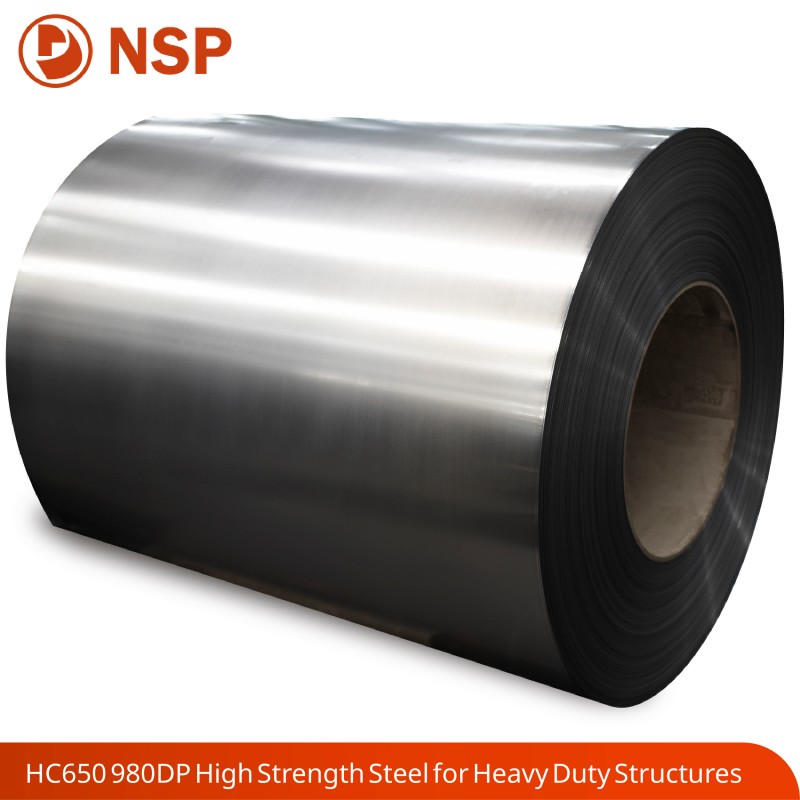
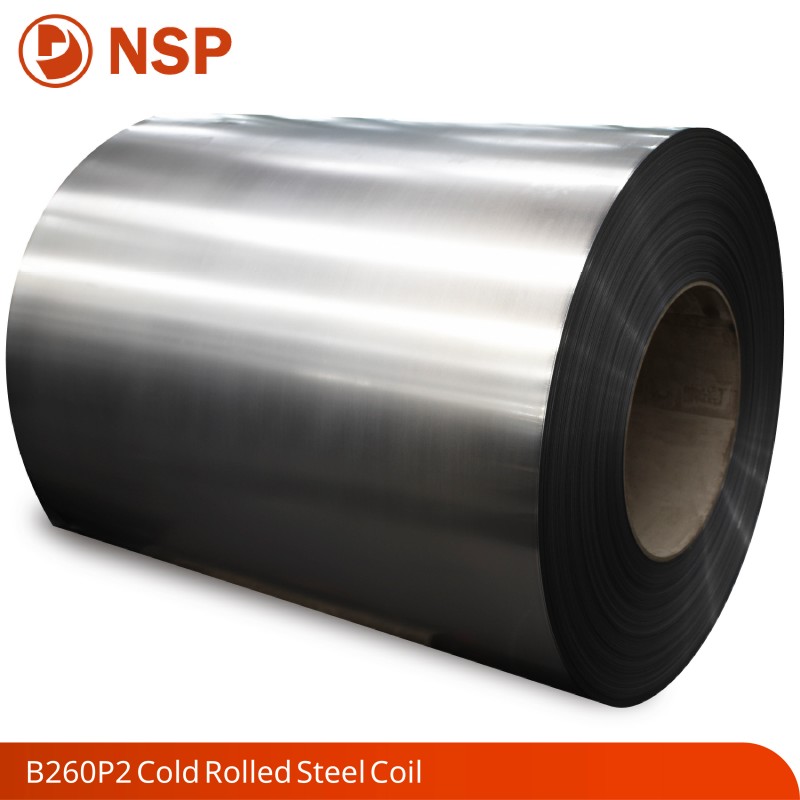
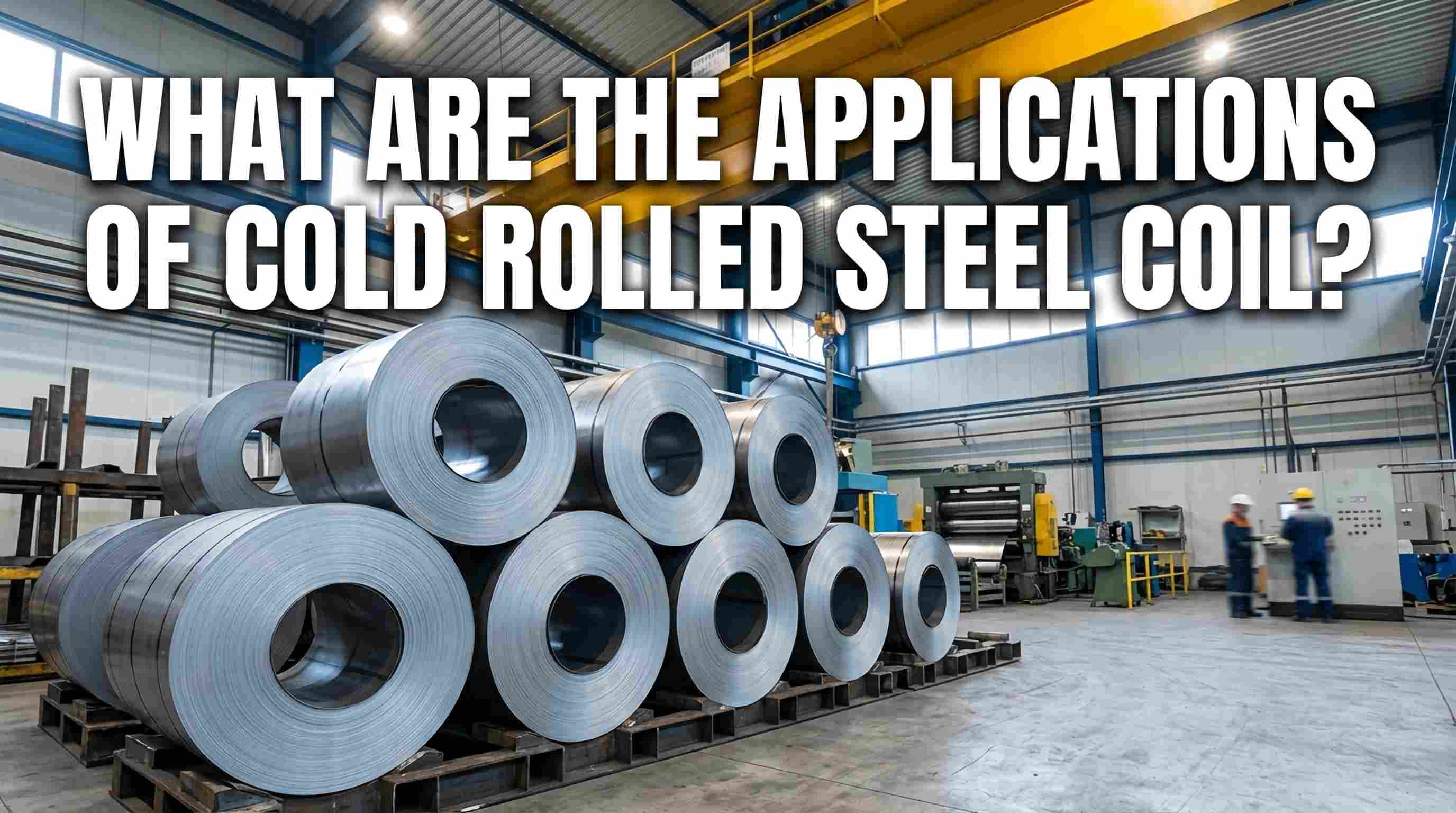
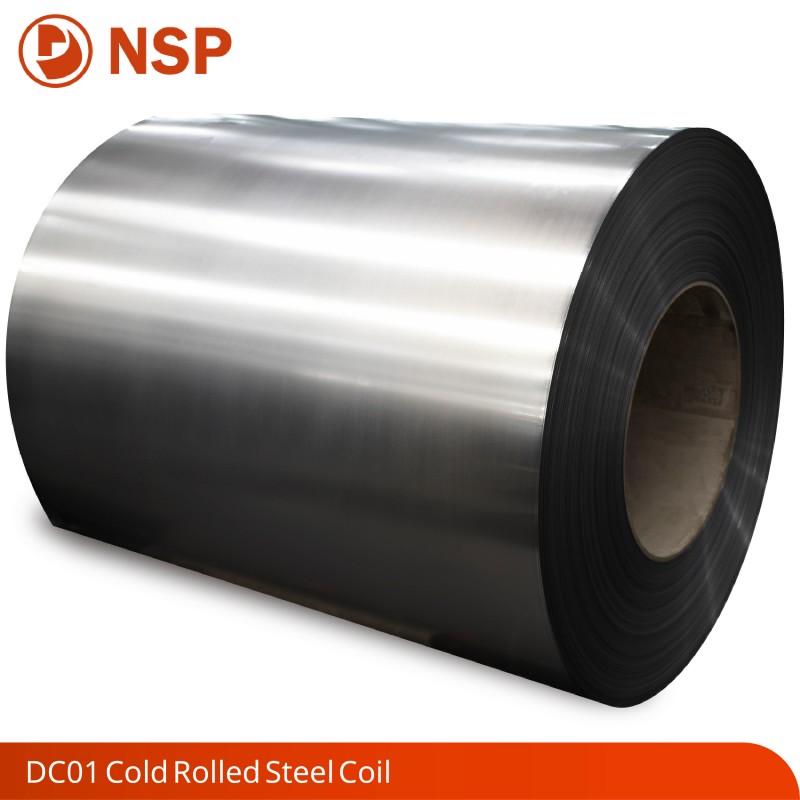
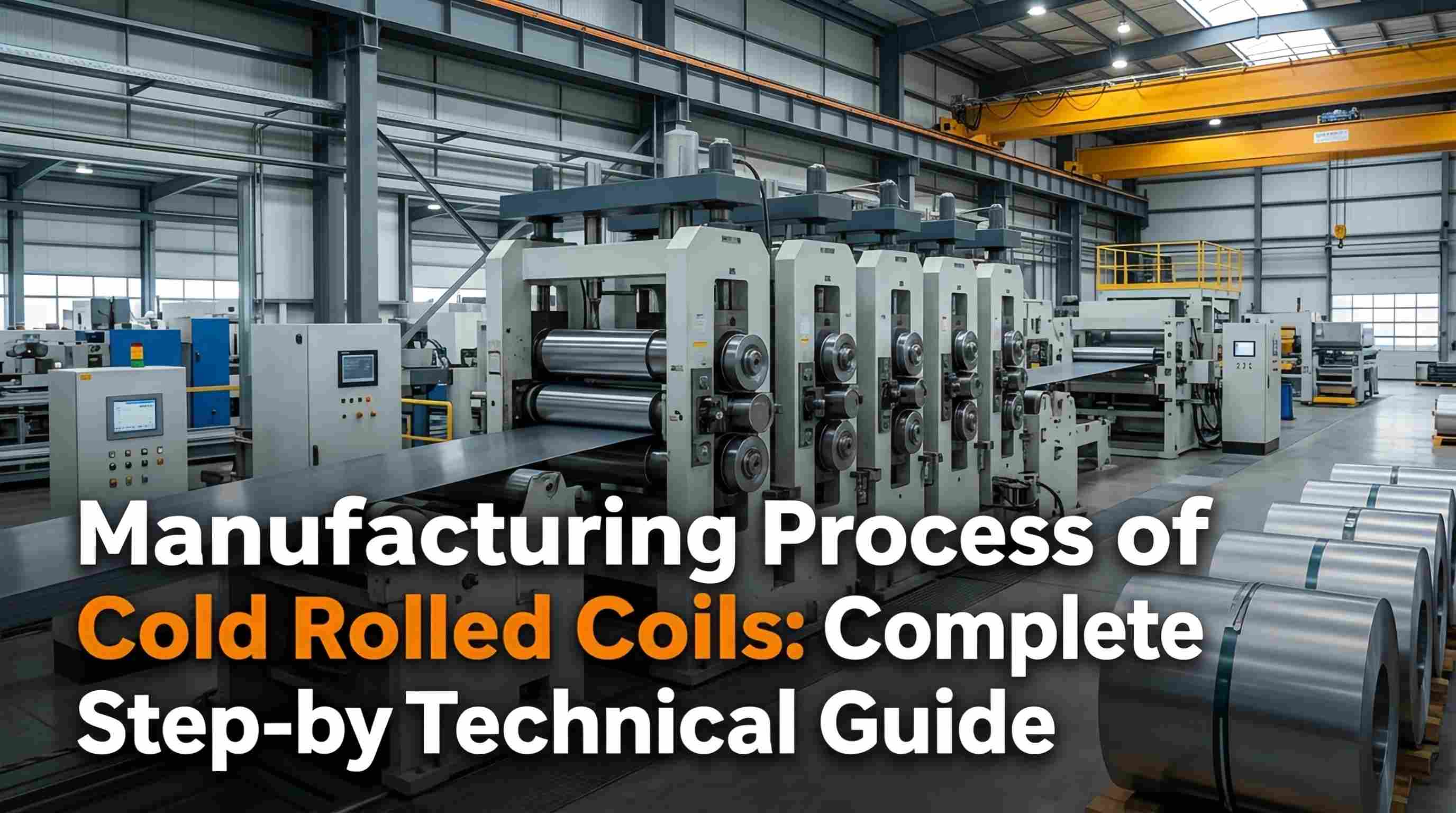
Cold rolled steel coil (CRC) serves as a fundamental steel material widely used in home appliance, automotive, hardware stamping and precision manufacturing industries. Compared with hot rolled steel coil, it features smooth surface, precise dimensional tolerance, uniform thickness and superior flatness alongside outstanding formability, satisfying the requirements for complex deep drawing, bending and stamping processes. During material selection and production, many purchasers and processing factories encounter common defects including surface flaws, stamping cracking, uneven forming and dimensional deviation, most of which stem from inadequate control over details in cold rolling production processes. This paper elaborates on the complete production workflow of cold rolled steel coils and analyzes core determinants impacting their surface quality and formability.
Cold rolling is implemented at ambient temperature with hot rolled steel coils as raw feedstock. Finished products are manufactured via a sequence of interconnected refined processes, each directly influencing final product quality. Key working procedures are specified as follows:
Qualified hot rolled steel coils are selected as base stock. Comprehensive inspection is conducted covering substrate thickness, flatness, chemical composition and surface oxidation condition. Raw materials with cracking, warping or severe oxidation are screened out to eliminate potential finished product defects at the source.
Hard oxide scale forms on the surface of hot rolled steel coils; direct rolling would scratch sheet surfaces and damage rolling rolls. Specialized pickling equipment removes surface oxide layers and rust contaminants, followed by thorough water rinsing and drying to deliver contaminant-free sheet surfaces for subsequent rolling operations.
This core working stage shapes steel substrates. Cleaned steel coils are fed into multi-stand cold rolling mills, where thickness is progressively reduced through successive rolling passes to precisely control thickness tolerance, strip profile and flatness. Cold working at room temperature induces work hardening, raising steel hardness and tensile strength while deteriorating ductility, which necessitates the subsequent annealing treatment.
Rolling oil is applied during rolling for lubrication and cooling, leaving residual grease on coil surfaces. The degreasing process thoroughly eliminates surface oil stains and particulate impurities to prevent oil carbonization, yellow discoloration and surface contamination under subsequent thermal treatment, securing consistent surface finish.
Cold rolled coils feature high hardness, poor ductility and substantial internal residual stress, prone to cracking during bending or stamping without post-treatment. Continuous annealing or batch annealing is adopted to heat, hold and cool coils uniformly, relieving internal stress and refining grain structure to restore steel ductility and toughness. Annealing constitutes the pivotal procedure governing coil formability; varied annealing temperatures and holding durations differentiate material grades including DC01, DC06 and SPCC in mechanical performance.
Annealed coils undergo light reduction via temper mills to correct strip flatness, modify mechanical properties and suppress stretcher strain during stamping. Uniform anti-rust oil is coated on sheet surfaces to prevent scratch corrosion and facilitate demoulding in downstream stamping processing.
Coils are cut into specified widths and trimmed according to customer specifications. Full finished-product inspection is implemented focusing on surface integrity, dimensional accuracy, mechanical property and flatness. Qualified coils are packaged and warehoused for delivery.
Premium cold rolled coils are defined by flawless, evenly toned surfaces free of scratches, black spots, oxidation and indentations. Four primary elements dominate surface quality performance:
Incomplete pickling leaves residual oxide scale, which gets pressed into sheets during rolling to form indentations, pits and black stains; excessive pickling triggers over-etching and coarse textured surfaces, compromising surface finish and impairing subsequent coating and electroplating performance.
Roll surface finish and wear condition stand as critical variables. Worn or built-up rolls produce periodic roll marks and scratches on steel strips. Improper regulation of rolling speed, rolling load and lubricant dosage results in oil stains, color aberration and wrinkling defects.
Insufficient degreasing leaves residual grease carbonizing under high annealing temperature to form irreversible black blemishes; impure furnace atmosphere and uneven heating during annealing induce localized oxidation, yellowing and inconsistent surface coloration.
Ambient dust, mechanical hard-object abrasion and uneven coiling pressure during handling and transportation cause scratches, dents and creases, accounting for most incidental surface imperfections of finished coils.
Formability is the core service characteristic of cold rolled coils, determining feasibility of deep drawing, bending and intricate stamping while avoiding cracking, excessive deformation and overspringback. Three decisive influencing factors are listed below:
Annealing dominates formability adjustment. Insufficient annealing temperature or inadequate holding time fails to fully release residual stress, leading to low ductility and frequent cracking in deep drawing; overheating or prolonged soaking coarsens internal grains, lowering steel strength and triggering wrinkling and abnormal deformation during fabrication. Precise annealing differentiates conventional cold rolled coils from deep-drawing grades such as DC04 and DC06.
Successive cold rolling induces work hardening. Higher reduction per pass and increased rolling passes elevate hardness and degrade ductility for inferior formability. Manufacturers tailor rolling routes per end application: full-hard coils with high hardness are limited to simple bending operations, whereas soft and deep-drawing grades with optimized process configuration deliver superior ductility for complex deep forming.
Carbon, manganese and other alloying element contents of raw steel define intrinsic ductility baseline. Uniform grain distribution after rolling and annealing is equally essential; irregular grain size creates inconsistent stress distribution across strips, causing localized fracture and asymmetric shaping during stamping and lowering production yield drastically.
Overall quality of cold rolled steel coils relies on full-process process control: surface finish is secured via refined management of pickling and rolling, while formability hinges on precise annealing and work hardening regulation. Appropriate material selection effectively cuts processing rejection rate, and stringent process supervision guarantees high-precision product specifications.
As a professional supplier, Nature Steel adheres rigorously to standardized production specifications with strict quality control covering raw material sourcing through annealing and finishing to eliminate surface defects and forming cracking. We maintain stable supply of full-spectrum premium cold rolled coils including SPCC and DC01-DC06 series featuring impeccable surface condition and superior deep drawability, fully catering to sourcing demands of home appliance, automotive and hardware industries worldwide and delivering cost-effective one-stop procurement solutions for global clients.
No. 696, Binhai 12th RoadBinhai Industrial Park, Wenzhou Economic & Technological Development ZoneWenzhou, Zhejiang Province, P.R.China
Copyright © 2026 Nature Steel Group Co., Ltd. All rights reserved. Links| Sitemap| RSS| XML| Privacy Policy