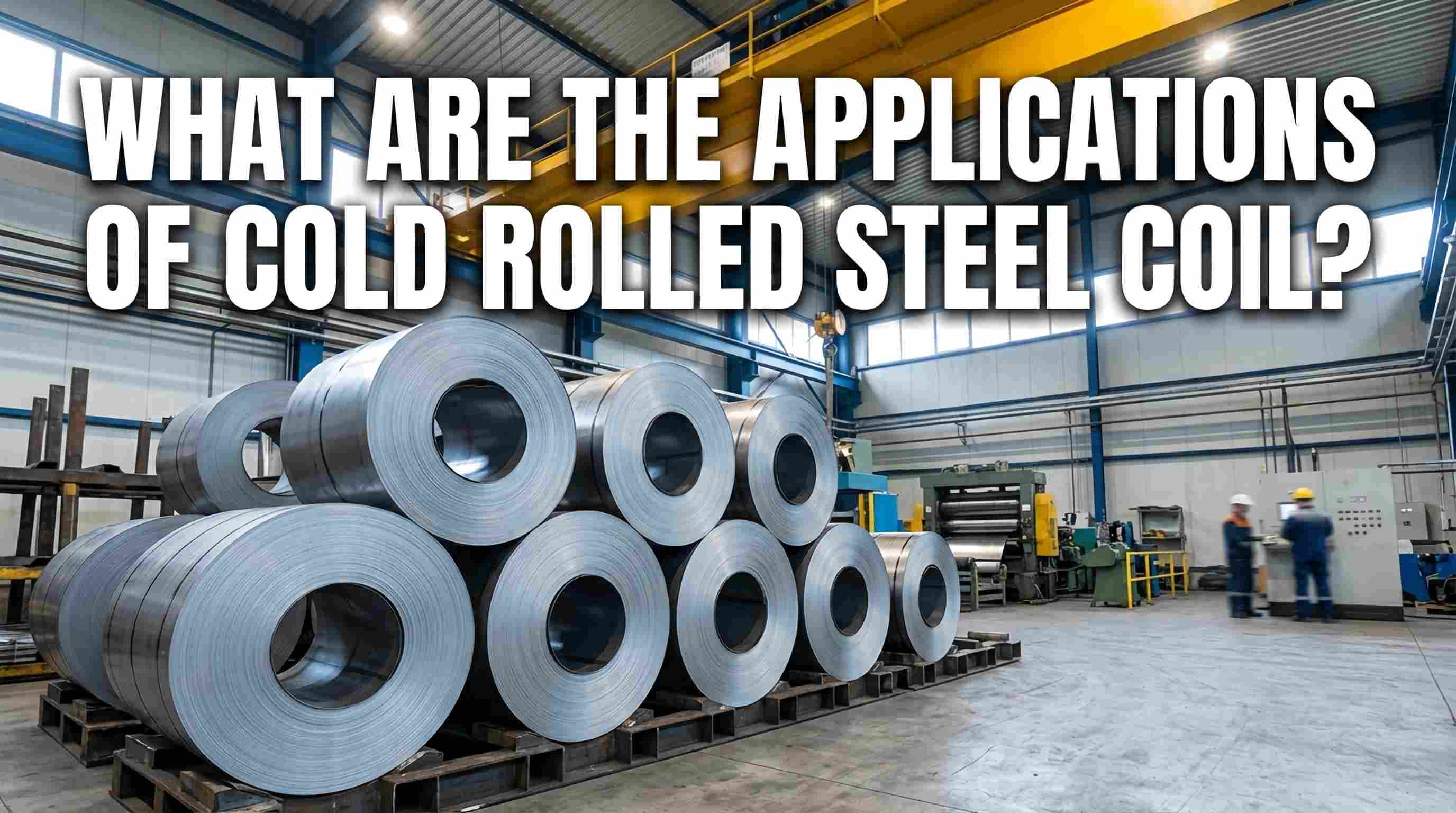
As a steel researcher, I am pleased to further expand on the application areas of cold-rolled steel coils. The reason why cold-rolled steel coils have penetrated every corner of modern industry lies in three core characteristics obtained during the room-temperature rolling process: extremely high dimensional accuracy, excellent surface finish, and enhanced mechanical strength through work hardening.
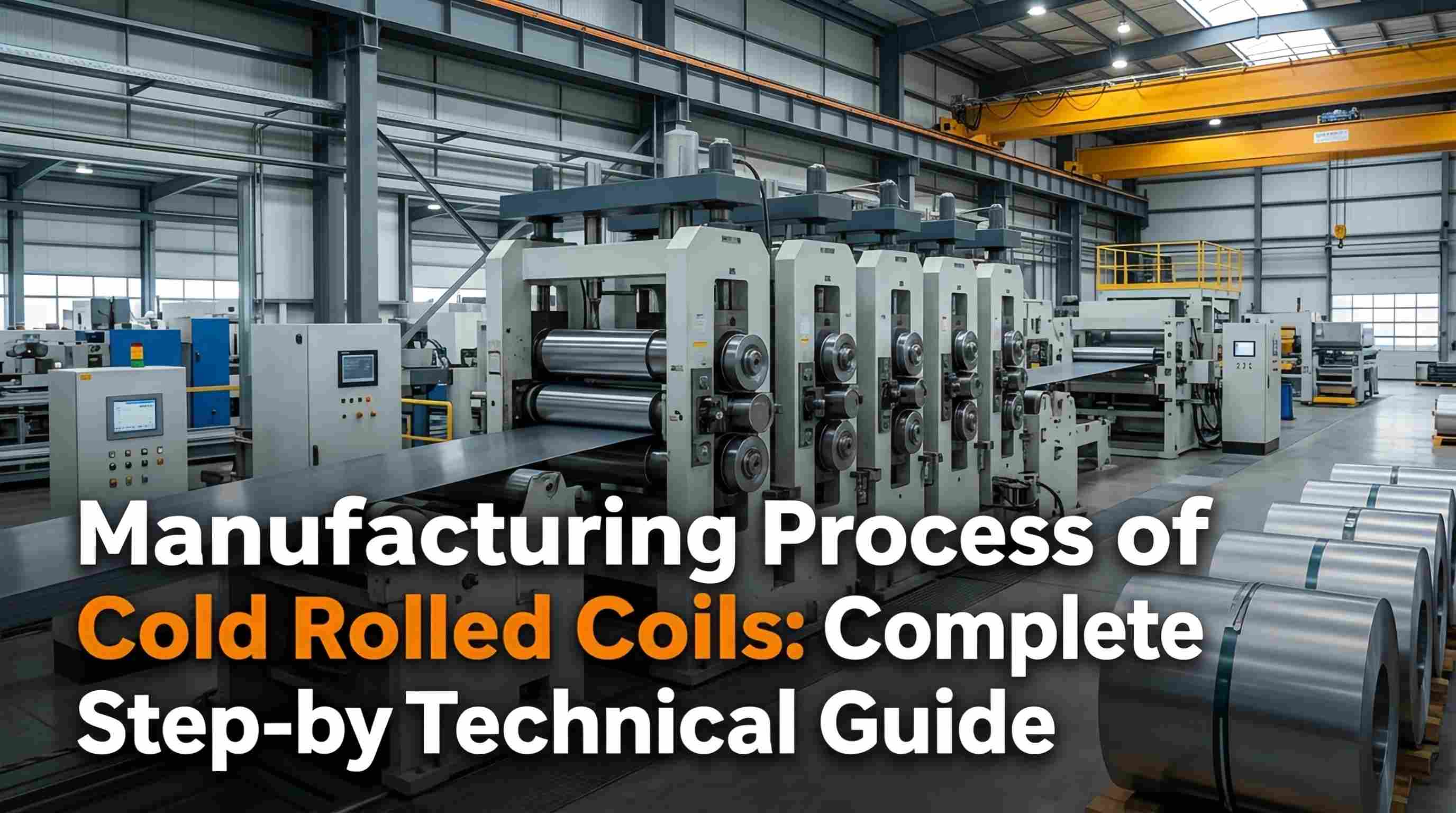
Compared with hot-rolled steel coils featuring a simple production process, cold-rolled steel coils involve a more elaborate and complex production process with multiple procedures under strict control and interlocking with each other, which directly determines the steel’s superior surface quality, dimensional accuracy and mechanical properties. Based on Nature Steel’s over 20 years of experience in steel sheet deep processing, the core standardized production process of cold-rolled steel coils can be simplified into four key procedures:
This article introduces the core features of cold-rolled steel coils and Nature Steel, a leading Chinese supplier with over 20 years of experience, ISO certification and global export services.
Cold rolled coil is steel made by cold processing hot rolled coils under normal temperature. It has smooth surface, precise size and superior mechanical performance without high-temperature oxidation flaws.
DC01 cold rolled steel coil is an essential material widely used in various industries, from automotive to home appliances. Understanding its properties, applications, and advantages can help manufacturers choose the right steel for their needs. This article explores the key aspects of DC01 steel coils, how they improve production efficiency, and why Nature Steel is a reliable supplier.
Cold Rolled High Strength Low Alloy Steel Sheet has emerged as a critical component across automotive, construction, machinery, and energy sectors due to its exceptional mechanical properties, corrosion resistance, and versatility. This steel grade integrates advanced alloy compositions with precision cold rolling techniques to achieve high tensile strength while maintaining dimensional stability.
We use cookies to offer you a better browsing experience, analyze site traffic and personalize content. By using this site, you agree to our use of cookies.Privacy Policy